
Winter Hair Care: How to Prevent Dryness and Breakage · Medyko Team

Winter hair care: How to prevent dryness and breakage

Battling the winter hair blues
Winter air pulls moisture out of your hair day after day. Picture those dry, cold winds outside and the hot indoor heating that makes your home feel like a desert for your strands. If you've been dealing with extra frizz, static, or hair that snaps too easily, you know the feeling. You're not the only one. Plenty of women across Europe, with its short days and toasty indoor spaces, run into this every season. The upside? A handful of simple changes to your routine can help you push back and keep your hair healthy and full of life. In this post, we'll cover why winter takes such a toll on hair and give you straightforward ways to shield it, based on what helps so many women in the same boat.
Why winter damages hair
Winter has that magical vibe with snow and hot drinks, but it really does a number on your hair. The main troublemakers are the dry air, heating inside, static from friction, and those wool hats we can't resist. Out in the cold, low-humidity air dries out your hair shafts, leaving them brittle and prone to breaking. Step indoors, and the heated air gets even drier, usually under 30% humidity, which wipes out your hair's natural oils even quicker.
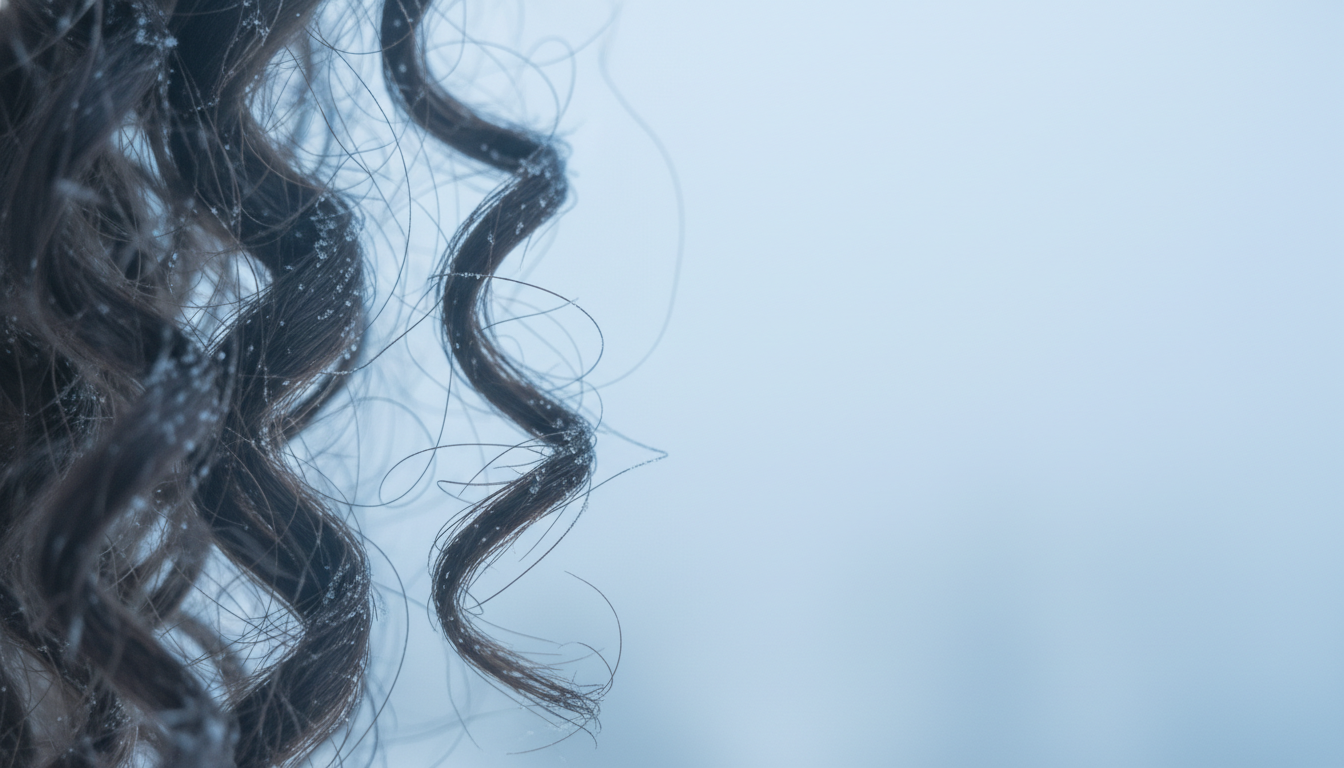
Static kicks in from rubbing against scarves and hats, creating flyaways and those annoying shocks when you brush. Hats hold in heat and sweat, flattening your style and sometimes irritating your scalp. From what we've heard, women start seeing more shedding and dullness around November, particularly in European spots with damp cold outside and bone-dry indoors. The bright side is knowing what's going on lets you tackle it head-on. Check your hair right now: run your fingers through it. If it feels rough or breaks easily, it's calling for some winter care. Zero in on hydration and protection to cut down on damage and hold onto that natural bounce.
Indoor heating problem
Indoor heating problem:
That warm radiator or central heating system? It quietly dries out your hair. The dry air from heaters pulls moisture from the room and your strands, resulting in frizz and split ends. So many women tell us their hair turns to straw by the middle of winter.
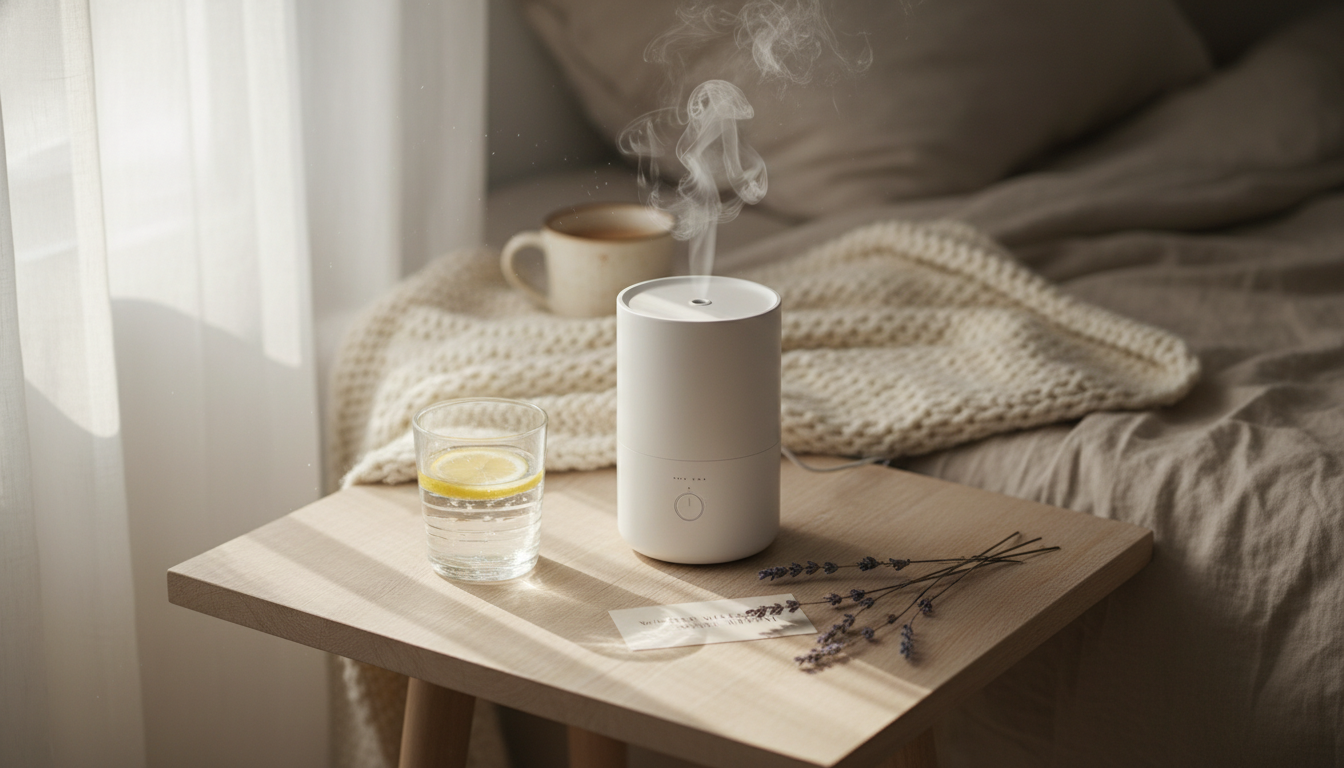
To push back, add some humidity to the air. A basic humidifier in your bedroom overnight can change everything. Shoot for 40-50% humidity. We've watched it turn scratchy mornings into much smoother starts. Keep it close to your bed and use distilled water so minerals don't build up.
Don't skip hydration from the inside: aim for at least eight glasses of water a day. Herbal teas work too, perfect for those chilly short days when you want something warm. Add a quick scalp massage with your fingertips during shampooing to get blood flowing and help hold onto moisture. For more on this technique, check out our post on scalp massage for hair growth. In tight-sealed European homes during cold spells, these moves stop that tight, itchy scalp sensation. Your hair will show its thanks with fewer breaks and more shine over time.
Static electricity solutions
Static electricity solutions:
Static zaps and flyaways can wreck a smooth blowout, especially with all those winter layers rubbing against your hair. Dry air makes it worse, sending strands everywhere.
Try an anti-static spray first. Mist it on your brush before you style, or give the roots a light spritz for hold without any greasiness. A hairspray with humectants does the trick too; spray it from about 10 inches away to skip buildup.
Ditch plastic combs for metal or wooden ones. They cut down on friction and that static buildup. Women we've talked to say just changing tools stops most of those shocking surprises.
For nights, switch to a silk or satin pillowcase. It cuts friction while you sleep and means fewer tangles in the morning. For more tips on protecting your hair overnight, see our guide on how to protect hair at night. Before you style, touch a metal faucet to zap static from your body. These fixes make a real difference in the staticky European winters full of wool coats and scarves. Your hair ends up smoother and easier to manage all day long.
Deep conditioning schedule
Deep conditioning schedule:
Your hair needs more moisture in winter, so step up the conditioning. Every two weeks might work other times of year, but in winter, do it weekly to replace what the dry air takes.
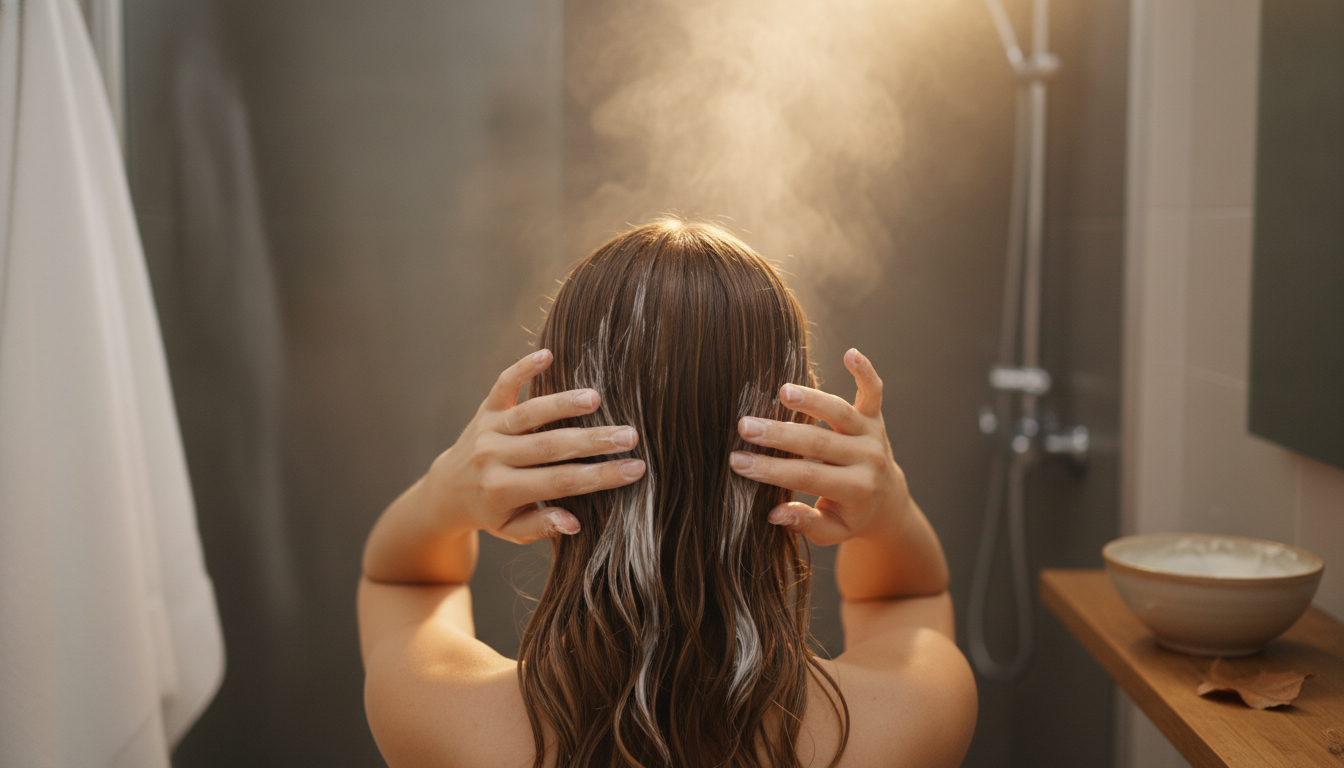
Go for a thick, creamy conditioner or mask with shea butter or aloe. After shampoo, put it on generously from mid-lengths to ends. Wrap your hair in a warm towel for 20-30 minutes. The warmth helps it soak in better. Lots of women say this turns dry, thirsty hair into soft waves.
For everyday help, grab a leave-in conditioner. A pea-sized dab on damp hair locks in hydration without making it heavy. Pick Sundays for your mask time, like a little self-care after wearing hats all weekend. If your scalp's dry, work a bit into the roots gently. This plan keeps strands flexible to avoid breakage. Even on rushed winter mornings with shorter days, these steps slot in easily and leave you with tough, touchable hair.
Hair oils for winter
Hair oils for winter:
Oils become your go-to in winter. They lock in moisture and create a shield against the rough air. During cold months, pick heavier options like argan or coconut that sink in deep but don't feel oily.
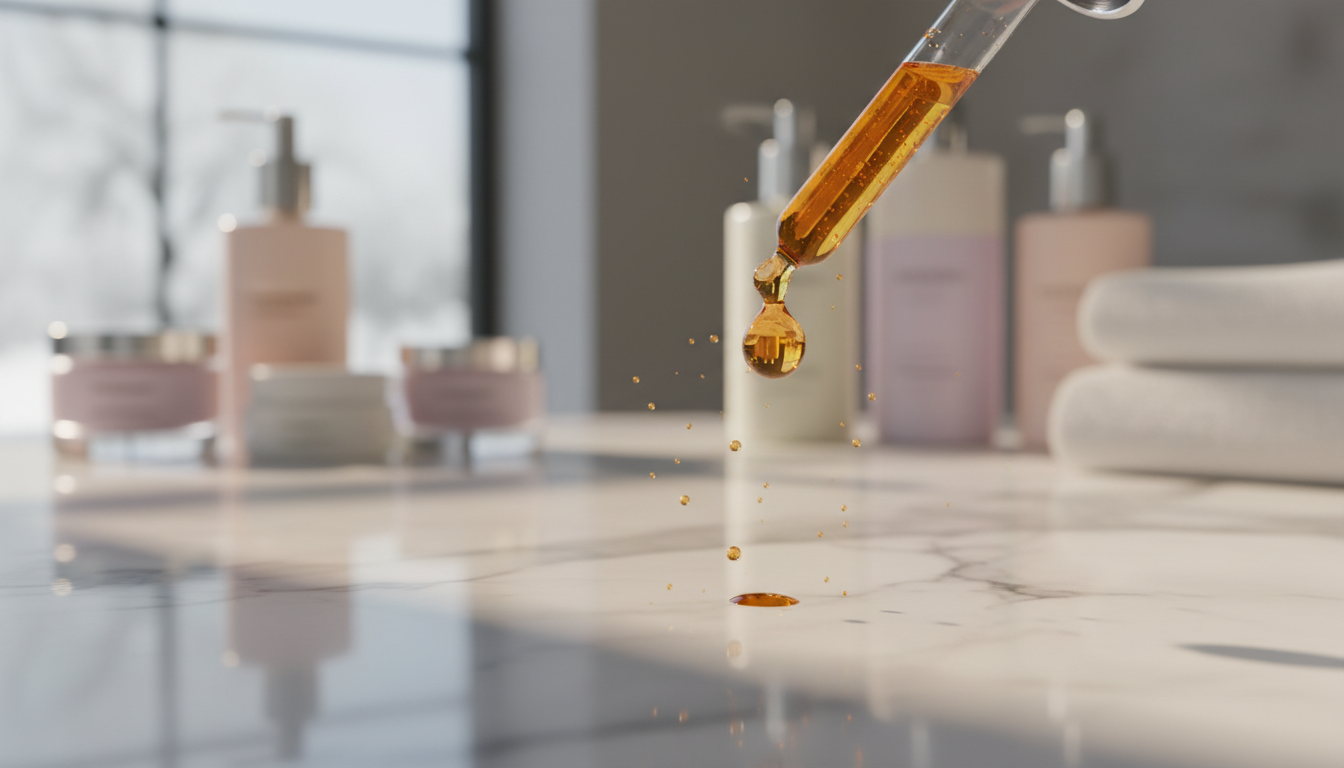
Put 2-3 drops in your palms, rub them together, and work it into the ends where breakage shows up most. Skip the roots to avoid greasiness. Do it on damp hair right after washing for the best hold, or try it overnight before bed. Cover with a shower cap to keep your pillow clean.
Argan oil smooths frizz for many, and coconut brings out shine. If your hair's color-treated, these feed it without washing out the color. In European winters when indoor dryness hits hard, oils smooth out that rough feel. Start with a small amount to match your hair type. Fine hair may need just a touch. This easy habit can cut split ends in half, from what we've seen in everyday routines.
📊 Not sure what's causing your hair concerns?
Take our 2-minute hair analysis quiz to get personalized product recommendations based on your unique hair type, scalp condition, and lifestyle.
Start your free hair analysis →
Hat hair prevention
Hat hair prevention:
Hats keep you warm, but they squash and frizz your style. Line your beanies with silk to lower friction and static, so you keep some volume.
Don't put on a hat with wet hair. Let it dry first to skip creases. Before you go out, try loose braids or twists in sections for bounce that lasts. When you get inside, ease the hat off without yanking. Pat the sides to fluff it back up.
After taking it off, use dry shampoo to refresh. Spritz the roots and massage it in for quick lift. Women in rainy European spots rely on this to hold styles during commutes. These tips stop the helmet-head vibe and cut breakage from pulling. Your hair stays fuller and less worn out over time.
Avoid over-washing in winter
Avoid over-washing in winter:
Cold weather cuts down on scalp oil, so washing every day strips away the little you produce. If you can, go every other day or just three times a week.
Pick a gentle, moisturizing shampoo with glycerin or similar. Lather it up lightly and rinse with lukewarm water to keep oils in place. Always follow with conditioner. For more guidance on washing frequency, take a look at our article on how often to wash hair.
On off days, brush with a boar-bristle one to spread oils from roots to ends. This leads to less dryness for most, especially in those dry indoor European setups. Dry shampoo stretches styles without gunk. It balances your scalp, eases itchiness, and supports better growth.
Scalp dryness vs dandruff
Scalp dryness vs dandruff:
Winter flakes trip up a lot of women. Dryness? Or dandruff? Dryness means small, white powdery bits from missing moisture. Dandruff comes with bigger, yellowish oily chunks and itch.
For dryness, massage in hydrating oils or serums 2-3 times a week. Skip strong anti-dandruff shampoos, since they can make it worse. True dandruff might need zinc pyrithione, but talk to someone if it sticks around.
Cold weather brings more dryness thanks to the heating. Drink up omega-rich foods like salmon for inside help. Basic scalp care clears up most winter flakes fast and avoids extra irritation.
Transition to spring (March)
Transition to spring (March):
When March rolls in, shift away from winter habits. Use a clarifying shampoo once a week at most to clear heavy product buildup without drying out.
Snip off dead ends. A quarter-inch trim stops breakage from carrying into spring. Move to lighter oils and conditioners as the air gets more humid.
Add growth serums like Medyko's Grow & Glow to feed follicles after winter wear. This shift keeps hair lively as days get longer in Europe, mixing protection with fresh starts for smooth seasonal care.
Winter hair care product essentials
Winter hair care product essentials:
Build a kit of basics to handle winter issues. A humidifier, around €30-50, puts moisture back in dry rooms. It's key for recovery while you sleep.
Get a deep conditioning mask for weekly sessions, one with natural butters. An anti-static spray stops flyaways clean.
Think about a silk-lined hat to ease friction. For extra help, Medyko's Grow & Glow Serum uses peptides to support follicle health in dry winter air, building strength and gentle growth. All these under €100 pack real protection. Choose ones that do double duty to keep your routine simple while your hair stays hydrated and tough.
Frequently asked questions
Why does my hair get so dry in winter?
Winter's low humidity and indoor heating pull natural oils from your hair and scalp, causing dryness. Wind makes it worse for many. Fight back with humidifiers and weekly moisturizing products. Hydration inside and out brings balance back fast.
How often should I deep condition in winter?
Do it weekly to replace moisture the dry air takes. Put it on after shampoo, leave for 20 minutes under a warm towel, then rinse. This fits most schedules and stops brittleness.
What's the best way to deal with static hair?
Anti-static sprays or wooden combs cut friction. A silk pillowcase at night helps. These changes reduce zaps and flyaways in winter layers. Give them a shot for easier days.
Can hats really damage my hair?
Tight hats create friction and trap moisture, which can break hair. Choose silk-lined and skip wet hair underneath. Dry shampoo after adds volume without issues.
How do I tell if my flakes are dryness or dandruff?
Dryness flakes are small and white. Dandruff's oily and yellow. Use oils for dryness, medicated shampoos for dandruff. Winter dryness is common, so hydrate your scalp daily to sort it out.
Should I wash my hair less in winter?
Yes, drop to 2-3 times a week. Cold slows oil production. Gentle, hydrating shampoos preserve moisture. Hair often feels better this way.
What oils are good for winter hair?
Argan or coconut work well to seal moisture. Put them on ends daily or overnight. They handle frizz in dry weather. A few drops keep it from getting greasy.
How can I prevent breakage from winter dryness?
Hydrate: drink water, add leave-in conditioners, skip heat tools. Weekly masks build strength. Steady care makes strands tougher against snaps.
When should I transition my routine to spring?
Start in March with clarifying to clear buildup and lighter products. Trim ends and try growth serums. It smooths the shift to warmer days.
Are humidifiers worth it for hair?
Yes, they raise humidity to 40-50% and stop moisture loss. Run one in your bedroom at night. Women see softer hair in weeks. It's a smart buy for hydration.
Can winter affect hair growth?
Dryness stresses follicles and can slow things a bit. Gentle care and nourishing serums keep it steady. Protection helps regrowth stay on track.
What if my scalp itches in winter?
Probably dryness from heating. Massage in oils or aloe products. Don't scratch. If it lasts, check for dandruff. Hydration usually calms it quick.
Key takeaways
- Use a humidifier and drink more water to fight indoor dryness from heating.
- Switch to weekly deep conditioning and daily leave-ins for extra moisture.
- Opt for silk pillowcases and anti-static tools to tame winter static.
- Apply heavier oils like argan to ends, avoiding roots, for protection.
- Wear silk-lined hats and refresh with dry shampoo to prevent hat hair.
- Reduce washing to 2-3 times weekly with gentle, hydrating shampoos.
- Distinguish scalp dryness from dandruff and treat accordingly for relief.