
The Perfect Hair Washing Technique (Step-by-Step) · Medyko Team

The perfect hair washing technique: How to wash hair properly step-by-step

You've been washing your hair wrong your entire life – here's the right way
Hey there, if you're like most women I talk to, you might think washing your hair is straightforward: lather, rinse, repeat. But in my years helping women with hair concerns, I've seen how a poor washing technique can lead to buildup, breakage, and even slow growth. Most of us have been doing it wrong without realizing it, which damages our scalp and strands. The good news is that switching to the proper hair washing technique can make your hair feel healthier, look shinier, and help it absorb treatments like our Medyko Grow & Glow Serum better. In this guide, I'll walk you through a simple, step-by-step routine based on what really works in everyday life. No fancy tools needed. Let's get your hair washing game on point.
Why technique matters more than products
When it comes to hair health, many women focus on buying the 'best' shampoo or conditioner, but here's a little secret from my experience: your washing technique often beats the product itself. I've chatted with countless women who switched to high-end products yet still dealt with dull, limp hair or scalp issues. Why? Because how you apply and rinse those products determines if they actually work or just sit on the surface.
Think about it. A gentle, mindful wash cleanses without stripping natural oils, which keeps your scalp balanced and your hair strong. Poor technique, like scrubbing too hard or using hot water, can irritate the scalp, cause breakage, and even lead to more shedding. Studies suggest that consistent proper washing can support healthier follicles over time, but it's the everyday habits that make the difference. For more on building a solid foundation, check out our guide on the ultimate hair care routine for healthy hair growth.
In my practice, women who nail the basics, like massaging the scalp properly, often notice less buildup and softer hair within weeks. It's not about miracles. It's about consistency. Products can help, but if your method is off, you're fighting an uphill battle. Ready to see how small changes add up? Let's start from the beginning of your routine.
Pre-wash prep
Brush or detangle before shower
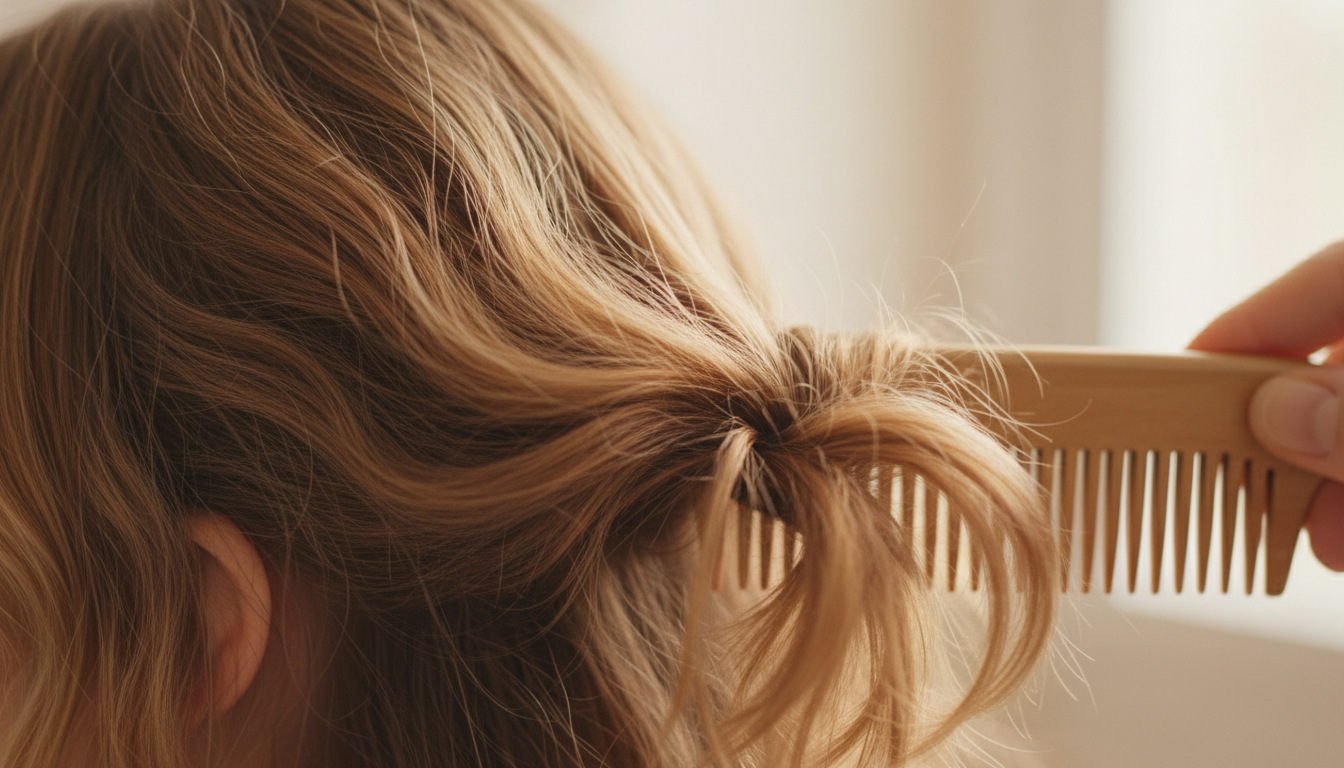
Before you even step into the shower, give your hair a gentle once-over. Many women skip this, but detangling dry hair with a wide-tooth comb removes knots and loose strands, making the wash smoother and reducing breakage. Start from the ends and work up to the roots. Never yank from the top. This simple step, which takes just 1-2 minutes, prevents tangles from worsening in wet hair, where it's more fragile. For tips on doing this without damage, see our post on how to detangle hair without breakage.
Rinse thoroughly with water first (1 minute)
Once in the shower, don't rush to shampoo. Let lukewarm water run over your hair for at least a full minute. This loosens dirt, oil, and product buildup without the shampoo, prepping your scalp for better cleansing. In my experience, women who do this notice their shampoo lathers better and rinses cleaner, meaning less residue left behind. It's a small habit that can make your whole wash more effective and gentle on your strands.
Water temperature
Lukewarm (not hot!) for scalp health
Water temperature might seem minor, but it's a game-changer in how to wash hair properly. Stick to lukewarm water throughout your routine. It's warm enough to open the hair cuticle for cleaning but not so hot that it strips essential oils. Hot showers feel great, but they can dry out your scalp, leading to itchiness and flakiness that many women complain about.
Why hot water damages
From what I've seen, hot water is one of the biggest culprits behind brittle ends and scalp irritation. It weakens the hair shaft, making it prone to breakage, and can exacerbate issues like dandruff or oil overproduction as your scalp tries to compensate. Research has shown that excessive heat exposure during washing can contribute to cumulative damage over time. Opt for lukewarm instead, and finish with cooler water if you can. It helps close the cuticle for smoother, shinier hair. Women who've made this switch often tell me their hair feels softer right away, with less frizz on wash days.
Shampoo application technique
Amount needed (quarter-size for short, nickel for long)
Less is more when it comes to shampoo. For shorter hair, a quarter-sized dollop is plenty. For longer locks, go with a nickel-sized amount. Overdoing it leads to residue and dryness, which I've seen trip up so many routines.
Apply to scalp only (not ends)
Focus the shampoo on your scalp. That's where oil and dirt build up most. Your ends get enough moisture from conditioner, so sudsing them can dry them out.
Massage technique (fingertips, not nails)
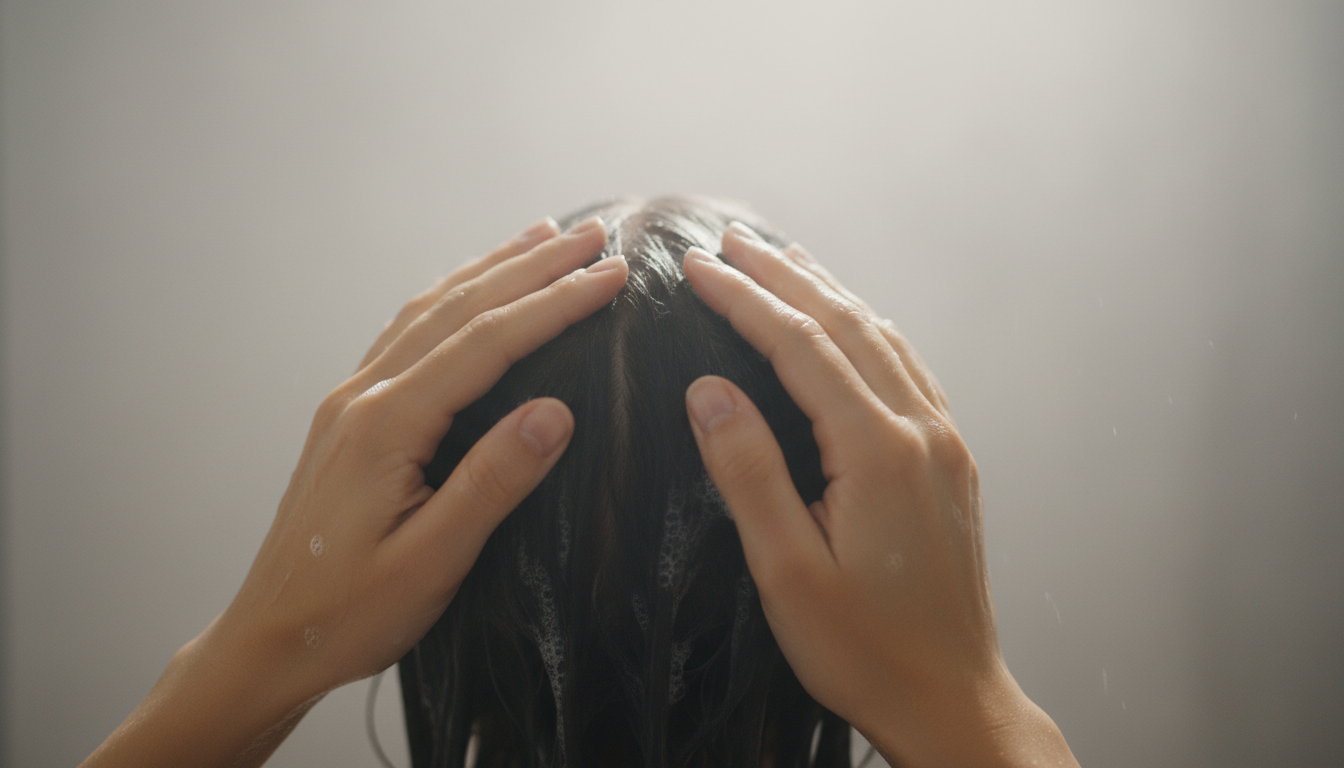
Use your fingertips to massage in gentle circular motions, avoiding nails which can scratch and irritate. This boosts circulation, helping nutrients reach follicles. It's a tip that often helps women with thinning spots.
How long to shampoo (2-3 minutes minimum)
Take your time: massage for at least 2-3 minutes. Circular motions stimulate blood flow, supporting healthier hair growth. In practice, this step alone can make your scalp feel cleaner and more balanced without harsh scrubbing. Curious about the benefits of scalp stimulation? Read more in our article on scalp massage for hair growth.
Rinsing shampoo
Rinse thoroughly (1-2 minutes)
After massaging, rinse for a full 1-2 minutes under lukewarm water. Tilt your head back and let the water flow from roots to ends. This ensures every bit of shampoo is gone.
Until water runs clear
Keep going until the water running off your hair is clear, not sudsy. Cloudy water means residue is lingering, which can weigh hair down or cause itchiness.
Leftover shampoo = buildup
In my experience, incomplete rinsing is a top reason for scalp problems like flakiness or greasiness later on. Leftover shampoo creates buildup that blocks follicles, making it harder for hair to thrive. Women who rinse mindfully often report their hair feels lighter and absorbs treatments better. Think of it as clearing the way for products like the Medyko Grow & Glow Serum to work their magic on a clean scalp.
📊 Not sure what's causing your hair concerns?
Take our 2-minute Hair Analysis Quiz to get personalized product recommendations based on your unique hair type, scalp condition, and lifestyle.
Start your free hair analysis →
Conditioner application
Amount needed
Use about a dime-sized amount for most hair lengths. Adjust up slightly for very long or thick hair. Too much can make strands limp, while too little leaves them dry.
Mid-length to ends only (avoid scalp)
Apply from mid-lengths down to the ends, steering clear of the scalp. Conditioner is meant to hydrate and smooth the hair shaft, not weigh down roots where oil builds naturally.
How long to leave (3-5 minutes)
Let it sit for 3-5 minutes while you shave or relax. This gives it time to penetrate, softening strands without over-moisturizing.
Detangle while conditioner is in
Gently comb through with a wide-tooth comb now. Wet, conditioned hair detangles easily, reducing breakage. Many women find this step transforms their post-wash hair from tangled mess to smooth silk.
Rinsing conditioner
Cool water final rinse (seals cuticle)
Switch to cooler water for the last rinse. It seals the hair cuticle, locking in moisture and adding shine. Warm water opens cuticles for absorption, but cool closes them for protection.
Rinse until hair 'squeaks' (mostly out, some remains)
Rinse well, but not completely. You want hair to feel 'squeaky' clean yet slightly slippery. This means most conditioner is out, but a light film remains to protect against dryness. From what I've observed, over-rinsing strips benefits, leaving hair rough, while under-rinsing can feel greasy. Aim for that balanced squeak, and you'll notice softer, more manageable hair that holds styles better.
Post-wash care
Don't rub with towel (squeeze gently)
Resist the urge to rub. It causes friction and frizz. Instead, gently squeeze excess water from roots to ends with your hands.
Use t-shirt or microfiber towel
Wrap your hair in an old t-shirt or microfiber towel for 10-20 minutes to absorb water without rough fibers. Cotton towels snag wet strands, leading to breakage that many women don't connect to their routine.
Apply leave-in products while damp
Once damp (not dripping), spritz on a leave-in conditioner or serum. Damp hair absorbs better, protecting against environmental damage. In my chats with clients, this step keeps color-treated hair vibrant longer and supports overall health. Especially when paired with a clean scalp for optimal results.
How often to double shampoo (clarifying)
Double shampooing isn't for every wash. It can strip too much if overdone. Reserve it for clarifying once a week or every other wash, especially if you use styling products or have an oily scalp.
Start with your regular shampoo to loosen debris, then follow with a clarifying one (or the same if it's gentle). Massage the second round for 1-2 minutes, focusing on the scalp. Rinse thoroughly to avoid residue.
Many women I know with buildup from dry shampoo or gels find this refreshes their hair without dryness. But if your hair feels tight afterward, dial it back. Listen to your strands. For fine or processed hair, stick to single shampoos to preserve moisture. Done right, it clears the way for better growth, but overdoing it can irritate.
Common washing mistakes
Even with good intentions, little slip-ups can sabotage your hair. Here's what to watch for:
-
Using hot water religiously: It feels soothing but dries out your scalp, leading to overproduction of oil and potential shedding. Switch to lukewarm for a healthier balance.
-
Scrubbing like you're cleaning a pot: Harsh rubbing tangles and breaks strands. Gentle massaging is key.
-
Not rinsing enough: Leftover product causes buildup, itching, and dullness. Always check for clear water.
-
Conditioning the roots: It weighs hair down and can make it greasy faster. Focus on lengths and ends.
-
Rough drying: Rubbing with a regular towel creates frizz and split ends. Squeeze and air-dry when possible.
In my experience, avoiding these turns 'bad hair days' into manageable ones. Women who correct them often see less breakage and more shine within a month. It's all about gentle, consistent care.
Frequently asked questions
How often should I wash my hair properly?
It depends on your hair type. Oily scalps may need washing every 2-3 days, while dry or curly hair can go 4-7 days. The key is listening to your scalp: if it's itchy or greasy, wash sooner. Over-washing strips oils, so aim for balance to support health.
Can washing technique really affect hair growth?
Yes, a proper technique cleanses the scalp without irritation, improving circulation and allowing better absorption of growth-supporting products. Many women notice less shedding when they massage gently and rinse well, as it prevents buildup that clogs follicles.
What's the best water temperature for washing hair?
Lukewarm is ideal. Warm enough to cleanse but not hot, which can damage. Finish with cool water to seal the cuticle. This gentle approach keeps hair hydrated and scalp calm, reducing common issues like dryness or flakiness.
Do I need to double shampoo every time?
No, only once a week for clarifying if you have buildup from products. Daily double washes can dry out hair. Use a single, thorough shampoo most days for a clean, balanced scalp without stripping natural moisture.
Why does my hair feel dry after washing?
It could be hot water, over-shampooing, or not conditioning enough. Try lukewarm rinses, focus conditioner on ends, and leave it in for 3-5 minutes. Gentle detangling while conditioned helps too. Many find this restores softness quickly.
Is it okay to wash hair daily?
For some with fine or oily hair, yes, but use a gentle shampoo and focus on scalp. Dry or thick hair benefits from less frequent washes to retain oils. Experiment to see what keeps your hair feeling healthy without excess oil.
How do I know if I'm rinsing shampoo out completely?
Run your fingers through your hair. It should feel smooth, not slippery with suds. Rinse until water is clear, about 1-2 minutes. Incomplete rinsing leads to buildup, so take your time for cleaner, happier hair.
Can conditioner cause hair loss?
Not directly, but applying it to the scalp can clog pores if not rinsed well. Stick to mid-lengths and ends, and rinse with cool water. Proper use hydrates without weighing down, supporting overall strand strength.
What's the best way to dry hair after washing?
Gently squeeze with a microfiber towel or t-shirt, then air-dry or diffuse on low heat. Avoid rubbing to prevent frizz and breakage. This method preserves moisture and keeps hair smoother longer.
Should I brush wet hair?
Gently detangle with a wide-tooth comb while conditioned, but avoid brushing vigorously when fully wet. It's prone to snapping. Pat dry first if needed. This minimizes damage and keeps your routine gentle.
How does a clean scalp help with hair products?
A properly washed scalp is free of buildup, so serums like Medyko Grow & Glow absorb better, reaching follicles effectively. It can enhance results, helping with growth and health over time.
What if my water is hard – does it affect washing?
Hard water with minerals can leave residue, making hair dull. Rinse longer and consider a clarifying shampoo weekly. Some women add a vinegar rinse monthly for softness, but test a small section first.
Key takeaways
- Prep by detangling dry hair and rinsing with water first to loosen dirt gently.
- Use lukewarm water and massage shampoo into the scalp only for 2-3 minutes to boost circulation.
- Rinse shampoo until water runs clear, then apply conditioner to ends for 3-5 minutes while detangling.
- Finish with a cool rinse to seal moisture, and squeeze-dry with a microfiber towel instead of rubbing.
- Double shampoo only weekly for clarifying to avoid stripping natural oils.
- Avoid common mistakes like hot water and rough handling to reduce breakage and buildup.
- A clean scalp from proper washing improves absorption of treatments for healthier hair.