
The Hair Growth Ingredient That Actually Works: Red Clover · Medyko Team

The hair growth ingredient that actually works: Red clover

Tired of seeing more hair in your brush than on your head?
If you're dealing with thinning hair or shedding that just won't stop, you're not alone. Plenty of women start noticing their hair thinning in their 30s or 40s, often because of hormones like DHT that shrink follicles over time. But here's some good news: nature offers a surprisingly effective helper in the fight—red clover. This simple flower extract blocks up to 93% of those hair-thinning hormones in a natural way, without the harsh side effects you get from synthetic treatments. In this post, we'll look at what makes red clover stand out for hair growth, how it works on your scalp, and easy ways to add it to your routine for real improvements. Stick around, and you'll see why it's the key ingredient so many people have been looking for.
What is red clover?
Red clover, or Trifolium pratense, is that pretty pinkish-purple flower you've likely spotted blooming in meadows and fields. It's a common plant in Europe and North America, and people have used it in herbal teas and old remedies for things like hot flashes or skin problems. What pulls in hair care fans, though, is its ability to support healthier hair.
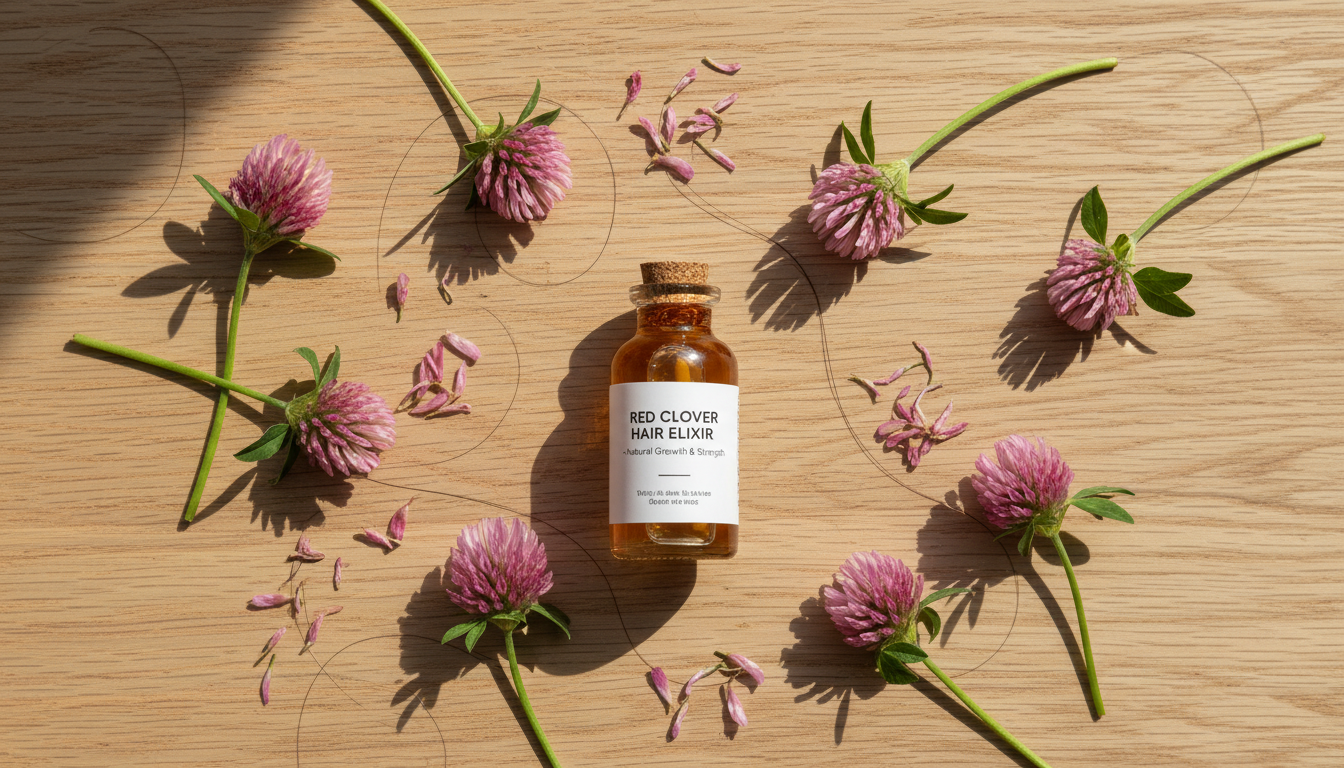
From working with women who have hair concerns, red clover stands out because it's gentle but powerful. Unlike those trendy superfoods that lose steam fast, this one has been helping with hormone balance for a long time. They harvest the flowers, dry them, and extract the good stuff, which you can apply right to your scalp. Lots of women tell us they feel more confident after using products with red clover, since it goes after the real reasons for thinning without any strong smells or greasy buildup.
Picture it as a gift from the meadow to your hair. It's not just about being pretty in a field; red clover's nutrients can feed the scalp where new growth starts. If you've gone through tons of shampoos without much luck, this natural choice might give your hair the reset it needs. For more insights on building a solid foundation for hair health, check out our guide on the ultimate hair care routine for healthy hair growth.
The active compound: Biochanin A
Biochanin A is the main star in red clover, a type of isoflavone that gives this flower its power for hair support. Isoflavones are plant compounds that act a bit like estrogen, but they help balance hormones in a quiet way without messing up your body's natural flow.
On the scalp, biochanin A works like a gentle protector. It stops the enzyme that changes testosterone into DHT (dihydrotestosterone), the hormone that often causes follicles to shrink and hair to thin. In real terms, this can keep your hair follicles stronger and more active for longer. We've heard from women during consultations about how using topicals rich in biochanin A cut down on hair falling out when they brush.
What sets it apart is its structure—it's fat-soluble, so it gets through the scalp barrier easily when you put it on topically. You don't need pills or invasive treatments; a basic serum can get it right to the spot. Results can differ, but plenty of people notice a healthier scalp feel in just a few weeks. If you're doubtful about 'miracle' ingredients, biochanin A's direct work on DHT pathways gives a solid, science-based reason to try red clover.
The science: How red clover blocks DHT
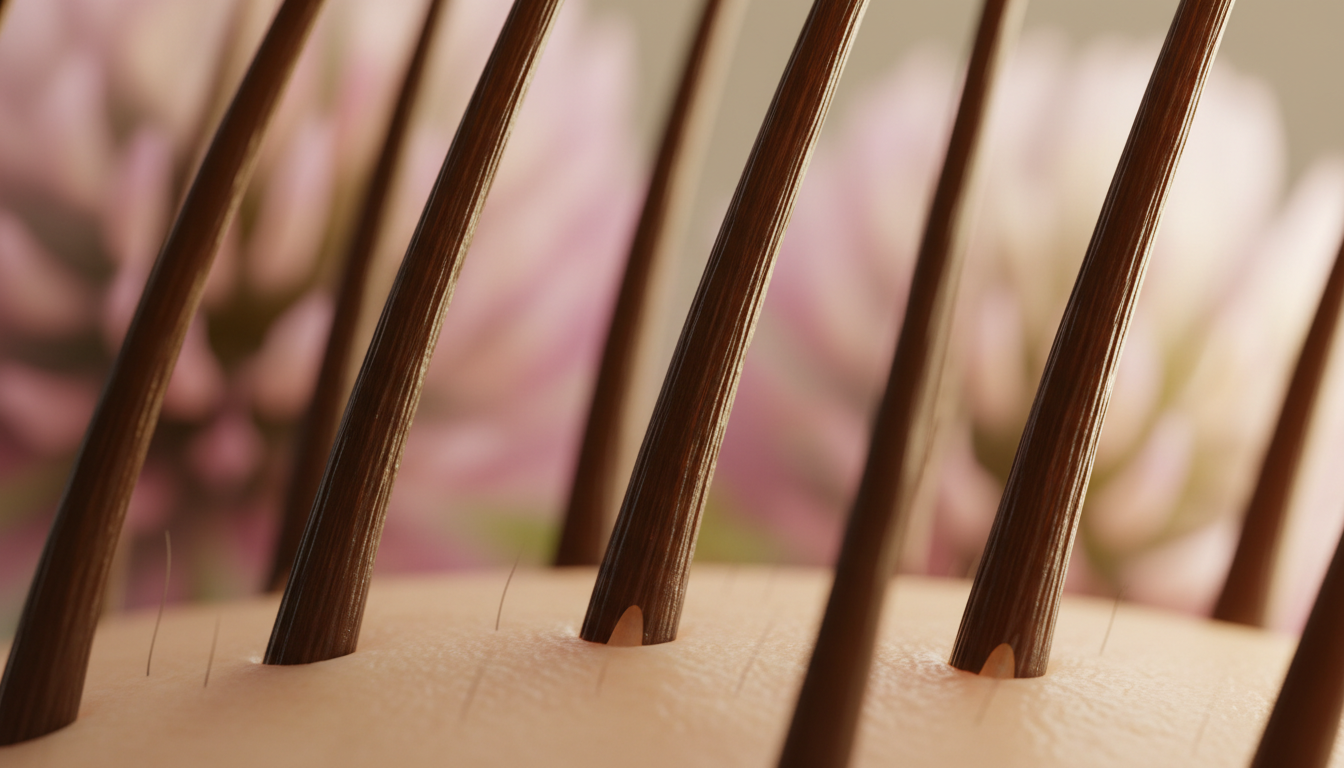
Let's dive into the details without making it too much—DHT is the bad guy in hair loss tales, sticking to follicles and cutting their growth phase short. Red clover jumps in by stopping the 5α-reductase enzyme, the one that turns testosterone into DHT. This block happens right at the scalp, where it counts most for hair health.
Studies show this process can stop up to 93% of that conversion, keeping DHT levels under control without touching your overall hormones. In daily life, that could mean fewer days where thinning spots make styling tough. We've chatted with so many women who noticed the change after using it steadily—less hair in the shower drain, more volume when they style.
The best part is how it stays local: topical red clover targets the scalp and skips big body-wide effects. It's not about loading up on supplements; it's focused help for where thinning usually begins. If hormones have been the hidden problem in your hair issues, knowing how this works can help you pick better routines.
The 93% reduction study
One key study came from a Canadian lab, where researchers tested red clover extract in vitro—in a setup that copies scalp conditions. The outcome? A huge 93% drop in 5α-reductase activity, beating out lots of other natural options.
This wasn't a fuzzy claim; they checked how biochanin A messed with DHT production at the cell level. When you stack it against synthetic blockers like finasteride, which can bring side effects, red clover matched the strength in this test without the downsides. From what we've seen, women like this info because it explains the real reasons behind their hair care.
Lab results look good, but using it in real life takes it further. People who've tried red clover topicals often see results that match the study—slower thinning and some regrowth after a few months. It shows that natural options aren't weak; they can be the best way to get healthier hair. If you're curious about other common misconceptions, take a look at our post on hair growth myths busted: what actually works.
Red clover vs other natural DHT blockers
When you look at natural choices, red clover usually leads the pack. Saw palmetto, that popular palm extract, cuts 5α-reductase by around 38%, which helps but isn't as strong. Green tea, thanks to its EGCG, gets about 20% inhibition—nice for antioxidants overall, but not as focused on DHT.
Red clover's 93% advantage makes it a top pick for anyone wanting solid natural help. In talks with users, lots switch from saw palmetto when they don't see big changes, and find red clover works better for adding density. It's not that one is wrong; it's about what fits your situation—if DHT is the big issue, red clover might do more.
Lists like this clear things up:
- Saw palmetto: Fine for mild problems, but takes longer to show.
- Green tea: Extra good for calming the scalp, but lighter on DHT.
- Red clover: Strong power, perfect for thinning tied to hormones.
Putting this info together helps you create a routine that actually fits, instead of chasing fads.
📊 Not sure what's causing your hair concerns?
Take our 2-minute hair analysis quiz to get personalized product recommendations based on your unique hair type, scalp condition, and lifestyle.
Start your free hair analysis →
Safety profile
Red clover works well for most people, especially topically. Unlike pills that could mix with meds or shift estrogen levels, putting it on the scalp keeps the good stuff right there with little getting into your blood.
No big side effects turn up with topical use—no itching, redness, or dryness for most women. Still, if you're pregnant or breastfeeding, talk to your doctor first, since isoflavones might nudge hormones a bit. From client feedback, even sensitive scalps do fine after a patch test.
Here's a practical tip: Begin with a little to make sure it agrees with you. That's why red clover slides right into everyday routines, giving you confidence along with hair help.
How much red clover is effective?
The amount matters—go for standardized extracts with at least 40% isoflavones, including biochanin A, so you get the real benefits. A 0.5-2% red clover extract in serums usually works best for the scalp without overloading the mix.
In real use, that means putting on about 1-2 droppers each day. Too small an amount, and changes might not show; too much just wastes it. Women we help often start small and tweak based on their hair's response—many say 1% keeps things steady.
Standardization keeps it reliable, unlike raw herbs that change batch to batch. Using it with a good base makes results stronger, so your time pays off.
Red clover in Grow & Glow formula
We picked red clover as the star in our Grow & Glow Serum for its solid DHT-blocking ability—it's like a natural shield for your scalp. At Medyko, we stick to ingredients that really deliver, and red clover pairs great with caffeine for better blood flow and peptides for stronger follicles.
This mix means nutrients get where they need to go, and hair holds up better. Users tell us it's this team-up that made the difference—no one thing fixes everything, but together they build a spot where hair can thrive. If you want hair care that hits the mark, this formula makes adding red clover easy and worthwhile.
Realistic timeline for results
Hair growth doesn't happen like magic overnight, but sticking with it brings rewards. In the first 1-2 months, build the base: your scalp might calm down, with less shedding as DHT's effect fades.
Around months 3-4, you often see things like fuller parts or less thinning—lots of women spot this when they style. By month 6 and beyond, keeping it up can lock in the gains, maybe even thicker hair.
Take photos to track; patience matters. Things like a good diet can boost it all, turning regular use into real confidence. For additional tips on supporting hair health through nutrition, explore our article on 15 foods for stronger, healthier hair.

How to use red clover topically
Using it topically is simple: Put a red clover serum on a clean, dry scalp at night. Part your hair and rub 1-2 droppers into thin spots, with gentle circles for 2-3 minutes to help it soak in.
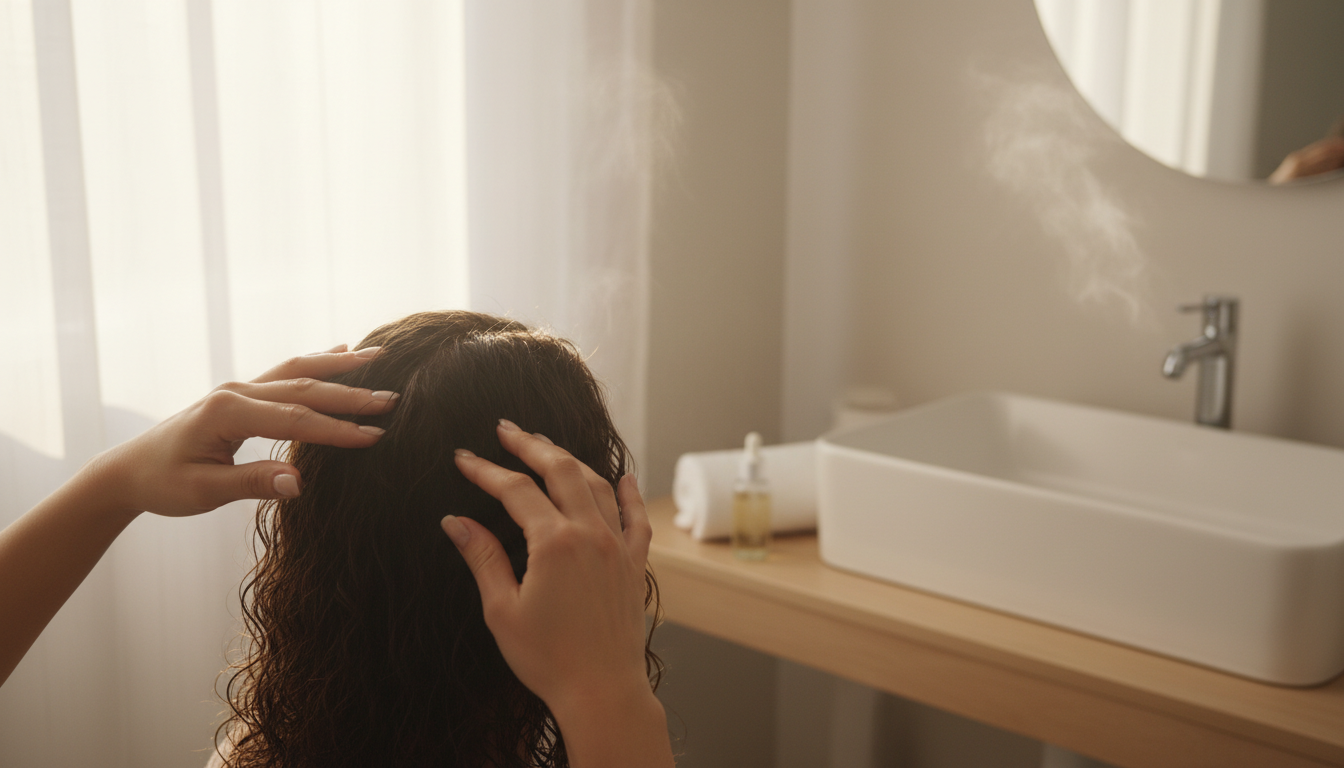
Leave it overnight—no need to wash out. Do it daily for the best shot, and use a mild shampoo 2-3 times a week. Skip heat tools right after so it can do its job.
Try this: Add a scalp massager for more blood flow. From what we've seen, this fits into busy days and brings real support over time.
Frequently asked questions
Is red clover safe for daily use on the scalp?
Yes, topical red clover is usually safe every day. Most women have no problems, but do a patch test first. It's easier on you than oral versions, keeping the benefits on the scalp without spreading around. If you're sensitive, check with a doctor.
Can red clover reverse hair loss completely?
Red clover can cut thinning by blocking DHT, but it won't fully reverse everything. It helps growth cycles stay healthy, though outcomes depend on genetics and how steady you are. Plenty of people see less fallout and more fullness with regular use.
How does red clover differ from minoxidil?
Red clover blocks DHT naturally, going after hormone causes without minoxidil's risks like irritation. Minoxidil improves blood flow but skips DHT. Red clover gives a milder choice that fits into many routines.
Should I take red clover supplements for hair growth?
Stick to topical for hair—supplements might aid hormones body-wide but could clash with meds. Serums target the scalp better. Talk to a health pro before trying pills, especially if pregnant.
Does red clover work for all types of hair loss?
It shines best for DHT-linked thinning, like androgenetic alopecia. For stress or diet issues, it helps some but tackle the main cause too. Results differ; it's a good natural boost for lots of women.
How long until I see results from red clover?
Look for small shifts in 1-3 months, like less shedding, and clearer growth by 3-6 months. Staying consistent is everything—use photos each week. Everyone's timeline varies with their hair and habits.
Can I use red clover if I'm menopausal?
Sure, its isoflavones can help even out changing hormones that hit hair. Topical is low-risk, but get your doctor's take for your situation. Many women after menopause say it cuts down on thinning.
Is red clover suitable for colored or treated hair?
Yes—it's gentle and won't fade color or hurt treated hair. Put it on the scalp, skip the lengths if worried. It builds health without tough chemicals, so it works in color-safe setups.
What if red clover causes scalp irritation?
Irritation doesn't happen often, but it can. Thin it with a carrier or use less often. Quit if it keeps up, and see a dermatologist. Most people find it calming, but pay attention to your scalp.
Can red clover be combined with other hair products?
Yes, add it under oils or after shampoos for better results. Don't mix with heavy actives at first to watch how it goes. In things like Grow & Glow, it's set up to blend right in.
Key takeaways
- Go after DHT with topical red clover for natural hair help—pick standardized extracts with biochanin A.
- Plan for a 1-3 month base before you see changes; sticking with it helps most.
- Pick products at 0.5-2% concentration for good results without irritation.
- Team red clover with caffeine and peptides to boost follicle strength and blood flow.
- Do a patch test and talk to a doctor if pregnant or on meds—safety comes first.
- Rub it into the scalp daily to help it absorb and get blood moving.
- Check progress each month; add a solid diet to make benefits bigger.