
The Best Vitamins for Hair Health (From Food, Not Pills) · Medyko Team

Best Vitamins for Hair Growth: From Food Sources, Not Pills
The vitamins your hair needs are in your kitchen, not the pharmacy
Hey there, if you've ever stared at a bottle of hair growth supplements wondering if they're worth the hype, you're not alone. Many women dealing with thinning hair or slow growth turn to pills first, but here's a friendly nudge: the real magic for vitamins for hair growth often lies in your fridge and pantry. Whole foods deliver these nutrients in a way your body recognizes and absorbs better. You avoid the risk of overdoing it or wasting money. In this post, we'll explore why food beats supplements and dive into the best vitamins for hair growth from everyday eats. Think sweet potatoes, eggs, and salmon that are easy to find across Europe. You'll get practical tips, portion ideas, and a sample meal plan to make it all doable. By the end, you'll feel empowered to nourish your hair from the inside out. That supports the healthy glow we all crave.
Why food beats supplements for vitamins for hair growth
Let's chat about why grabbing vitamins for hair growth from your meals is often smarter than popping pills. First off, bioavailability. That's a fancy word for how well your body actually uses the nutrients. Foods come packaged with natural helpers like fiber and enzymes. They make vitamins easier to absorb. For example, the vitamin A in a baked sweet potato gets to work faster than an isolated supplement. That supplement might pass through without much fanfare.
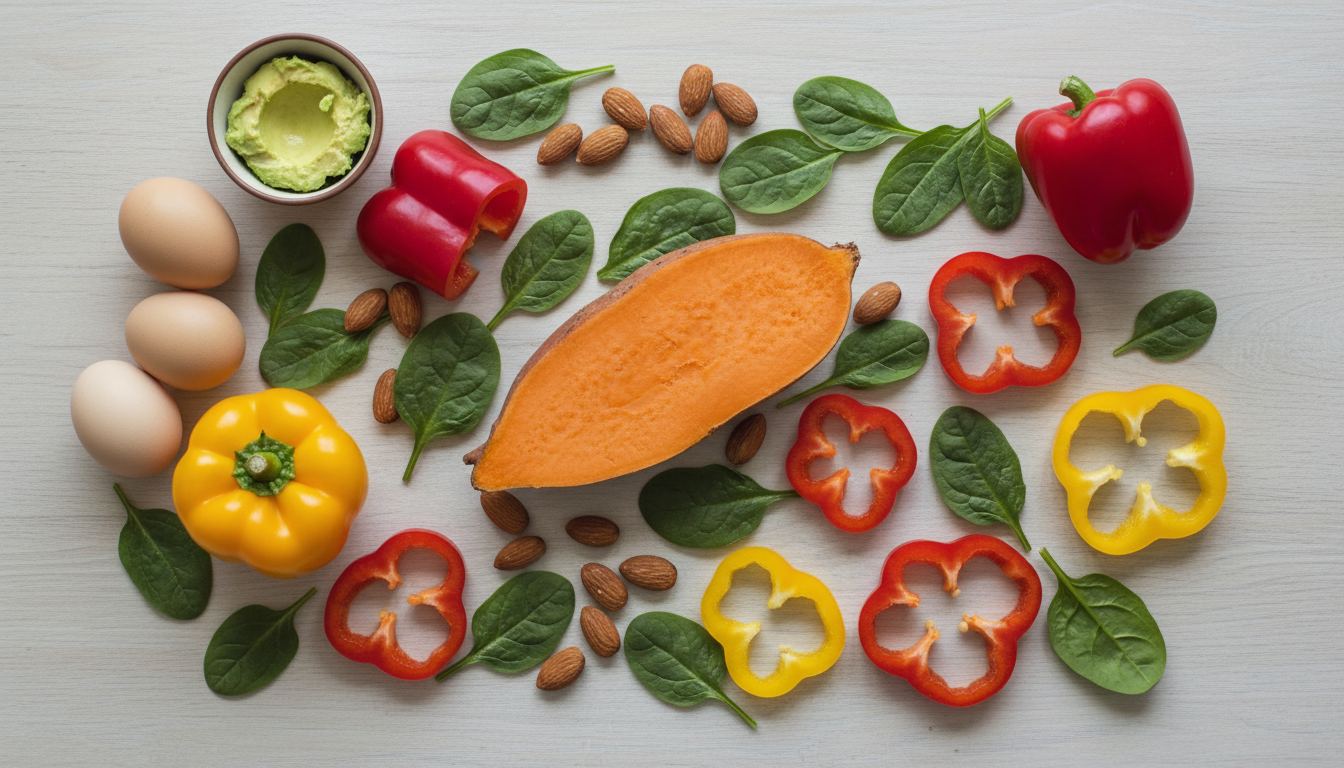
Cost is another win. Supplements can add up, especially if you're trying a few different ones. A handful of almonds or a spinach salad? That's budget-friendly and feeds your whole body. Plus, safety. Whole foods are less likely to cause imbalances. Too much of certain vitamins from pills, like vitamin A, can actually stress your hair follicles. We've seen so many women notice thicker, shinier hair just by tweaking their plates. They do it without the worry of interactions or side effects.
In our experience, women in busy European lifestyles, think long winters and on-the-go days, thrive with this approach. It's sustainable and enjoyable. For more on building a solid foundation for hair health, check out our guide on 15 foods for stronger, healthier hair. Of course, if you're deficient (more on that later), chat with a doctor. But for most, food is the gentle, effective foundation for vitamins for hair growth.
Vitamin A (cell growth)
Vitamin A supports cell growth, which is key for healthy hair follicles. It helps produce sebum, that natural oil keeping your scalp moisturized and your strands strong. Without enough, hair can get dry and brittle. Many women notice that after stressful months.
Great food sources include sweet potatoes, carrots, and spinach. A medium sweet potato baked with its skin gives you a full day's worth. It's delicious roasted or mashed. Carrots are perfect raw as snacks or in salads. Spinach wilts into omelets or smoothies easily.
How much? Aim for one serving daily. That's about a cup of cooked veggies or one medium root veggie. In our chats with women, those adding these consistently report less breakage after a few weeks. Pair with a bit of healthy fat like olive oil for better absorption. Remember, this can support hair health. But balance is key to avoid excess.
B-vitamins (cell division)
B-vitamins play a big role in cell division, helping hair grow from the root up. They're a team effort: B12 for energy and red blood cell production, biotin for keratin strength, and folate for new cell formation. Deficiencies here often show as thinning or slow growth, especially if you're vegetarian or stressed.
For B12, turn to eggs, salmon, or dairy like yogurt. A couple of eggs in the morning or grilled salmon twice a week does wonders. Biotin shines in almonds (a small handful), sweet potatoes, and eggs again. They're versatile and satisfying. Folate? Load up on leafy greens like kale or spinach, and lentils in soups or salads.
How much varies: for biotin, 30-100 mcg daily from food is plenty; B12 around 2.4 mcg; folate 400 mcg. Women we've talked to say incorporating these led to fuller ponytails without fancy routines. Mix it up. Try a lentil salad with greens for a folate boost that feels fresh and European-inspired.
Vitamin C (iron absorption + collagen)
Vitamin C isn't just for colds. It boosts iron absorption and collagen production for stronger hair structure. Collagen keeps strands resilient. Pairing it with iron-rich foods prevents that weak, shedding phase many women face monthly.
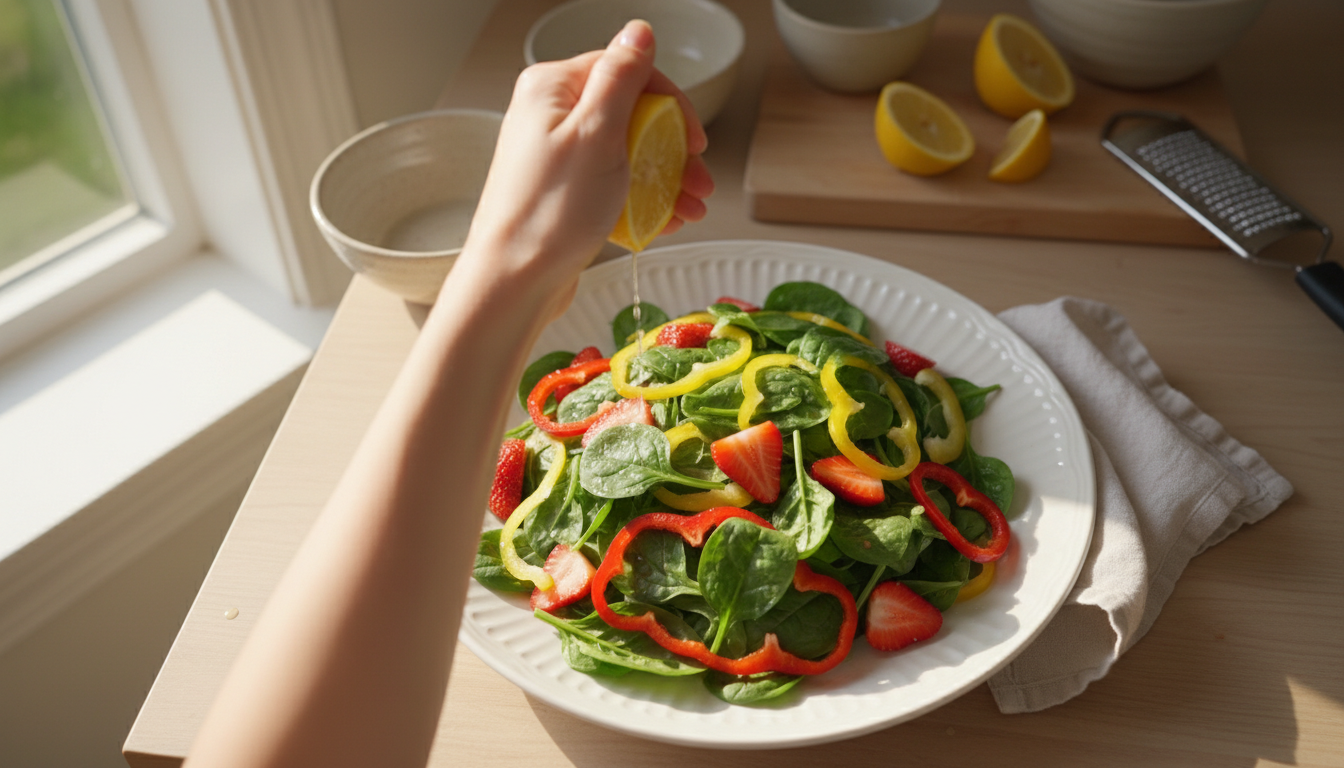
Surprise: bell peppers pack more than oranges! A red one sliced into lunch salads gives a big hit. Citrus fruits like oranges or lemons squeeze easily into water or dressings. Strawberries and kiwi are sweet treats. A handful post-meal.
Aim for 1-2 servings daily, about 75-90 mg. In practice, women notice shinier hair when they add these, especially with iron sources. For example, spinach salad with bell peppers enhances absorption naturally. It's simple, tasty, and supports overall vitality. No pills needed for this vitamin for hair growth perk.
Vitamin D (follicle creation)
Vitamin D helps create new hair follicles and keeps existing ones cycling properly. Low levels, common in European winters, can slow growth or cause patchy thinning. Sunlight helps, but food steps in too.
Fatty fish like salmon or mackerel are stars. Grill a fillet for dinner. Egg yolks add creaminess to scrambles. Fortified foods such as cereals or plant milks fit breakfasts. And don't forget 15 minutes of daily sun when possible.
Target 600-800 IU daily from food and sun; supplements might be wise in dark months, but check with a doc. Many women share how adding salmon weekly brightened their mood and hair health. It's a gentle way to support vitamins for hair growth, especially if you're indoors a lot. For additional tips on protecting your hair during colder months, take a look at our post on winter hair care.
📊 Not Sure What's Causing Your Hair Concerns?
Take our 2-minute Hair Analysis Quiz to get personalized product recommendations based on your unique hair type, scalp condition, and lifestyle.
Start Your Free Hair Analysis →

Vitamin E (antioxidant protection)
As an antioxidant, vitamin E shields your scalp from damage, promoting a healthy environment for hair growth. It fights free radicals from stress or pollution, which can weaken follicles over time.
Almonds and sunflower seeds are easy grabs. A small handful daily. Avocado slices on toast or in salads bring creaminess. Spinach rounds it out in sides or smoothies.
How much? About 15 mg daily, or that handful of nuts. In our experience, women munching these notice less scalp itchiness and stronger roots. It's a low-effort add for vitamins for hair growth that feels indulgent, not restrictive.
Iron (oxygen transport)
Iron carries oxygen to hair roots, essential for growth and preventing fatigue-related shedding. Women often run low due to cycles or diets, leading to telltale thinning.
Red meat in moderate portions, like lean steak weekly. For plant-based, lentils and chickpeas in curries or hummus. Spinach works best with vitamin C. Think sautéed with peppers.
Aim for 18 mg daily for women; pair sources for absorption. We've heard from many how this tweak reduced postpartum loss. It's practical support for vitamins for hair growth, focusing on real meals.
Zinc (hair growth + repair)
Zinc aids hair repair and growth cycles, helping mend damage from styling or environment. Low zinc can stall progress, common in restrictive eaters.
Pumpkin seeds sprinkle on yogurt or salads. Chickpeas in stews. Oysters for occasional treats.
Small amounts daily: 8 mg for women. Women report thicker hair after consistent intake. Easy way to bolster vitamins for hair growth without overthinking.
Sample daily meal plan for hair health
Putting it all together: a simple day of vitamins for hair growth from food. This plan uses European staples, keeps it balanced, and clocks around 1,800 calories. Adjustable for you.
Breakfast: Scrambled eggs with spinach and a side of sliced bell peppers. (B-vitamins, vitamin C, iron.)
Lunch: Grilled salmon salad with leafy greens, carrots, and a lemon dressing. (Vitamin D, folate, vitamin A, C.)
Snack: Handful of almonds and a kiwi. (Biotin, vitamin E, C.)
Dinner: Lentil stew with sweet potato and chickpeas, plus a yogurt side. (Folate, iron, zinc, vitamin A, B12 if dairy.)
Add water throughout. Women love this for its ease. Prep once, eat fresh. It supports hair without feeling like a chore. It pairs well with topicals like our Grow & Glow Serum for extra shine. For a comprehensive approach, explore our ultimate hair care routine for healthy hair growth.
When food isn't enough
Sometimes, true deficiencies mean food alone needs a boost. But always under medical guidance. If blood tests show low levels (like iron or vitamin D), a doctor might suggest targeted supplements. We've seen women with anemia or post-pregnancy dips benefit hugely. But self-diagnosing risks overload.
Listen to your body: unexplained fatigue or heavy shedding? Get checked. Food builds the base, but pros ensure safety. This balanced view keeps vitamins for hair growth realistic and effective.
Hydration matters too
Water ties it all together. It helps transport those vitamins for hair growth to your follicles. Dehydrated hair looks dull and breaks easier; aim for 2-3 liters daily, more if active.
Infuse with lemon for vitamin C synergy. Herbal teas count too. In our experience, hydrated women see quicker results from dietary changes. It's the simple habit amplifying everything else.
Frequently asked questions
Why choose food over supplements for vitamins for hair growth?
Foods offer better absorption and come with bonus nutrients, making them safer and cheaper long-term. Supplements can help deficiencies but often don't match whole-food synergy. Start with meals for sustainable hair support.
How soon can I see results from dietary vitamins for hair growth?
It varies, but many notice less shedding in 4-6 weeks with consistent intake. Full growth cycles take 3-6 months. Pair with gentle care for best outcomes. Patience pays off.
Are there risks to too many vitamins from food?
Unlikely with balanced eating; excess is rare and regulated by your body. Focus on variety to avoid imbalances. If concerned, track portions and consult a nutritionist.
What if I'm vegetarian. Can I get enough vitamins for hair growth?
Absolutely! Eggs, dairy, lentils, nuts, and fortified foods cover B12, iron, zinc. Add spinach and seeds daily. Many vegetarians thrive this way with planning.
Does vitamin D deficiency affect hair in European climates?
Yes, short days mean lower levels, potentially slowing growth. Fish, eggs, and sun help; test levels in winter. Food-first, but supplements may bridge gaps safely.
How does iron deficiency show in hair?
Thinning, increased fallout, or pale growth. Common in women; pair iron foods with vitamin C. See a doctor for tests. Early fixes make a big difference.
Can biotin from food alone support hair growth?
Yes, eggs and almonds provide plenty. It strengthens keratin; combine with other B's for full effect. Women often see resilience without extras.
Is hydration as important as vitamins for hair growth?
Definitely. It delivers nutrients to roots. Aim for clear urine daily. Infused water adds flavor and vitamins, enhancing your food-based routine.
What about combining diet with topicals like serums?
Great idea! Nutrition from inside, like our Grow & Glow Serum outside, accelerates results. Peptides in the serum support follicles while food nourishes overall.
How much vitamin C do I need for hair health?
75-90 mg daily from peppers or fruits suffices. It aids collagen and iron uptake; overdoing is hard from food. Fresh sources keep it exciting.
Key takeaways
- Prioritize whole foods for better-absorbed vitamins for hair growth. Think veggies, nuts, and fish over pills.
- Aim for one serving of vitamin A-rich foods like sweet potatoes daily to support scalp moisture.
- Incorporate B-vitamins through eggs, greens, and lentils for stronger cell division and keratin.
- Boost vitamin C with bell peppers and citrus to enhance iron absorption and collagen.
- Get vitamin D from salmon and sun; consider checks in winter for follicle health.
- Snack on almonds for vitamin E protection and zinc from seeds for repair.
- Stay hydrated and consult a doctor for deficiencies to maximize your hair health efforts.