
Summer Hair Care Essentials (Protect from Sun, Pool, Beach) · Medyko Team

Summer hair care tips: protect from sun, pool, and beach damage
Don't let summer undo your hair progress
One summer of relentless sun exposure can undo months of dedicated hair care. Think faded color, brittle ends, and endless tangles. As a hair care enthusiast who's seen countless women battle seasonal damage, I know how frustrating it is when your locks look dull after a beach day. But here's the good news: with some smart summer hair care tips, you can protect your hair from UV rays, chlorine, salt, and heat while still enjoying every moment outdoors. In this guide, we'll cover practical steps tailored for European summers, from pre-swim prep to post-vacation resets, so you can maintain vibrant, healthy hair without the hassle.
Why summer is the hardest season on your hair
Summer might feel like paradise, but it's a tough time for your hair. The combination of intense UV rays, chlorine from pools, salt from the sea, and everyday heat can leave strands dry, brittle, and prone to breakage. Many women I talk to notice their hair feeling rougher and looking duller by mid-July, especially if they're spending weekends at the beach or pool.
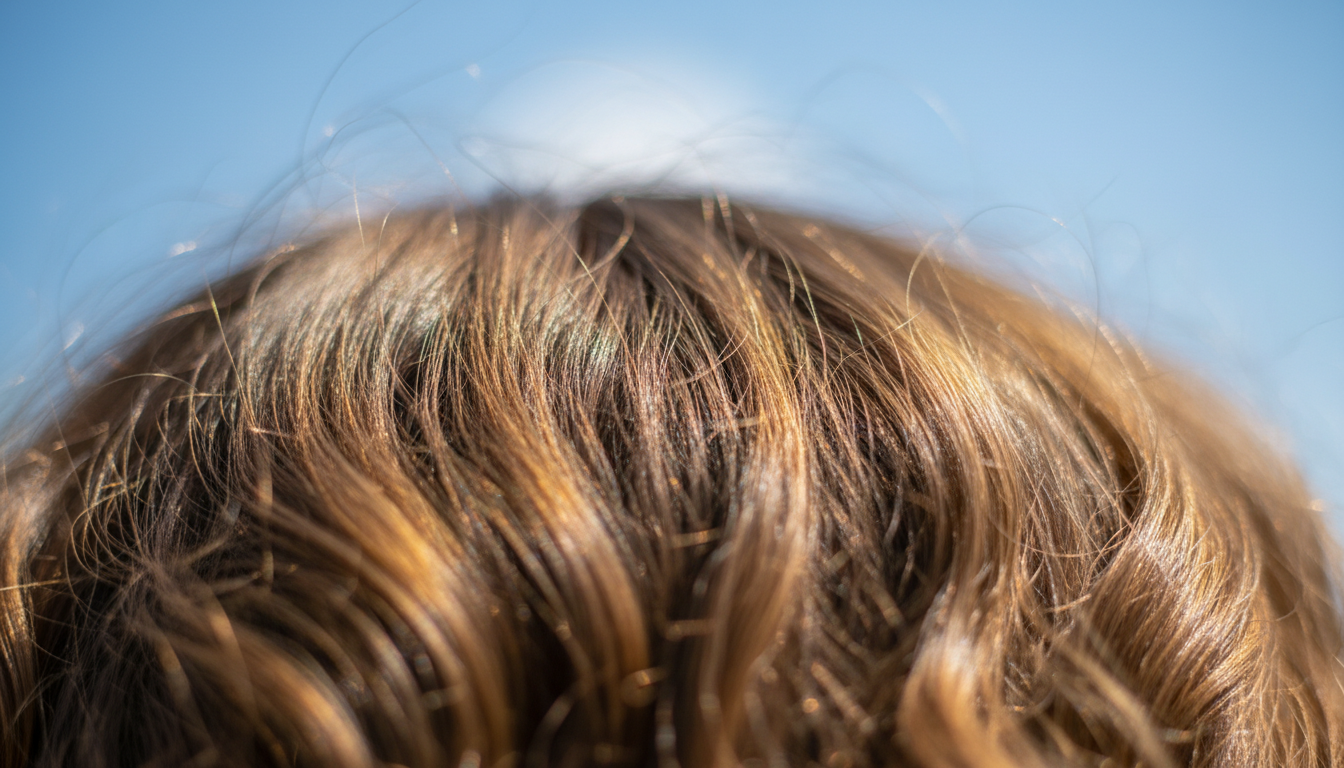
UV radiation penetrates the hair shaft and breaks down proteins. It causes fade in colored hair, like the sun is slowly bleaching your natural shine away. Chlorine, that pool staple, strips natural oils and makes hair feel like straw. Salt water draws out moisture, leading to frizz and tangles. Add in humidity and sweat, and you've got a recipe for scalp irritation too.
Hair in summer absorbs these elements like a sponge. Damage amps up if you're not proactive. Simple habits can make a big difference though. Focus on protection before exposure, and you'll notice softer, more resilient hair by fall. Think of it as giving your locks a seasonal shield. For more on building effective routines, check out our guide on healthy hair habits.
UV protection for hair: yes, your strands need sunscreen too
Hair SPF sprays are a game-changer. Yes, they exist and work like magic for shielding against those harmful rays. Spritz one on before heading out. It forms a barrier that can help prevent protein loss and color fading. Look for lightweight formulas that won't weigh hair down.
Leave-in conditioners with UV filters are another easy win. Apply after your morning routine for all-day protection. They hydrate while blocking rays and keep hair softer in the heat. Many women swear by these for maintaining bounce during long sunny days.
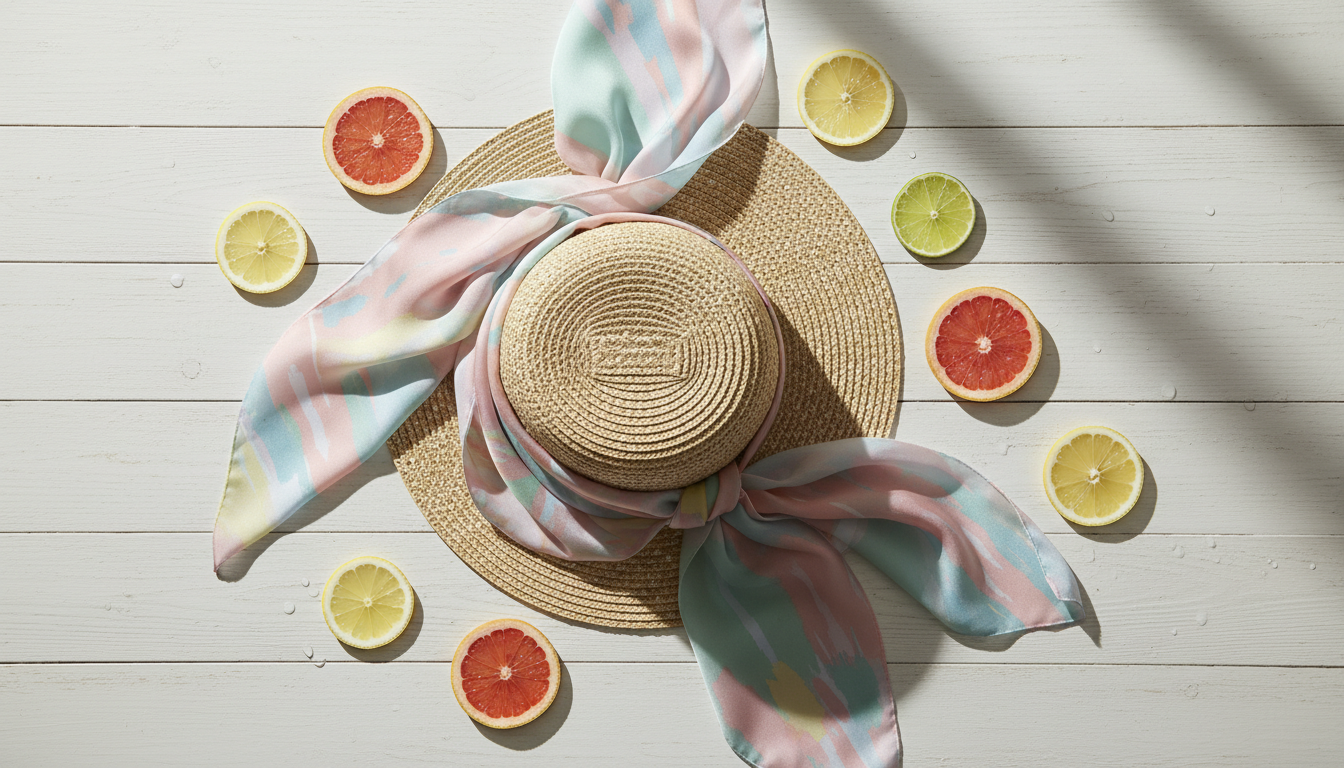
Don't overlook hats for stylish sun protection. A wide-brim one not only looks chic but covers roots and scalp from direct exposure. Pair it with scarves and wraps for beach vibes. They're breathable and add flair while guarding against UV.
Why does hair need sunscreen? Just like skin, unprotected hair suffers oxidative stress from UV, leading to weakness and split ends. In European summers with longer daylight, this damage adds up fast. Start with these tips, and your hair will thank you with less breakage and more shine.
Before swimming: pre-wet your hair to minimize damage
One of the simplest summer hair care tips is to pre-wet your hair before jumping in, whether it's a pool or the ocean. Saturate strands with fresh, clean water right before swimming. This trick works because dry hair acts like a sponge, soaking up chlorine or salt instead of the good stuff you want.
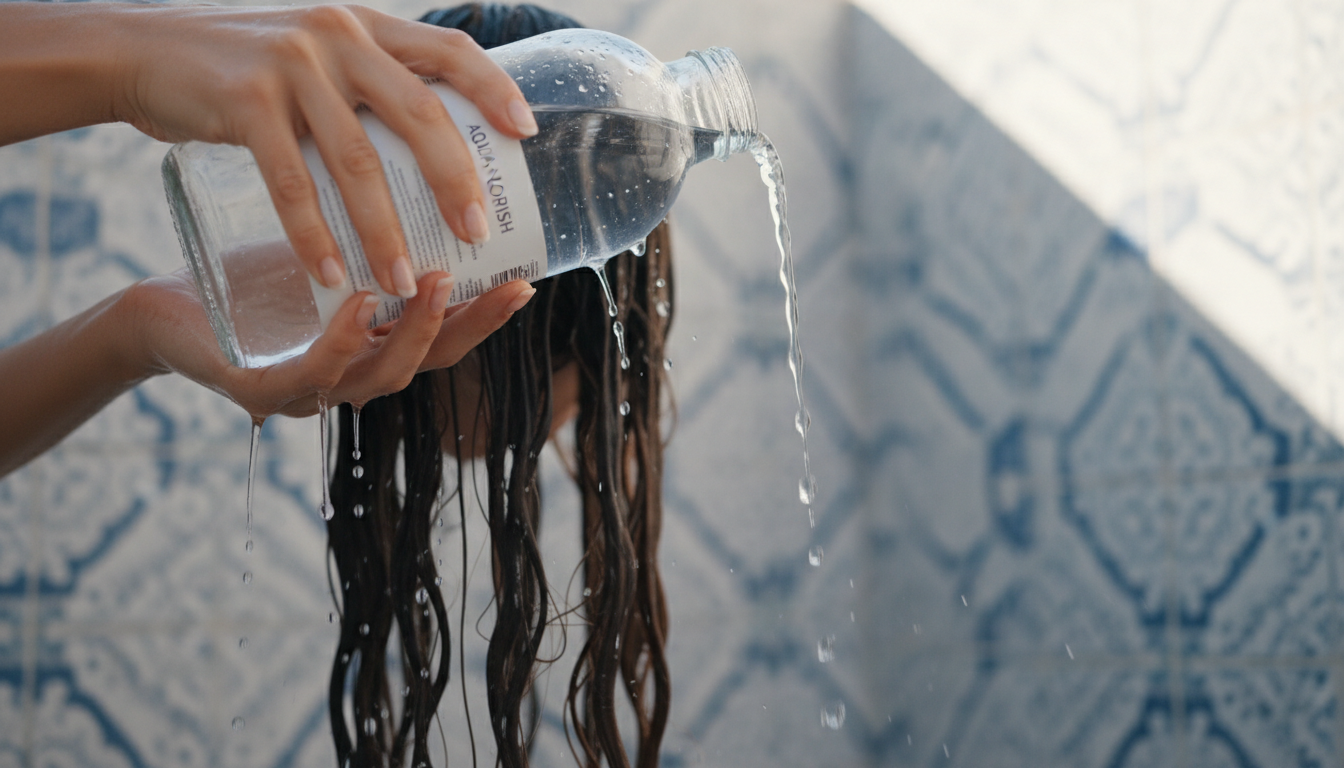
When hair is already wet, it absorbs far less of the damaging elements. I've seen this make a huge difference for friends who swim regularly. Their hair stays softer and less tangled post-dip. Just hop in the shower or use a bottle to drench from roots to tips.
It's especially helpful in salty seas, where dehydration happens quickly. Combine it with a quick rinse of conditioner for an extra barrier. This small step takes seconds but can prevent that post-swim dryness many of us dread. Give it a try next time you're poolside, and notice how much easier detangling becomes.
Chlorine damage prevention: your poolside game plan
Chlorine is sneaky. It loves to latch onto hair, stripping moisture and leaving it brittle. Wearing a swimming cap is seriously effective though. It creates a physical barrier, keeping most of the chemical out. Opt for silicone ones. They're snug and let you swim freely without the old rubbery smell.
Before diving in, apply a pre-swim conditioner barrier generously. This coats strands, repelling chlorine like oil on water. Focus on mid-lengths to ends where damage shows most.
Rinse immediately after emerging from the pool. Don't wait until you're home. Fresh water flushes out residues before they set in. For deeper clean, use a clarifying shampoo weekly to remove buildup without over-drying.
These steps keep hair from turning that telltale green tint, especially for blondes. Pool lovers often report less breakage when consistent. Chlorine affects scalp health too, so gentle care keeps irritation at bay during hot summer swims.
Salt water effects: handling the ocean's drying power
Salt water might seem gentler than chlorine, but it's drying in its own way. It pulls moisture from hair and leaves it stiff and frizzy. The good news is it's often less damaging overall, as it doesn't strip oils as harshly. Beach days still call for action though.
Always rinse after ocean swimming with fresh water to dissolve salt crystals before they harden. Do it right on the shore if possible. Waiting lets damage deepen.
Follow up with a deep condition after beach days to replenish lost hydration. Look for masks with natural oils like argan or coconut. They can help restore softness without greasiness.
Many coastal women notice less severe effects with this routine. Salt mainly causes surface dryness rather than deep protein loss. In European beach spots with windy conditions, this prevents flyaways too. Keep it simple, and your waves will stay beachy, not brittle.
📊 Not sure what's causing your hair concerns?
Take our 2-minute Hair Analysis Quiz to get personalized product recommendations based on your unique hair type, scalp condition, and lifestyle.
Start Your Free Hair Analysis →
Post-swimming hair care: rinse, restore, repeat
After any swim, the clock is ticking. Rinse immediately to stop damage in its tracks. Let chemicals or salt dry on hair, and you'll deal with tangles and dullness later. Use cool water for a quick shower right away.
A clarifying shampoo is your best friend here. It gently removes buildup from chlorine or salt without stripping too much. Use it 1-2 times a week to avoid dryness. Follow with a moisturizing conditioner.
Incorporate a deep conditioning treatment post-rinse. Leave it on for 10-15 minutes while you relax. This can help rebuild moisture bonds weakened by exposure.
Aim for a hair mask once a week minimum to intensely nourish. In summer, when hair's under constant stress, this routine keeps it resilient. Women who've adopted it often say their ends look healthier by season's end. Prevention beats repair. For a comprehensive approach, explore our ultimate hair care routine for healthy hair growth.
Protective hairstyles for beach and pool days
Braids are ideal. They keep hair contained, minimizing tangles from wind or water. Loose French or fishtail styles look effortless while protecting lengths.
A low bun exposes less hair to elements. Secure loosely to avoid tension on roots. It's perfect for lounging by the pool without worry.
Avoid loose hair in water at all costs. It invites knots that pull and break strands. Instead, twist or pin up for easy protection.
These styles not only shield but add to summer fun. Many find braids hold up better in humidity, reducing frizz. Pair with a leave-in for extra defense, and you'll step out looking polished, not windswept. If you're looking for more ideas, check out our post on the best hairstyles for thinning hair for additional protective and flattering options.
Hair color protection in summer: keep your shade vibrant
Summer sun fades color faster. UV breaks down pigments, turning vibrant hues brassy or dull. If you've got highlights or a fresh dye, protection is key.
UV protection is essential. Use sprays or conditioners with filters to slow fading. This can help maintain tone longer than unprotected hair.
Stick to color-safe products that preserve vibrancy without harsh sulfates. They're gentler on treated strands.
Consider going darker for summer. Fades are less noticeable, and it absorbs less heat. Many women opt for this during peak sun months.
In European climates with strong midday rays, these tips prevent that washed-out look. Rinse with cool water post-exposure to seal cuticles, locking in color.
Hydration is key: inside and out for summer hair
Dry hair thrives on hydration, and summer amps up the need. Drink plenty of water. It supports overall health, including scalp moisture, which shows in shinier strands.
Use hydrating hair masks weekly. Ingredients like hyaluronic acid can help draw in moisture for plump, soft hair.
Apply leave-in conditioner daily for a lightweight shield against heat and humidity. It detangles and protects without buildup.
Dehydration from sun and sweat affects hair texture, so internal hydration pairs perfectly with topical care. Women who prioritize this notice less breakage. For an extra boost, serums like Medyko Grow & Glow can support hydration and repair, fitting seamlessly into your routine.
September reset: post-summer hair repair routine
As summer winds down, it's time for a reset. Trim dead ends to remove damage and encourage growth. Even a small snip refreshes.
Clarify thoroughly with a gentle shampoo to clear summer buildup. Follow with protein treatments for strength.
Start a deep conditioning course. Twice weekly for a month to rebuild moisture. Masks with peptides may help fortify follicles.
This repair phase counters accumulated stress. Many see fuller, smoother hair by October. Incorporate Medyko Grow & Glow Serum here to aid recovery and promote healthier growth moving forward.
Frequently asked questions
How often should I use a clarifying shampoo in summer?
In summer, with more swims and sweat, clarifying shampoo 1-2 times a week can help remove buildup without over-drying. Always follow with a deep conditioner to restore moisture. Overuse might strip natural oils, leading to brittleness.
Do I really need SPF for my hair?
Yes, hair can suffer UV damage just like skin, causing dryness and color fade. SPF sprays or UV-filter products may help protect proteins in the shaft. Apply before sun exposure for best results, especially on long days out.
What's the best way to detangle hair after the beach?
Rinse salt out first, then apply a wide-tooth comb and conditioner from ends up. Gentle sectioning prevents breakage. Avoid brushing dry. Wet, conditioned hair glides easier, reducing pull on fragile summer strands.
Can hats alone protect my hair from sun damage?
Hats offer great physical coverage, blocking direct rays on scalp and roots. But for full protection, combine with leave-in UV products for exposed lengths. Stylish options make it practical for everyday summer wear.
How does chlorine affect colored hair?
Chlorine can accelerate fading and dryness in colored hair by opening cuticles. Pre-wet and condition before swimming, then rinse immediately after. Color-safe shampoos weekly may help maintain vibrancy longer.
Is salt water worse than pool water for hair?
Salt dries out hair by drawing moisture, but chlorine strips oils more aggressively, potentially causing more breakage. Both need rinsing. Salt might be slightly gentler, but deep conditioning after either prevents long-term damage.
What hairstyles protect hair best in water?
Braids or buns keep hair compact and reduce water absorption. Avoid loose styles that tangle easily. Secure loosely to prevent root stress, and add a cap for pools. These keep exposure minimal during fun.
How can I repair summer-damaged hair in fall?
Start with a trim, then clarify and deep condition regularly. Hydrating masks and strengthening serums can help rebuild. Consistent care over 4-6 weeks often shows smoother, stronger hair by cooler months.
Does drinking water really help my hair in summer?
Absolutely. Hydration from within supports scalp health and strand elasticity, countering summer dehydration. Aim for 8 glasses daily. Pair with topical products for noticeable softness and less frizz.
Are hair masks necessary every week in summer?
They're highly beneficial with increased exposure. Once weekly can replenish lost moisture from sun and water. Choose hydrating formulas. It may help prevent split ends and keep hair manageable.
How do I protect highlighted hair from fading?
UV protection and cool rinses seal color. Avoid hot tools. Darker tones fade less noticeably, but color-safe lines may help preserve highlights through sunny seasons.
What's the quickest way to protect hair before swimming?
Pre-wet with fresh water and apply conditioner as a barrier. It takes under a minute and reduces chemical uptake significantly. This simple habit can save your hair from major dryness.
Key takeaways
- Pre-wet hair before swimming to block chlorine and salt absorption.
- Use UV-protective sprays and hats daily for sun defense.
- Rinse immediately after water exposure and clarify weekly.
- Opt for protective styles like braids to minimize tangles.
- Hydrate inside with water and outside with masks for resilience.
- Reset in September with trims and deep treatments for repair.
- Incorporate serums like Grow & Glow for ongoing summer support.