
How to Protect Hair While Sleeping · Medyko Team

How to protect hair at night: Essential tips for less damage and healthier strands

You're damaging your hair 8 hours a day, here's how to stop it
Think about it. You spend a third of your life sleeping, and during those hours, your hair rubs against rough cotton pillowcases, gets tangled in knots, and loses moisture to dry air. Lots of women wake up with frizzy, brittle strands without realizing that nighttime friction causes breakage and split ends. The good news is you can stop this damage with a few simple changes to your evening routine. In this guide, we'll go over practical steps to protect your hair at night, from switching pillowcases to gentle styles, so you can wake up to smoother, healthier hair. Let's make your bedtime a safe spot for your hair.
Why nighttime matters for your hair health
Nighttime might seem like rest time for your body, but it's when hair damage can happen if you don't watch out. With about eight hours of tossing and turning each night, your hair deals with constant friction against pillowcases and sheets. That leads to breakage, split ends, and even weaker follicles over time. Cotton fabrics, the usual pick, soak up moisture from your hair and leave it dry and brittle by morning. Women I've chatted with often mention more tangles and flyaways after a rough night's sleep, especially if their hair is long or curly.
From what we've seen, this constant wear adds up. It slows hair growth and makes daytime styling tougher. Dry air in bedrooms makes it worse by pulling more hydration from your strands. But the best part is that protecting your hair at night doesn't need fancy tools or tons of time. Simple changes, like picking the right fabrics and styles, cut down on friction and keep natural oils in place. For more on building effective habits, check out our post on hair-healthy habits to start today. You might see less shedding and shinier hair in just a week or two. These habits give your hair the break it needs, leading to stronger, healthier growth.
The #1 change: Switch to a silk or satin pillowcase
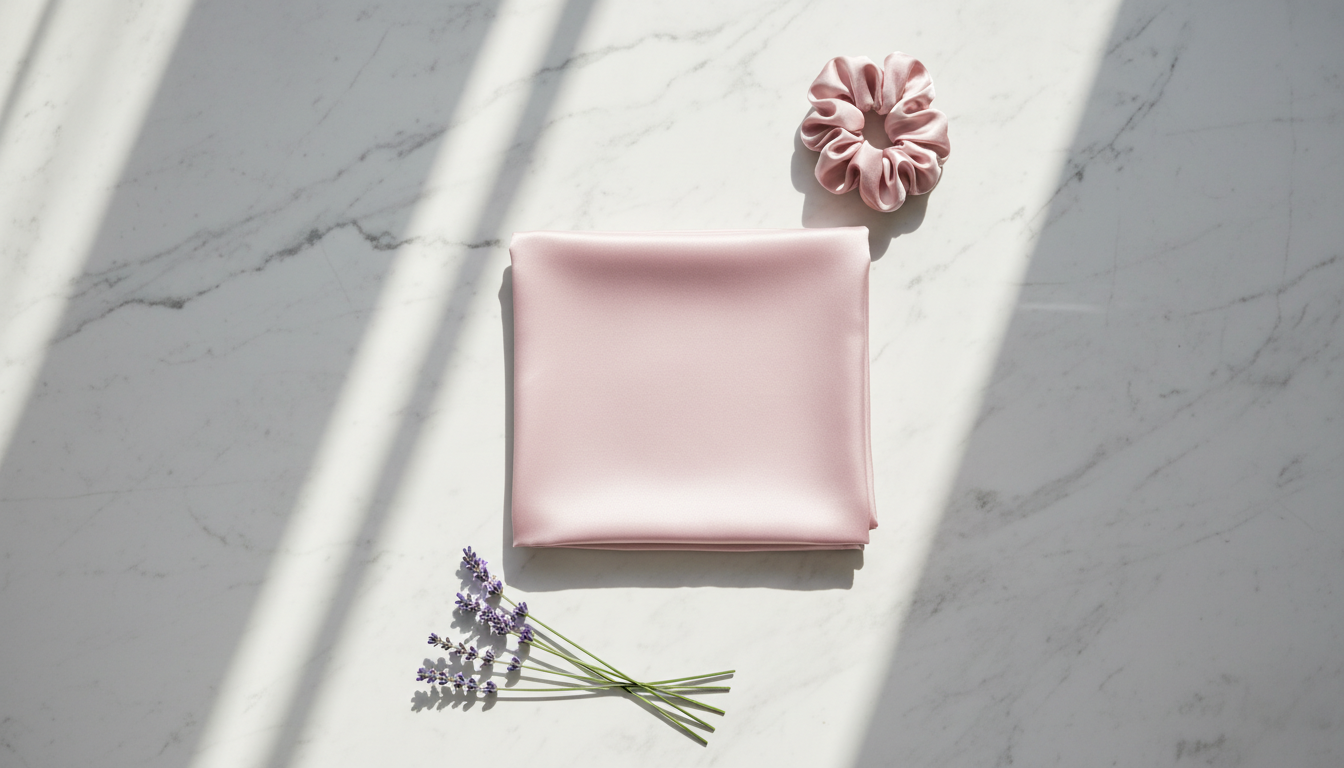
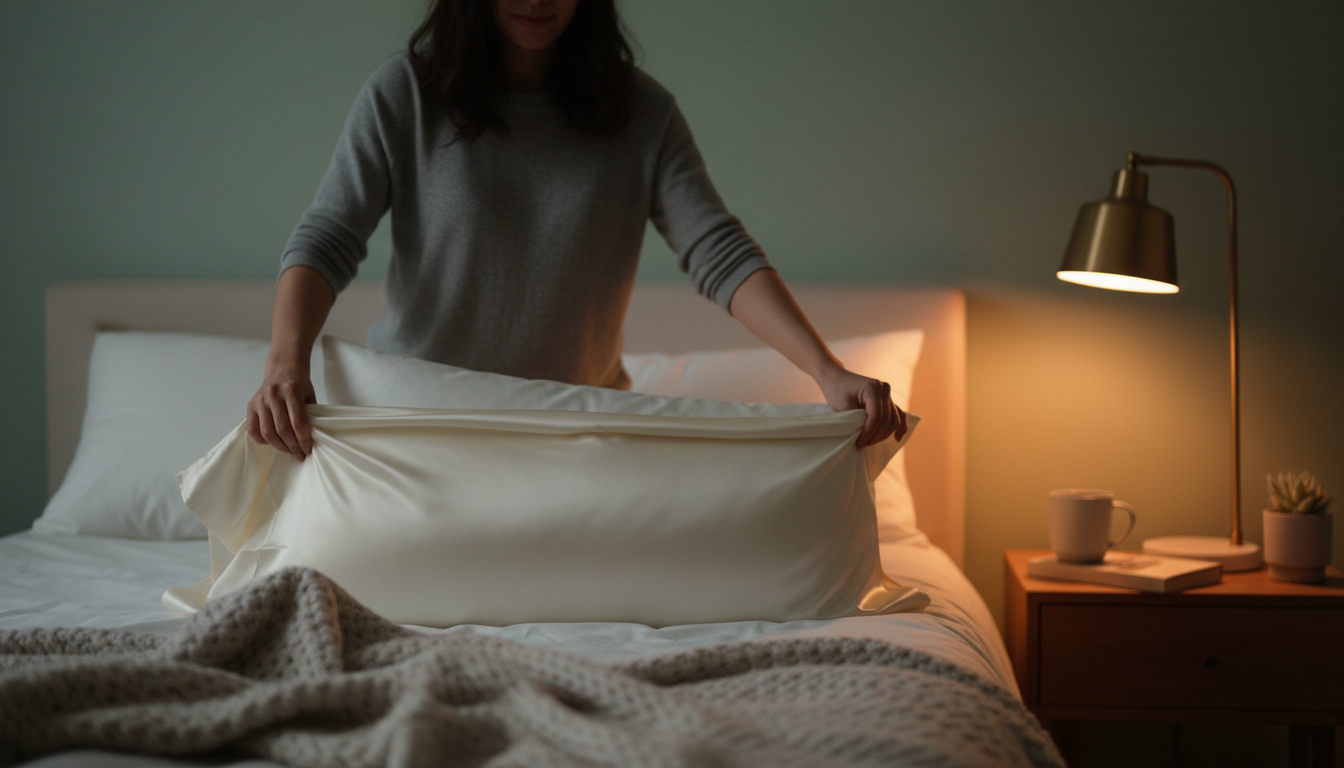
If there's one change that helps the most, it's dropping cotton for silk or satin. Cotton pillowcases soak up moisture and feel rough, which tugs at your hair cuticles all night and causes frizz and breakage. Silk and satin are smooth and slippery, so your hair slides without catching. This easy switch can cut tangles by up to 50% overnight, from what many women say after trying it.
Now, silk versus satin: Both do a great job to protect hair at night, but silk feels luxurious. It's temperature-regulating and extra gentle, often cooler against your skin. Satin costs less and gives similar benefits without the big price. Either one works, just pick pillowcases from 100% mulberry silk or good polyester satin to skip cheap stuff that might pill.
Is it worth buying? Yes, especially at €20-40 for a solid one. They last years and help your skin too. Silk cuts down on facial creases and sleep lines by reducing friction on your face. Start with one for the side you sleep on, and you'll feel softer hair and smoother skin soon. Add it to your regular routine for even better results.
Protective hairstyles for sleep: Tailored to your length
Picking the right hairstyle before bed helps keep tangles and breakage to a minimum while you sleep. Go for loose, low-tension styles that hold your hair without pulling on your scalp. For long hair, a loose braid or low bun does the trick. Start at the nape of your neck, split into three sections for the braid, and use a soft scrunchie to secure it. This stops strands from wrapping around your neck or snagging in sheets. Skip high ponytails, since they create creases and tension.
If you have medium hair, try a loose twist. Gather it at the base, twist it gently away from your face, and tuck the ends under with a scrunchie. It's fast and keeps hair in place without feeling tight. For short hair, a silk or satin bonnet is perfect. It goes on easy and protects curls or waves from flattening.
No matter your length, never use tight elastics or ponytails. They snag and break hairs, especially when you move around in your sleep. Women who switch to these styles often wake up with 30-40% less frizz. Try different ones to see what feels good. Loose is always better than tight. These steps not only protect your hair at night but also make mornings simpler.
The 'pineapple' method: A game-changer for curly and wavy hair
If you have curly or wavy hair, the 'pineapple' method is worth trying to keep your bounce overnight. It's easy: Gather your hair into a high, loose ponytail on top of your head, like a pineapple, and secure it with a large scrunchie. This lifts roots to avoid flattening and lets curls fall loosely to hold their shape. No tight wrapping that causes crimps or frizz.
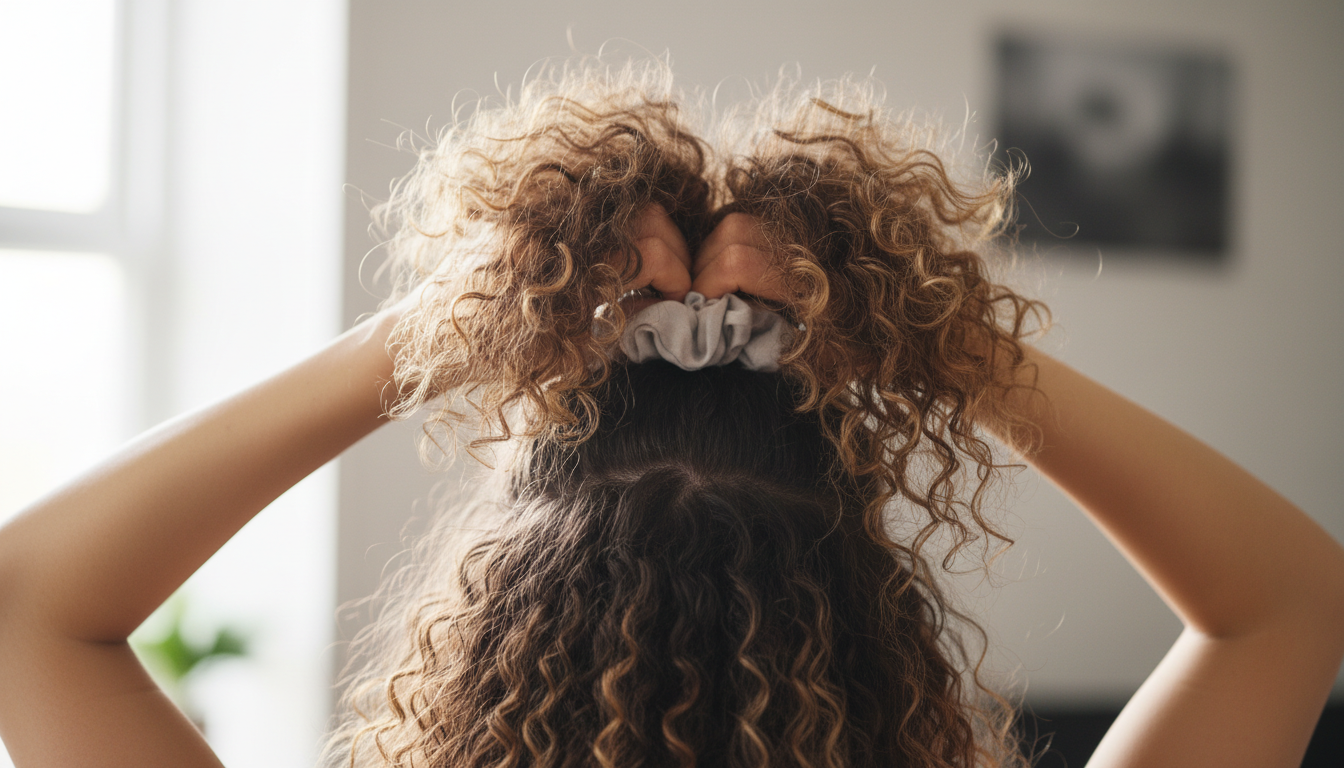
Why does it work so well to protect hair at night? Lifting your hair off the pillow cuts friction and compression, which usually crush waves and cause tangles. Women with 2C to 4C curls often say their definition holds up better the next day, so they spend less time refreshing.
Use a scrunchie made of silk or microfiber to skip creasing. Regular elastics can dent your curls. If your hair is very coily, mist with a bit of water or leave-in conditioner before pineappling for more hydration. It's great in dry climates where moisture escapes overnight. Keep it loose; if it's too high, it might not feel comfy. Over time, this helps maintain healthier curl patterns by cutting daily damage.
Hair wraps and bonnets: Versatile protection for all types
Hair wraps and bonnets act like shields for your strands during sleep, giving full coverage without much effort. A silk or satin bonnet fits all hair types. It's lightweight, breathable, and slips over your head to block friction and dust. For straight or wavy hair, it keeps things smooth. For curls, it holds in moisture. Put it on after your evening routine, making sure it covers your edges without squeezing.
If you want something stylish, go for a head wrap in silk or satin fabric. Wrap it turban-style around your head, tuck your hair inside for protection. It's ideal for medium to long lengths and feels cozy at bedtime. To keep it from slipping, tie a gentle knot at the nape and add bobby pins if you need to, but keep it loose to avoid headaches.
These tools cut morning tangles a lot, especially if you move around a lot in your sleep. They cost €10-25 and you can wash them, so they're practical. If bonnets feel awkward at first, practice putting them on while sitting up. Pairing with a silk pillowcase gives double protection to protect your hair at night.
📊 Not sure what's causing your hair concerns?
Take our 2-minute hair analysis quiz to get personalized product recommendations based on your unique hair type, scalp condition, and lifestyle.
Start your free hair analysis →
When to apply overnight treatments for maximum benefit
Nighttime works great for nourishing treatments because your hair can soak them up without interruptions. Try hair masks once a week. Apply a hydrating one from mid-lengths to ends after your evening shower, then cover with a bonnet. Leave it on for 20-30 minutes or overnight if it's not too heavy. This conditions deeply without leaving residue during the day.
For hair oils if your strands feel dry, add a few drops of argan or jojoba to damp ends before bed. It locks in moisture and fights overnight dryness, but don't overdo it to avoid greasiness. Focus on porous spots.
Don't skip growth serums for long-term help. Products like our Medyko Grow & Glow Serum, with peptides to feed follicles, go on nightly at your scalp. Massage it in gently 30 minutes before sleep. It works while you rest to encourage healthier growth without weighing hair down. Many women notice less shedding after using it regularly. For more on the best timing for such treatments, see our guide on morning vs evening hair care.
Time these after brushing out tangles but before styling. If your hair is oily, skip the oils and just use serum. These steps not only protect your hair at night but also build strength, so it's tougher against daily wear.

Avoiding tight elastics: A simple rule for less breakage
Tight elastics are terrible for hair at night. They pull, snag, and snap strands when you shift positions. Traditional rubber bands make pressure points that weaken hair over time, causing breakage around the hairline and ends. Women who stop using them see better hair strength right away.
Reach for scrunchies or spiral
ties made from soft fabric or silk instead. Scrunchies spread tension evenly and come off without pulling. Spirals, like foam or wire ones, hold without creasing and suit loose styles.
The main thing is to keep everything loose. Your braid, bun, or ponytail should feel secure but not tight. Test by sliding a finger underneath; if it moves easily, it's fine. This avoids traction alopecia from nightly habits. If things slip, add a bonnet for hold. This change takes little effort but pays off big, protecting fragile hairs and helping you keep length.
Tailoring protection for different hair lengths
Your hair length affects how much nighttime protection it needs. Shorter styles tangle less, but longer ones need more containment. For short hair, chin-length or above, a silk bonnet or satin pillowcase usually does enough. It stops flattening and frizz without extra work, keeping your cut looking good.
Medium hair, shoulder to mid-back, does well with a loose braid or twist at the nape. This holds waves without bulk and cuts mid-night snags. Add a light oil if ends are dry.
For long hair, past shoulders, a braid is a must. It keeps ends from whipping around and knotting up. Start loose from the bottom to skip tension at the roots. People with long hair love this for avoiding bedhead messes.
No matter the length, always use silk elements to slide through the night. Adjust for texture too. Curlies might need to preserve more volume. These custom tips make protecting your hair at night easy and effective.
Morning hair rescue: Quick fixes if you forgot your routine
We all forget protection some nights, so no worries. A quick morning fix can save your strands. Start with dry shampoo at the roots for volume and to soak up oil. Spritz lightly, massage it in, and brush through to fix flatness without a wash.
Next, use a quick refresh spray. Mix water, leave-in conditioner, and a drop of oil in a bottle, then mist over the lengths to detangle and add shine. Finger-comb gently to spread it out.
For styling, pull frizzy parts into a low twist or pin tangles away. If curls are squished, scrunch with a bit of mousse for bounce. These take under five minutes and stop damage from piling up. Over time, try to make it a habit, but this helps on off nights while keeping hair healthy.
Building the nighttime habit: Make it stick with routine stacking
To build a lasting nighttime hair routine, focus on small habits that fit into your day. 'Stack' protection onto things you already do, like brushing teeth or skincare. After your face routine, take two minutes for a loose braid or bonnet while your serum sinks in.
Track how it goes with a quick journal note on morning hair feel to keep going. Start small. Swap your pillowcase first, then add a style next week. Women who link this to relaxing activities, like reading, find it easy.
For sticking with it, keep items handy. Put scrunchies and bonnet on your nightstand. If traveling throws you off, pack a silk travel pillowcase. In a month, these steps cut damage bit by bit, giving you thicker, less brittle hair. For a comprehensive approach, explore our ultimate hair care routine for healthy hair growth. It's about steady progress, not being perfect. Your hair will show it with smoother mornings.
Frequently asked questions
Why does my hair get so tangled overnight?
Tangles come from friction against rough pillowcases and movement during sleep, which pulls at dry strands. Switching to silk or satin cuts the snags, and a loose protective style keeps hair contained. Many see fewer knots after a few nights. Start with a pillowcase swap for fast help.
Is a silk pillowcase really worth it for hair protection?
Yes, it makes a real difference by cutting friction and moisture loss compared to cotton. It's kind to skin too, reducing wrinkles. At €20-40, it's a cheap buy that lasts. Women often say less frizz and breakage in a week.
What's the best protective style for curly hair at night?
The pineapple method, a high loose scrunchie ponytail, keeps curls from flattening. It lifts hair off the pillow to reduce friction. If that's too high, a silk bonnet does well. Skip tight ties to avoid creases and hold definition till morning.
How often should I use overnight hair treatments?
Use hair masks weekly for deep hydration, oils 2-3 times if dry, and growth serums like Grow & Glow nightly for follicle help. Apply after evening cleanse but before styling. This lets ingredients soak in without daytime buildup, aiding protection and strength over time.
Can I protect my hair at night if it's very short?
Sure, a silk bonnet or pillowcase works fine for short hair, stopping frizz and flattening. No fancy styles needed, just smooth surfaces. It still cuts rubbing damage, leading to better ends and less shedding.
What if my bonnet keeps slipping off at night?
Pick one with an adjustable drawstring or wider band for a snug fit without squeezing. Tie a gentle knot or add soft clips if needed. Satin ones grip better on silk pillowcases. Try a few to get the right one, and it should stay on for full protection.
Does protecting hair at night actually promote growth?
It helps growth by cutting breakage and follicle stress, so you keep natural length. Less damage means healthier hair. Add a serum for extra nourishment. Many notice thicker hair after regular nighttime care.
How do I detangle morning hair without more damage?
Use fingers or a wide-tooth comb from the ends, with detangling spray. Don't brush dry. Mist with water first. This gentle way keeps what your nighttime protection did, avoiding pulls and keeping hair smooth.
Are scrunchies better than hair ties for sleep?
Yes, scrunchies are softer with no metal or tight elastic to snag. Choose silk ones to fit your routine. They hold loosely, cutting tension. Perfect for protective styles without edge breakage.
What if I sleep on my back, do I still need protection?
Even back sleepers deal with some friction and dryness, so a silk pillowcase holds moisture. For more, a light bonnet or serum adds help. It's easy protection against overnight wear.
Key takeaways
- Swap to a silk or satin pillowcase right away to reduce friction and wake up smoother.
- Use loose protective styles like braids or the pineapple method based on your length and texture.
- Add overnight treatments, masks weekly, oils as needed, and growth serum nightly for nourishment.
- Drop tight elastics for scrunchies to skip breakage and scalp tension.
- Build habits by stacking routines, like serum during skincare, for steady use.
- On mornings you forget, use dry shampoo and refresh sprays to fix without harm.
- Customize by length: bonnets for short, twists for medium, braids for long.