
How to Detangle Hair Without Breakage (The Right Way) · Medyko Team

How to detangle hair without breaking it: Gentle techniques for stronger strands

Stop losing inches to breakage every month
You're losing inches of hair every month to breakage. Here's how to stop it. Many women come to me frustrated. They think they're dealing with hair loss, but it's actually sneaky breakage from rough detangling. That snap, snap, snap when you brush? It's robbing you of length and vitality. But with the right approach, you can detangle hair without breaking those precious strands. In this guide, I'll share practical, experience-based tips to protect what you have while supporting growth. Whether your hair is straight, curly, or somewhere in between, these steps will help you maintain stronger, longer locks.
Why detangling matters (breakage vs hair loss)
Detangling isn't just a chore. It's a key step in preserving your hair's length and health. Many women notice their hair seems shorter over time, but it's often not true hair loss. It's breakage from improper handling. Breakage happens when strands snap due to tension, dryness, or weak spots. This mimics the thinning of actual hair loss like telogen effluvium or androgenetic alopecia.
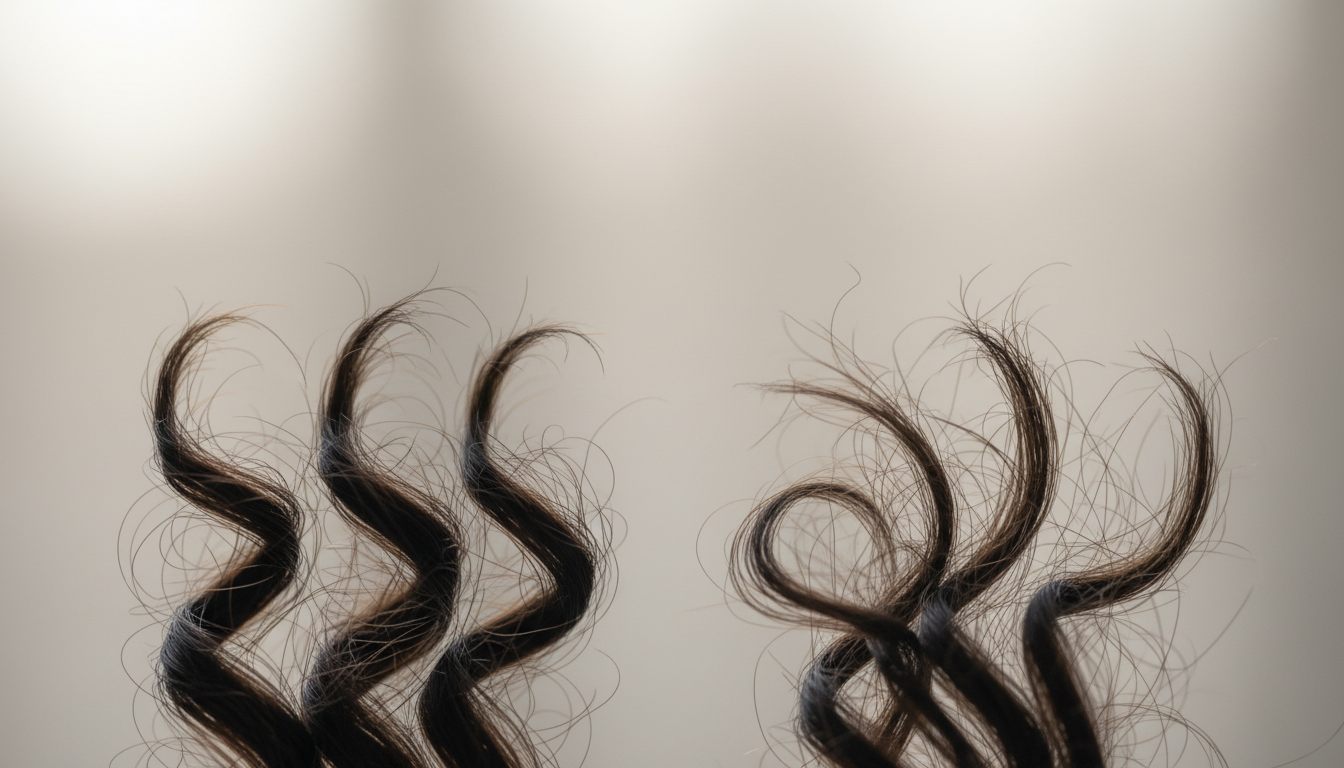
In my experience working with clients, breakage shows up as frayed ends, split tips, or overall dullness. Real hair loss involves strands falling out from the root. The good news? You can prevent most breakage with gentle techniques. Studies suggest that mechanical damage from brushing accounts for up to 20% of daily hair loss in some cases. But focusing on how to detangle hair without breaking it can reduce that dramatically.
Think about it: your hair is like a rope. Pull too hard, and it frays. Proper detangling supports the hair's natural strength. It helps it grow longer without those frustrating setbacks. By addressing breakage, you're protecting existing hair while new growth catches up. This can make your routine even more effective when paired with nourishing products.
The cardinal rule: Start from ends, work up (never top-down)
If there's one rule to remember when learning how to detangle hair without breaking it, it's this: always start at the ends and work your way up. Going from the roots down creates massive tension on the fragile tips. That leads to snaps and breakage. I've seen so many women tug from the top out of habit. They end up watching inches vanish over weeks.
Here's how to do it right: Section your hair into 2-4 parts using clips. Begin at the very ends with short, gentle strokes. No more than 1-2 inches at a time. Once those are smooth, move up a bit, overlapping slightly. Use light pressure. Let the tool glide rather than force it.
This method distributes tension evenly. It preserves the hair's integrity. For extra protection, apply a slip-enhancing product first. More on that later. In practice, this simple switch can cut breakage in half. Clients often report seeing less fallout in their brushes after just a week. Patience is key. Rushing defeats the purpose. By working bottom-up, you're treating your hair like the delicate strands it is, not a tangled mess to conquer.
Wet vs dry detangling (which is better for your type)
One big debate in hair care is whether to detangle wet or dry. The answer depends on your hair type. Wet detangling can add moisture but risks swelling the strands. That makes them more prone to stretch and break if not done carefully. Dry detangling avoids water but can cause more friction on parched hair.
From what I've observed, straight and wavy hair often fares better dry. It slips easier without added weight. Curly and coily types? Wet is usually gentler, especially with conditioner. Dryness amplifies tangles. A damp towel or light mist can be a middle ground for many.
To decide: If your hair feels brittle post-shower, try dry with oil. For tight curls that knot overnight, wet with leave-in is a game-changer. The goal in how to detangle hair without breaking it is minimizing friction. Wet hair has more elasticity, but only if lubricated. Experiment gently. Start with small sections to see what works. Over time, this choice can prevent up to 30% more breakage. It keeps your ends intact and your style on point.
The right tools
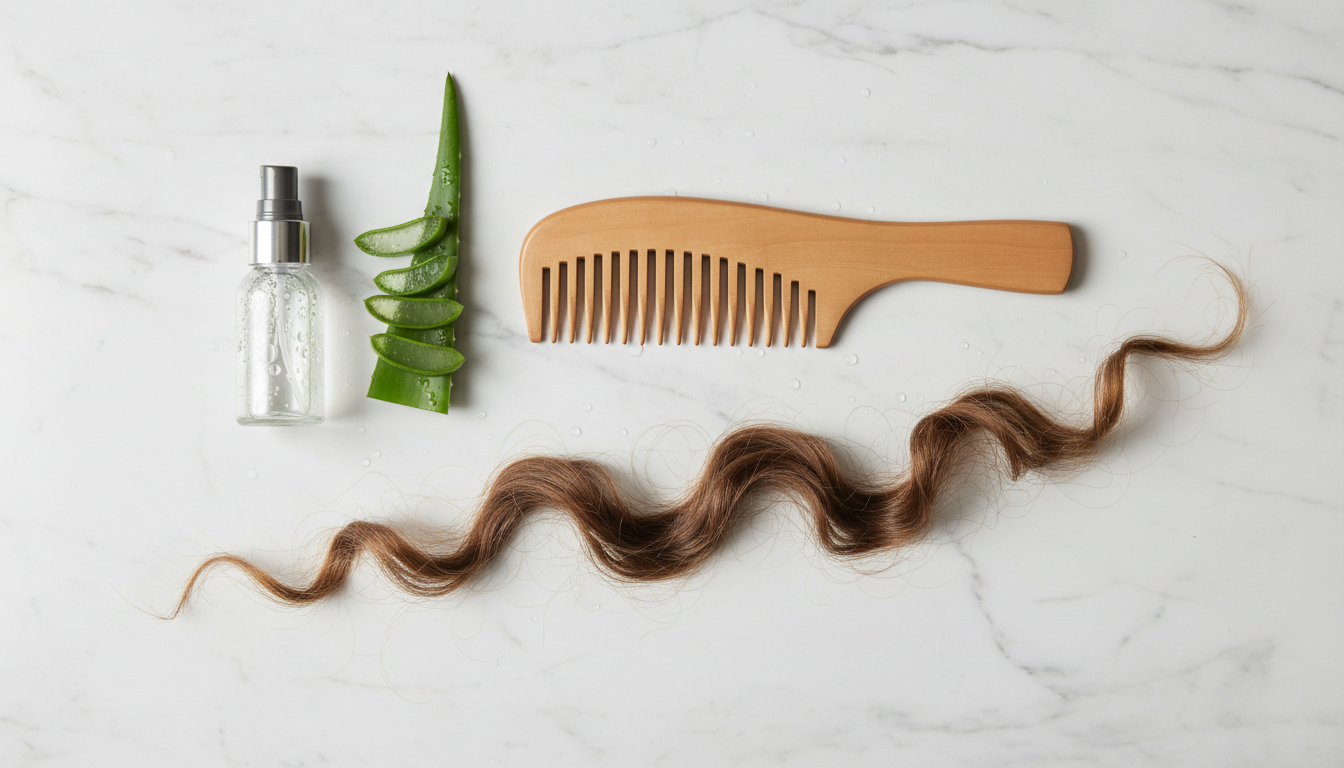
Choosing the right tools is key for how to detangle hair without breaking it. The wrong one can do more harm than good. Skip fine-tooth combs or stiff brushes. They snag and pull. For more guidance on selecting the best tool for your hair type, check out our post on how to choose the right hair brush.
-
Wide-tooth comb (for wet hair): Ideal for soaked, conditioned strands. The wide spacing glides through knots without yanking. Start at ends, and it detangles shower-fresh hair effortlessly.
-
Wet Brush (flexible bristles): Great for semi-damp hair. The soft, bendy tips flex around tangles, reducing pull by up to 50% compared to regular brushes. Many women with medium textures swear by it for daily use.
-
Tangle Teezer (for fine hair): Designed with two rows of teeth for gentle detangling. It works on dry or wet fine strands without static or breakage. Perfect if your hair is straight but prone to knots.
-
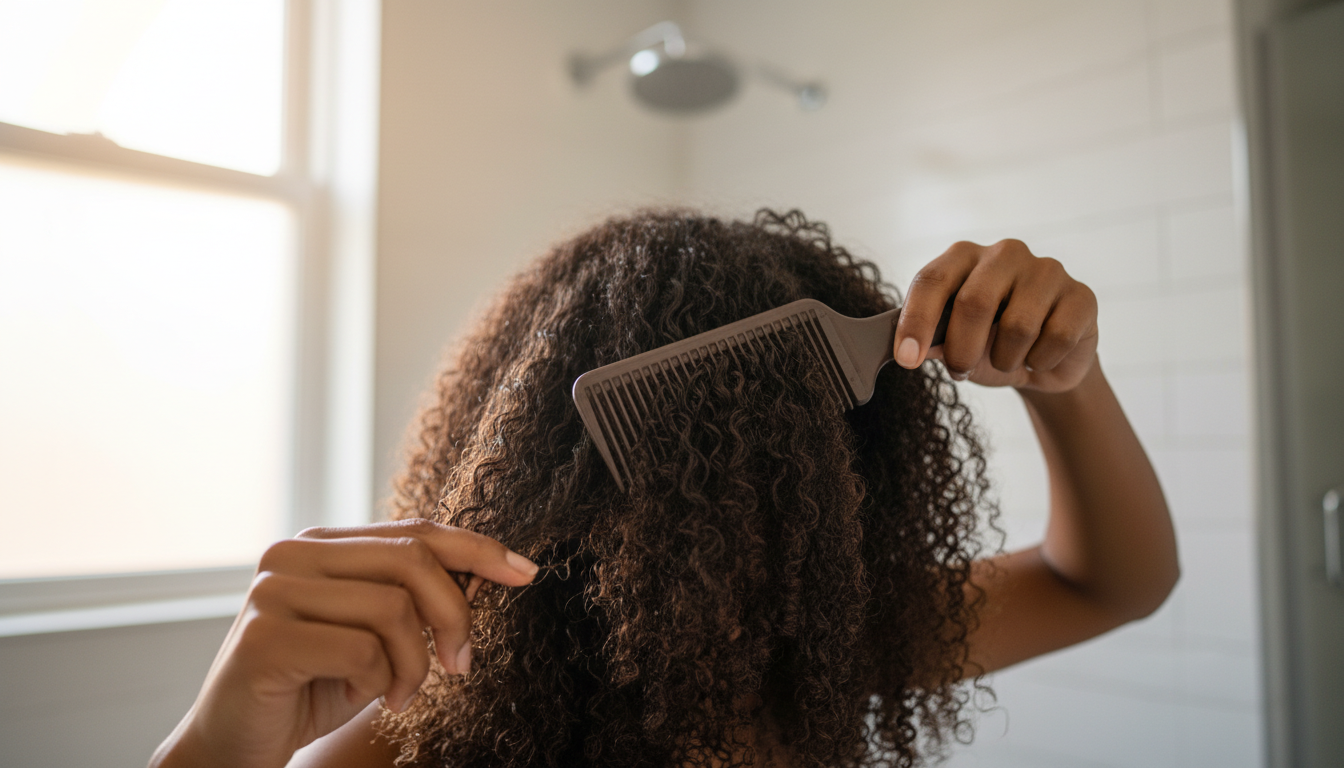
Your fingers (curly hair): Nothing beats fingers for curls. They separate coils naturally, feeling out resistance without tools. Section, finger-detangle from tips up, and preserve your pattern.
In my experience, matching tools to your needs makes detangling less stressful. Hold the tool lightly, and clean it regularly to avoid buildup. These picks can transform a tearful routine into a soothing one, saving your strands from unnecessary snaps.
Detangling products that help
Products aren't magic, but they can make how to detangle hair without breaking it so much easier. They add slip and protection. Focus on ones that lubricate without weighing down.
-
Leave-in conditioner (adds slip): Apply a dime-sized amount to damp ends before detangling. It coats strands, reducing friction and shielding from snaps. Look for lightweight formulas with aloe or shea for hydration without greasiness.
-
Detangling spray: A quick spritz of water-based spray with slip agents like hydrolysed proteins works wonders on stubborn knots. Mist sections as you go. It's like a mini spa for tangles, especially post-swim or sleep.
-
Hair oil (for dry detangling): For dry sessions, a drop of argan or jojoba oil smooths the cuticle. It seals moisture and eases the brush through, preventing flyaways and breakage. Our Medyko Grow & Glow Serum is a favorite here. Its peptides support follicle health while the oils detangle gently.
Start with small amounts to avoid buildup. In practice, these help sectioning go faster, cutting time and tension. Women often notice softer, stronger hair after consistent use. It turns detangling into a nourishing ritual rather than a battle.
📊 Not sure what's causing your hair concerns?
Take our 2-minute Hair Analysis Quiz to get personalized product recommendations based on your unique hair type, scalp condition, and lifestyle.
Start your free hair analysis →
By hair type
Not all hair detangles the same. Tailoring your approach to your type is key in how to detangle hair without breaking it. Here's what works best based on patterns I've seen.
-
Straight hair: Can detangle dry. Fine and smooth, it slips easily without water. Use a Wet Brush or Tangle Teezer dry, starting at ends. Add oil if static builds. Quick and low-risk for breakage.
-
Wavy hair: Best when damp. Waves hold light tangles that tighten when dry. Mist with detangling spray or leave-in, then finger or wide-tooth comb damp sections. This preserves bounce without stretching.
-
Curly hair: Only when wet with conditioner. Curls knot tightly. Dry detangling pulls coils apart. Shower with conditioner, finger-detangle in sections, then wide-tooth comb. It maintains definition and cuts snaps by 70%.
-
Coily hair: Fingers first, then wide-tooth. Coils are fragile. Start with oiled fingers to separate, then a wide comb wet. Patience prevents shrinkage-related pulls.
Adapting like this respects your hair's structure. Clients with curls see the biggest transformation, retaining length they thought was lost to 'shedding.' Experiment safely to find your sweet spot.

In-shower detangling method
Detangling in the shower is a lifesaver for many, especially with wet hair's natural slip. It's particularly helpful for how to detangle hair without breaking it if tangles build overnight.
Start by applying conditioner generously from mid-lengths to ends. Use a creamy one with detangling agents. Let it sit 3-5 minutes while you wash elsewhere. Then, section your hair with your hands or clips.
Take a wide-tooth comb and gently work from the tips up, 1-inch sections at a time. Rinse as you go, but don't rush. The water and conditioner create a buffer against tension. If resistance hits, add more product and pause.
This method minimizes dryness and fallout. I've had women report half the usual breakage after switching. For extra care, follow with a leave-in. It's a gentle, patient approach that turns shower time into hair-saving therapy, protecting strands while they soak up moisture.
Preventing tangles in the first place
Why wait for tangles when you can prevent them? Proactive steps make how to detangle hair without breaking it easier and less frequent. For a deeper dive into protective habits, see our guide on how to protect hair while sleeping.
-
Protective nighttime styles: Before bed, loosely pineapple curls or braid in sections. This contains movement, reducing morning knots by up to 80%. Use silk scrunchies to avoid creases.
-
Silk pillowcase: Cotton causes friction and tangles overnight. Switch to silk or satin. It lets hair glide, preserving moisture and smoothness. Many notice less breakage just from this swap.
-
Regular trims: Every 8-12 weeks, trim 1/4 inch to remove split ends before they travel up. Healthy ends resist tangling better, keeping your routine simple.
Incorporate these habits daily. Pair with our Medyko Grow & Glow Serum at night for added protection. It nourishes while you sleep, supporting stronger strands overall. Prevention isn't about perfection. It's small changes that add up to longer, tangle-free hair.
Common mistakes that cause breakage
Even with good intentions, certain habits sabotage how to detangle hair without breaking it. Avoid these pitfalls to see real results. For more insights on what to avoid, check out our article on hair care mistakes that make thinning worse.
First, brushing from roots down. It overloads weak ends with tension, causing snaps. Always bottom-up. Second, detangling bone-dry hair without product. Friction builds heat and pulls. Add slip first.
Third, using the wrong tools, like boar bristle brushes on curls. They mat instead of smooth. Match to your type. Fourth, rushing the process. Impatience leads to forceful yanks. Take 5-10 extra minutes for gentleness.
Finally, ignoring buildup. Product residue or dry scalp creates stubborn knots. Cleanse weekly and exfoliate lightly. I've counseled women who fixed these and regained inches thought lost. Spot them early, and your hair stays resilient.
Frequently asked questions
What's the difference between hair breakage and hair loss?
Breakage is when strands snap along their length due to tension or weakness, often from rough detangling. Hair loss involves follicles shedding whole hairs from the root, like in hormonal changes. Many women confuse them because both thin hair. But breakage shortens length without root fallout. Focus on gentle handling to prevent breakage. It can mimic loss but is fixable with better techniques.
Can I detangle my hair every day without causing damage?
Yes, daily detangling is fine if done gently, starting from ends with the right tools and products. For straight hair, dry is okay. For textured, keep it damp. Over-brushing dry, product-free hair risks friction, so add leave-in. In my experience, consistent soft sessions prevent buildup tangles better than infrequent rough ones.
What if my hair is too tangled to start from the ends?
If knots are severe, mist with water and detangling spray, then finger-separate the worst spots first. Apply conditioner or oil generously, wait 5 minutes, and clip away detangled sections. Patience avoids pulling. Severe tangles often stem from neglect, so address prevention next time.
Is wet detangling always better to avoid breakage?
Not always. It depends on your type. Wet adds slip but can stretch fragile hair if unprotected. Curly types benefit most with conditioner. Straight can go dry. Test both: if wet causes more snaps, switch to damp with oil. The key is lubrication, whatever the state.
How do I know if my detangling tool is causing breakage?
Check for increased snaps, frayed ends, or brush fallout after use. Stiff tools or fine teeth tug too much. Switch to wide-tooth or flexible options and monitor. Less debris means it's working. Clean tools weekly to prevent residue snags.
Can detangling sprays replace conditioner?
They help with slip but don't hydrate like conditioner. Use sprays for quick touch-ups, but follow with leave-in for moisture. For best results in how to detangle hair without breaking it, layer lightly. Overdoing can weigh down fine hair.
Why does my curly hair tangle so easily?
Curls create friction points where strands wrap, especially if dry. Sleep protection and wet detangling with conditioner reduce this. Finger-first methods preserve the pattern, cutting tangles by respecting the coil structure.
How often should I trim to prevent breakage from tangles?
Every 8-12 weeks for a 1/4-inch trim keeps ends healthy, stopping splits from traveling up during detangling. If breakage is high, monthly dustings help. Regular trims make sessions smoother overall.
Does heat styling worsen tangles and breakage?
Yes, heat dries and weakens strands, making them prone to knots. Limit to low heat with protectant, and detangle pre-styling. Air-dry when possible to maintain strength for easier handling.
Can products like Medyko Grow & Glow help with detangling?
Absolutely. Its oils and peptides add slip while supporting strand health, making detangling gentler. Apply to ends before brushing. Many notice less breakage alongside growth benefits. It's a natural fit for protective routines.
Key takeaways
- Always detangle from ends to roots to distribute tension and prevent snaps.
- Match your method to hair type: dry for straight, wet with conditioner for curly/coily.
- Use slip-enhancing products like leave-in or oil to reduce friction every time.
- Invest in gentle tools like wide-tooth combs or fingers for your texture.
- Prevent tangles with silk pillowcases and protective styles at night.
- Avoid common mistakes like rushing or dry-brushing without lubrication.
- Trim regularly and pair with nourishing serums to protect while promoting growth.