
How to Choose the Right Hair Brush (For Your Hair Type) · Medyko Team

How to choose the best hair brush for thin hair and avoid breakage
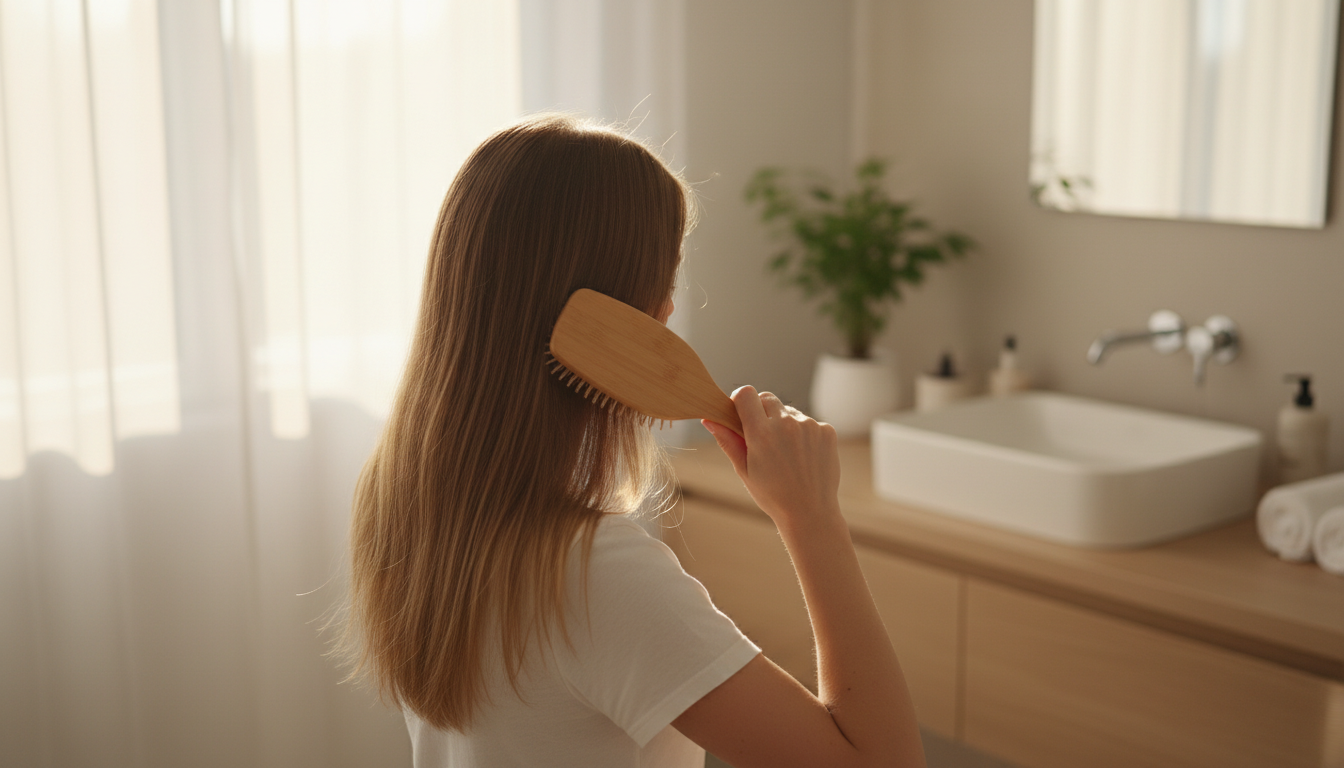
Your hairbrush might be breaking your hair without you even realizing it. Many women with thin or fine hair come to us frustrated, noticing more strands in the shower drain or weaker locks that seem to thin out faster. The truth is, using the wrong brush can tug, pull, and snap fragile strands, mimicking the signs of hair loss and making your hair look even sparser. But don't worry—picking the best hair brush for thin hair isn't complicated. In this guide, we'll walk through why your brush matters, the top choices for different hair types and needs, and simple habits to keep breakage at bay. By the end, you'll know exactly what to look for and how to incorporate gentle brushing into your routine for stronger, fuller-looking hair.
Why brush choice matters (damage vs gentle care)
Imagine starting your day with a brush that feels like a gentle massage on your scalp, leaving your hair smooth and tangle-free. Now picture the opposite: a stiff brush yanking at your strands, causing snaps and fallout that adds up over time. For women with hair concerns, especially thin or fragile locks, this difference is huge.
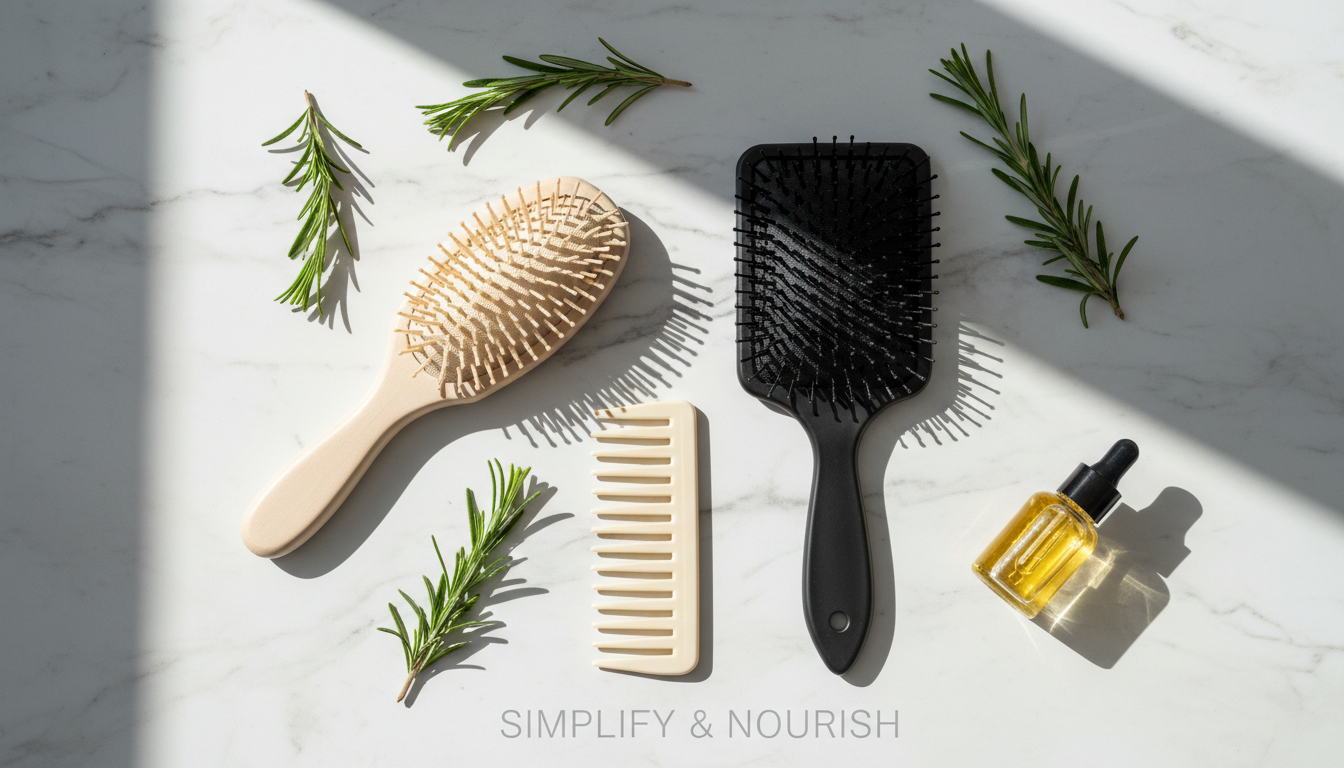
In our experience chatting with countless women, the wrong brush often leads to unnecessary damage. Harsh bristles can pull out more hair than normal brushing would, creating breakage that looks a lot like thinning or shedding. On the flip side, a well-chosen brush supports gentle detangling, distributes natural oils for shine, and even stimulates the scalp to potentially encourage healthier growth. For more insights on maintaining overall hair health, check out our post on hair-healthy habits to start today.
Think about it—your hair is already delicate if it's fine or prone to fallout. A brush with soft, flexible bristles glides through without stress, while one that's too dense or rigid creates friction and tears. Many notice less fallout in just a week of switching. To keep it practical, always start from the ends and work up, using short, light strokes. Pair this with a nourishing serum like Medyko's Grow & Glow, which can help fortify strands against daily wear. Choosing wisely isn't just about style; it's a simple step toward less breakage and more confidence in your hair's health.
For fine/thin hair: Soft bristle brushes
Soft bristle brushes are often the best hair brush for thin hair because they minimize pulling and breakage. We've seen so many women transform their routine by swapping out old favorites for these gentler options.
Look for brushes with nylon or soft plastic bristles that bend easily—nothing too stiff. These allow you to detangle without yanking, which is key for fine strands that snap under pressure. A classic soft-bristle brush works wonders on dry hair, helping to smooth without adding volume loss.
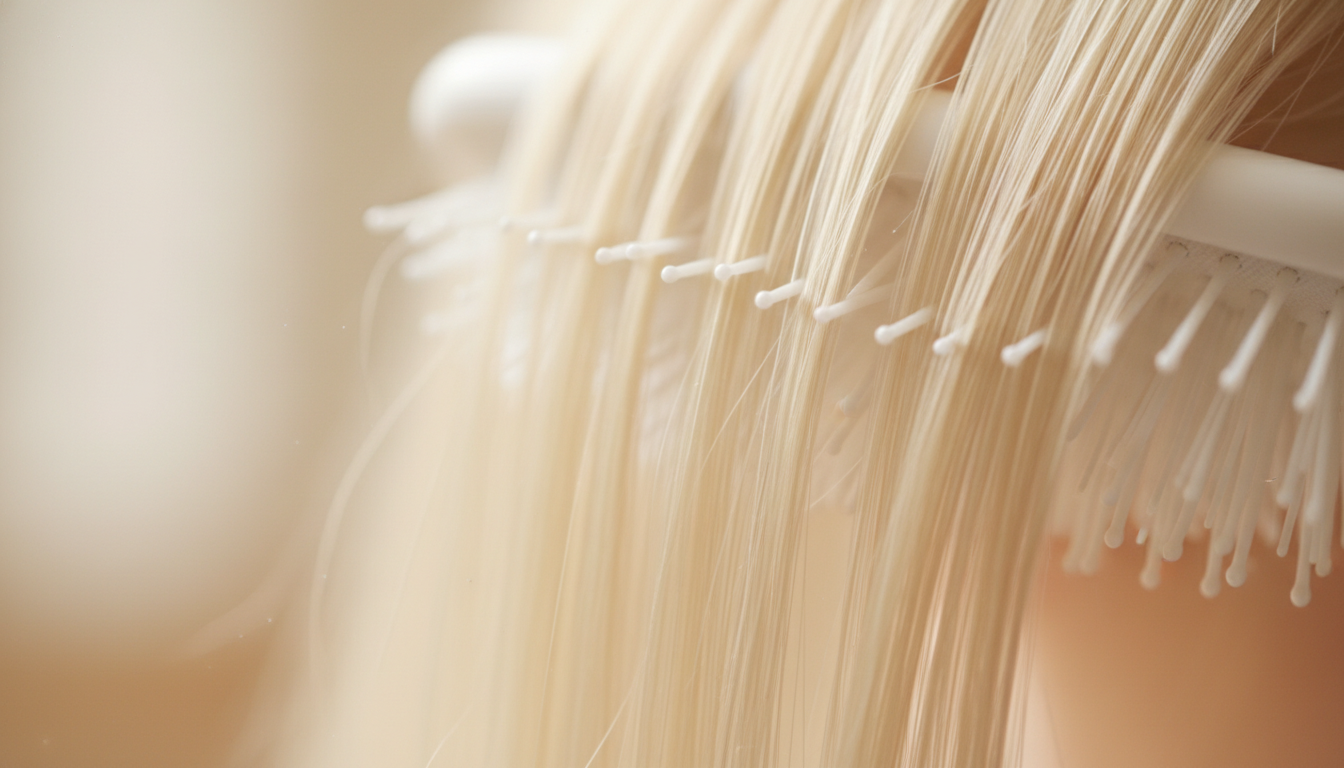
For added versatility, try one with flexible pins set in a cushioned pad; they conform to your scalp and won't tug roots. Many women with thin hair tell us this reduces the 'flyaway' look while keeping things light.
Vented brushes shine during blow-drying. The holes let air flow through, speeding up drying and reducing heat exposure that can weaken thin hair. Opt for a smaller size to avoid overwhelming fine locks.
What to avoid? Steer clear of stiff, dense-bristled brushes—they're like sandpaper on delicate hair, leading to more splits and fallout. Start with 5-10 gentle strokes in the morning, and you'll likely notice less shedding. If your thin hair needs extra support, applying a lightweight growth serum beforehand can make brushing even smoother, helping strands stay resilient.
For thick/coarse hair: Wide-tooth comb (detangling)
Thick or coarse hair demands tools that can handle volume without fighting back. In our talks with women sporting these textures, a wide-tooth comb often emerges as the hero for detangling, preventing the knots that lead to breakage.
Start with a comb made of seamless plastic or wood—metal ones can snag and pull. Use it on wet hair after conditioning; the wide spacing glides through dense strands, separating them gently. Many find this cuts detangling time in half while keeping curls intact.
For smoothing, a paddle brush with sturdy, spaced-out bristles is ideal. Its broad, flat head covers more ground, making it perfect for long, thick hair. The flexible bristles massage the scalp without overwhelming coarse textures.
Build quality matters here—choose brushes with strong handles and reinforced pins to withstand the pull of heavier hair. Women with coarse locks often share how these tools reduce frizz and split ends over time.
Thick hair can tolerate slightly denser bristles than thin types, but always go for rounded tips to avoid scalp irritation. Detangle in sections: part your hair, comb from ends up, and repeat. This method supports overall hair health by minimizing stress on follicles. If breakage persists, incorporating a strengthening serum can add that extra layer of protection during your routine.
For curly/coily hair: Wide-tooth comb only
Curly and coily hair thrives on minimal manipulation, and that's where a wide-tooth comb rules supreme. From our experience, women with these patterns swear by this tool to preserve their beautiful curls without disruption.
Skip regular brushes entirely—they break the curl pattern, leading to frizz and fallout that makes hair look thinner. Instead, opt for a wide-tooth comb with smooth, rounded teeth. The best ones are lightweight and ergonomic, fitting easily into shower routines.
Fingers are often the best 'brush' for detangling. Apply conditioner generously, then use your fingers to separate strands section by section. This gentle approach maintains definition and reduces breakage by up to 50%, as many curl enthusiasts report.
For coily hair especially, detangle only in the shower with conditioner on—wet, slippery strands are less prone to snapping. Start at the ends, working up slowly, and never force through knots.
Avoid anything with close bristles; it compacts coils and causes tension at the roots. Post-shower, let hair air-dry or use a microfiber towel to scrunch, preserving moisture. Women with curls often notice healthier, bouncier hair after ditching harsh tools. To boost resilience, a curl-friendly serum applied during detangling can help lock in hydration and support growth without weighing down your coils.
Wet hair brushes: Wet Brush (flexible bristles)
Brushing wet hair with a regular tool is a recipe for disaster—strands are at their weakest, stretching up to 30% and snapping easily. That's why specialized wet hair brushes like the Wet Brush with flexible bristles are game-changers.
These brushes have soft, pliable bristles that glide through damp hair without tugging. In our conversations, women rave about how it cuts post-shower shedding dramatically. The IntelliFlex bristles bend to release tension, making detangling effortless even on knots.
Another standout is the Tangle Teezer, with its unique two-tiered design. The longer teeth detangle deeply, while shorter ones smooth—perfect for all hair types, but especially helpful for thin or fragile wet locks.
Always brush gently from ends to roots, in small sections, right after conditioning. This prevents the breakage that can mimic thinning over time. Many notice their hair feels stronger after a few weeks of this habit. For additional tips on managing wet hair, see our guide on how to air-dry hair without looking messy.
Pro tip: Use on semi-dry hair too, for touch-ups. Avoid metal combs or stiff brushes on wet hair—they pull too hard. Pairing this with a hydrating serum ensures your strands are fortified against daily stress, promoting a healthier scalp and less fallout overall.
📊 Not sure what's causing your hair concerns?
Take our 2-minute Hair Analysis Quiz to get personalized product recommendations based on your unique hair type, scalp condition, and lifestyle.
Start your free hair analysis →

Round brushes for blow-drying: Small barrel
Blow-drying with the right round brush can add volume and shine without the damage, but size matters. For short hair or tight curls, a small barrel (1-1.5 inches) is the best hair brush for thin hair types needing lift.
The compact size grips roots easily, creating bounce without overwhelming fine strands. Ceramic or tourmaline barrels are ideal—they distribute heat evenly, reducing hot spots that weaken hair.
For most lengths, a medium barrel (2 inches) offers versatility. It smooths while adding subtle wave, perfect for shoulder-length thin hair. Women often share how this prevents flatness post-dryer.
Large barrels (over 2 inches) suit long hair or loose waves, providing tension for sleek styles. But for thin hair, stick smaller to avoid pulling.
Technique: Section hair, roll under the brush while drying from roots out, keeping heat moving. Use low settings and a protectant spray. This method minimizes breakage and can even stimulate circulation for better health. If your thin hair needs extra support during styling, a lightweight growth serum beforehand helps strands withstand the heat.
Paddle brushes: Detangling dry hair
Paddle brushes are like a spa treatment for dry hair—broad and efficient for quick detangling and smoothing. Their flat design with flexible, spaced bristles covers large areas gently, making them a favorite for long or medium lengths.
For thin hair, choose one with soft pins to avoid overload. It glides through, distributing oils from roots to ends for natural shine. Many women with fine hair notice less static and flyaways after switching.
Use it for smoothing blowouts or pre-styling prep. Start at the ends, working up in light passes—never force. This reduces tangles that lead to snaps, especially on dry, fragile strands.
For quick styling, it's unbeatable: a few strokes tame the whole head. Opt for cushioned pads for scalp comfort during longer sessions.
Avoid dense versions if your hair is very fine; they can mat sections. In practice, a 2-3 minute daily brush with a paddle can improve texture over time. Combine with gentle care products to enhance resilience and keep breakage low, supporting overall hair vitality.
Boar bristle brushes: Natural bristles
Boar bristle brushes bring a touch of luxury with their natural bristles, mimicking your hair's texture for seamless blending. They're great for distributing scalp oils down the shaft, adding shine and smoothness without products.
Pros: They polish hair gently, reducing frizz and enhancing health—ideal for thin or dry types needing moisture. Many women report softer, glossier locks after consistent use.

Cons: They can be pricier, require regular cleaning to avoid buildup, and take longer since bristles grab more. Not ideal for very wet or tangled hair; save for dry polishing.
For thin hair, mix with nylon-tipped boar for added detangling power without pull. Brush in sections, 5-10 strokes per area, focusing on mid-lengths to ends.
This tool shines in evening routines, pre-bed for oil distribution. Over time, it can help thin hair look fuller by improving condition. If oils aren't enough, a nourishing serum like Medyko's Grow & Glow can amplify benefits, fostering stronger strands from within. For more on protecting your hair during sleep, read our article on how to protect hair at night.
When to replace your brush
Your favorite brush won't last forever, and holding onto a worn one can do more harm than good. Signs it's time: bent or broken bristles that no longer flex, snagging hair instead of gliding.
Look for buildup that won't clean off—residue harbors bacteria, leading to scalp issues and dullness. If the pad cracks or handle loosens, it's unsafe and ineffective.
Quality brushes last 6-12 months with care, but thin hair users might need sooner if daily use causes faster wear. In our experience, women who replace proactively see less irritation and fallout.
To check: Run your fingers through—bristles should spring back evenly. For vented types, ensure holes aren't clogged.
When shopping new, invest in durable materials like acetate or reinforced plastic. This habit alone prevents hidden damage. Tie it to your routine: Inspect monthly, replace as needed, and pair with clean tools for optimal hair health.
Cleaning your hair brush
Cleaning your hair brush keeps it hygienic and effective, preventing buildup that transfers to your strands. Start simple: Remove loose hair weekly—use a comb or scissors to pull it out, then shake over a trash bin.
For a deeper clean, wash monthly: Soak in warm water with your shampoo (or mild soap) for 10-15 minutes. Scrub bristles gently with an old toothbrush, focusing on the base. Rinse thoroughly and air-dry upside down on a towel.
Boar bristle types need extra care—avoid soaking; just wipe and comb out debris. Vented brushes: Focus on holes to clear residue.
Many women overlook this, leading to oily scalps or infections. A clean brush glides better, reducing pull on thin hair. Pro tip: Disinfect quarterly with diluted vinegar for freshness.
This 5-minute task monthly supports gentle care, minimizing breakage. Clean tools + a supportive serum routine can make your hair feel revitalized.
Frequently asked questions
What's the best hair brush for thin hair to prevent breakage?
For thin hair, soft bristle or vented brushes with flexible pins are ideal. They detangle gently without pulling, reducing snaps. Many women notice less fallout after switching—start from ends and use light strokes daily for best results.
Can using the wrong brush cause hair loss?
Not true hair loss, but it can cause breakage that looks like thinning. Harsh brushes tug fragile strands, mimicking shedding. Opt for gentle tools and proper technique to protect your hair's health over time.
How often should I replace my hair brush?
Every 6-12 months, or sooner if bristles bend or buildup persists. Worn brushes snag hair, worsening damage. Regular checks keep your routine safe and effective for stronger strands.
Is a boar bristle brush good for fine hair?
Yes, but choose one with mixed nylon tips for detangling. It distributes oils for shine without overwhelming thin locks. Use on dry hair for polishing—many find it adds subtle volume.
Should I brush wet hair?
Only with a wet-specific brush like the Wet Brush. Regular ones cause breakage on stretched wet strands. Detangle gently post-shower with conditioner for minimal stress.
What's the difference between paddle and round brushes?
Paddle brushes are flat for quick detangling and smoothing dry hair. Round ones add volume during blow-drying, with barrel size varying by length. Both can suit thin hair if bristles are soft.
How do I clean my hair brush properly?
Remove hair weekly, then soak in shampoo and warm water monthly. Scrub and dry fully. This prevents bacteria and keeps bristles effective, supporting healthier brushing habits.
Can brushing help with hair growth?
Gentle brushing stimulates scalp circulation, which may support follicle health. It doesn't 'grow' hair but reduces breakage for fuller appearance. Combine with a growth serum for better results.
What brush for curly hair to avoid frizz?
Stick to wide-tooth combs or fingers with conditioner. Avoid bristle brushes—they disrupt patterns. Detangle in the shower for defined, breakage-free curls.
Are expensive brushes worth it for thin hair?
Quality ones with flexible, durable bristles often are—they last longer and reduce damage. Start with mid-range options focused on softness for noticeable improvements in hair strength.
Key takeaways
- Choose soft, flexible bristles for thin hair to minimize breakage and promote gentle care.
- Detangle from ends to roots, using light strokes to avoid pulling fragile strands.
- Replace brushes every 6-12 months and clean weekly for hygiene and effectiveness.
- For wet hair, use specialized tools like the Wet Brush to prevent snaps during vulnerable times.
- Incorporate a growth serum like Medyko's Grow & Glow for added strand support during brushing.
- Match brush type to your hair texture—wide-tooth for curls, vented for blow-drying thin locks.
- Gentle daily brushing stimulates scalp health, helping your hair look fuller and stronger over time.