
How to Air-Dry Hair Without Looking Messy · Medyko Team

How to air dry hair without looking messy: Pro tips for every texture
Tired of heat tools ruining your hair?
Air-dried hair doesn't have to look messy. Here's how to make it look salon-worthy without the blow-dryer drama. I've helped so many women deal with their post-shower hair, and I get how annoying it is to end up with frizzy, limp, or uneven results. But air-drying is one of the best ways to protect your hair from heat damage. That can weaken follicles and slow growth over time. In this guide, we'll cover why it's worth trying and share easy techniques that work for different textures and fit your busy routine. By the end, you'll know the steps to get polished, healthy hair that moves naturally.
Why air-drying is better (no heat damage)
Let's get to the basics: why choose air-drying when your blow-dryer is right there? A lot of women I talk to love heat styling for that quick polish, but it has a downside. Heat tools dry out your hair, which leads to breakage and split ends. Strands end up looking thinner and feeling brittle. Over time, all that exposure weakens the hair shaft and stresses the scalp. It can even slow down natural growth cycles.
Air-drying gives your hair a chance to recover. It keeps the natural oils that hydrate and strengthen strands, so you cut the risk of damage that might make thinning worse. From what I've seen with clients, those who skip heat say their hair feels softer and looks fuller after just a few weeks. It's also good for the planet and saves time. No waiting for tools to heat up or cool down. For more on avoiding common pitfalls that can worsen thinning, check out our post on hair care mistakes that make thinning worse.
Air-drying isn't ideal for everyone every day. High humidity can make frizz worse, but good prep helps keep it under control. The main thing is to work with your hair's natural texture and support its health. If you're using treatments like our Medyko Grow & Glow Serum, air-drying lets those ingredients do their job without heat getting in the way. It's like a gentle reset for your hair. Healthier now means stronger growth later.
The right products for air-drying
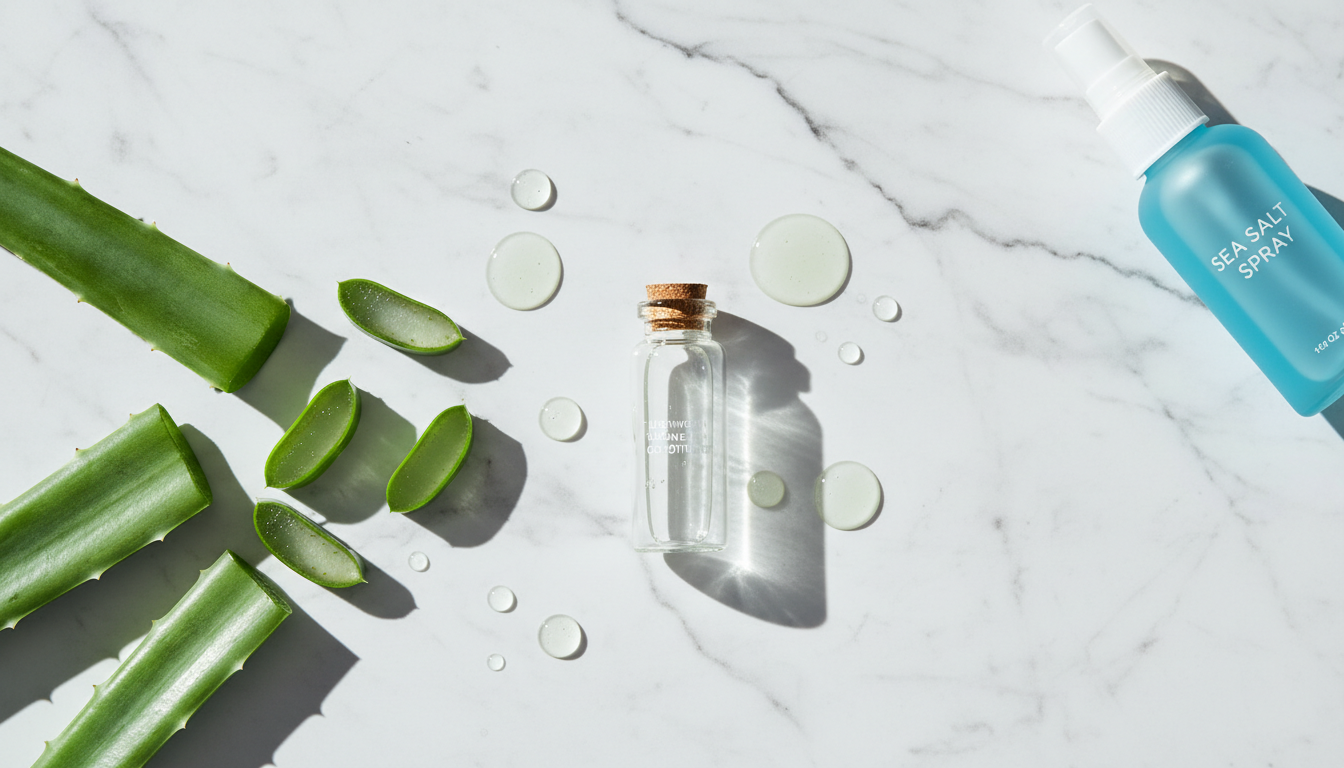
Leave-in conditioner (hydration): Begin with something to fight dryness. After your shower, squeeze out extra water gently, then put leave-in conditioner on from mid-lengths to ends. Go for lightweight ones with aloe or hyaluronic acid. They hold in moisture without making hair heavy. Lots of women say this step cuts frizz in half by itself.
Mousse or foam (hold without crunch): For some structure, a lightweight mousse gives bounce without stiffness. Use about a golf-ball-sized amount on damp hair, and focus on the roots for volume. It works well for fine hair that goes flat.
Sea salt spray (texture): For a beachy look, sea salt spray adds grit and definition. Spritz it lightly on damp strands and twist sections for easy waves. Don't use too much, or it might dry out your hair. Balance it with conditioner.
Curl cream (for wavy/curly): If your hair bends naturally, curl cream defines it without crunch. Rub a dime-sized amount between your palms and rake it through from roots to tips. Peptides in products like our Medyko Grow & Glow Serum support follicle health here. They improve texture and build strength.
In real life, stick to 2-3 products at most to avoid buildup. Test it on a small section first. Your hair will come out smoother and easier to manage.
Post-shower application technique
The key to good air-dried hair happens right after your shower. Towel-drying too roughly is a big mistake. It causes friction that leads to frizz and breakage. Wrap your hair in a microfiber towel or old T-shirt instead, and leave it for 5-10 minutes to soak up water without rubbing.
Apply products to soaking wet hair next. Damp strands take them in better, so they spread evenly for hold that lasts all day. Divide your hair into 4-6 sections (clips help if you need them) and work from the bottom up. Start with leave-in conditioner, then add things like mousse or salt spray. Use your fingers to comb through. Skip brushes for now, since they can mess up the cuticle. For tips on detangling without causing damage, see our guide on how to detangle hair without breakage.
Don't touch your hair as it dries. Fiddling breaks the hydrogen bonds that shape it naturally, and that causes frizz. Let it air out while you do your makeup or get dressed. Women I've talked to who do this say their hair sets better and stays in place longer, with less work.
Pro tip: On humid days, finish with a light oil on the ends to seal the cuticle. This sets up any method you use next. It turns what could be a mess into polished waves or sleek strands.
Scrunching method (for waves)
If your hair has a natural wave, scrunching gives you defined, bouncy texture without heat. After products on damp hair, flip your head upside down and cup sections at the ends. Scrunch upward toward your scalp gently, squeezing out water and encouraging the S-shape.
Do 2-inch sections, starting at the nape and going up. A curl-enhancing cream adds grip. Many people say their waves stand out more with it. For fine hair, keep it light to avoid limpness.
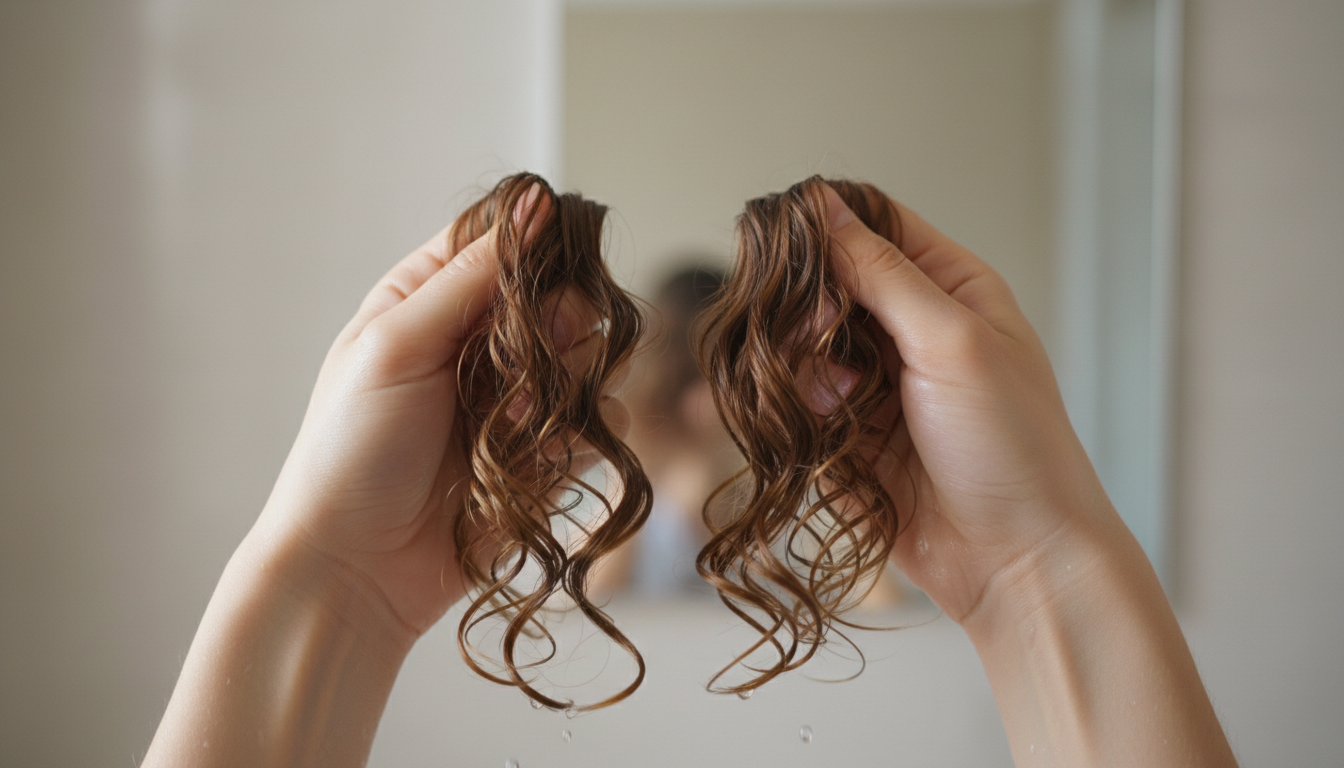
Once you're done, don't touch it until it's about 70% dry. Then, scrunch again to get rid of any crunch. Women with second-day waves tell me this revives their style easily and adds root volume.
Do it in a spot with good air flow for the best results. If waves fall flat, you could diffuse on low, but air-drying keeps hair healthier. This often makes wavy hair look fuller and more vital.
Smoothing method (for straight)
Straight hair can get limp or poofy when air-dried, but smoothing keeps it sleek and shiny. After products on wet hair, run your fingers or a wide-tooth comb through from roots to tips. That detangles and aligns the strands.
To seal the cuticle, rinse the ends with cool water after products. It lays down the outer layer and cuts frizz. Gather hair into a loose ponytail at the nape and let it hang as it dries. This helps with flyaways.
For shine, put a drop of argan oil on your palms and smooth it over the lengths. Straight-haired clients say this gives a soft, swingy look that holds up all day. Skip tight ponytails, since they crease hair.
If you need volume, clip roots upward (we'll cover that soon). This method takes little effort and saves straight hair from heat's flattening. It stays healthy and bouncy.
Plopping method (for curly hair)
Curly hair folks, the plopping method boosts definition and shortens dry time. After curl cream or gel on soaking wet hair, lay a cotton T-shirt flat on a table. Flip your head onto it with roots centered, then wrap the shirt around like a turban and clip it in place.
Leave it for 20-40 minutes. It pulls out extra water and sets curls without gravity messing them up. Scrunch underneath gently if you want. People with type 3 curls say it cuts frizz and adds bounce a lot.
Unwrap and let it air-dry the rest of the way. For more, try pineapple (a loose top ponytail) overnight. This keeps the curl pattern and reduces handling that leads to shrinkage or poof.
Use hydrating products to fight dryness. Curly hair needs moisture to thrive. It's a real changer for getting salon curls at home, and it's easy on the strands.
📊 Not sure what's causing your hair concerns?
Take our 2-minute Hair Analysis Quiz to get personalized product recommendations based on your unique hair type, scalp condition, and lifestyle.
Start your free hair analysis →
Clips for volume
Flat roots messing up your air-dried style? Duckbill clips give instant lift. On damp, product-applied hair, take the top layer (from ear to ear) and clip small pieces upward at the roots, about 1-2 inches from the scalp.
Use 4-6 clips, pointing toward the crown for volume all over. Let it dry completely before taking them out. Pull gently to skip creases. Women with fine hair love how this adds body that lasts, without teasing.
For waves or curls, clip after scrunching. For straight, after smoothing. It's great right after a shower when hair feels heavy. This trick makes air-drying feel fancy.
The "air dry cream" category (worth the investment)
Air-dry creams are multitaskers that hydrate, define, and protect all at once. These light formulas replace several products and often have UV filters to block environmental damage.
Put a pea-sized amount on damp hair and emulsify it well before spreading. They suit all textures. Straight hair gets smooth, wavy or curly gets hold. From what I've seen, spending $20-30 on a good one means less frizz and simpler routines.
Check for shea butter for moisture or polymers for hold. Our Medyko Grow & Glow Serum goes well with it, adding peptides for follicle support. Skip if your hair is very fine. Go for serums then. It's worth it on busy days when you want easy.
Overnight air-drying
Braids for waves: Split damp hair into 2-4 sections and braid loosely. Sleep on a silk pillowcase to cut friction. You wake up with soft waves.
Loose bun for volume: Twist into a high, messy bun with a scrunchie and secure it loosely. This lifts roots without creases.
A silk pillowcase is a must. It reduces breakage and tangles. Many women say overnight drying is gentler, especially for long hair. Spritz with water in the morning to refresh. For more tips on safeguarding your strands while you sleep, read our article on how to protect hair at night. It protects as you sleep and helps growth.
When to give up (humidity days, need style)
Air-drying works great most days, but sometimes you have to switch. On humid mornings, frizz might take over. Use a diffuser or quick blow-out with heat protectant then. For a sleek updo at work, use tools now and then.
Pay attention to your hair. On a bad texture day, a little styling won't ruin things. Balance matters. Limit heat to once a week. This keeps your routine doable.
For different hair types
Fine/straight: Go for root volume with clips and lightweight mousse. Skip heavy products to avoid limpness.
Wavy: Boost with scrunching and salt spray for beachy texture.
Curly: Define with plopping and curl cream. Focus on moisture to beat frizz.
Adjust techniques to your type for the best outcome. Try things out to see what fits.
Timing (how long it takes)
Air-drying takes patience. Fine hair might need 1-2 hours. Thick or curly can go up to 4-6. Humidity or length changes it. Shorter hair dries quicker.
Speed it up by squeezing water out gently or using a fan on low. Overnight ways cut daytime wait. Keep track of your routine to guess timing better. It makes things smoother.
Frequently asked questions
Can air-drying really damage my hair less than blow-drying?
Yes. Skipping heat keeps natural oils and cuts breakage. Many women get stronger, shinier hair after doing it regularly. Add protective products for even better outcomes.
What if my hair frizzes a lot when air-dried?
Frizz usually comes from rough handling or dryness. Put leave-in conditioner on wet hair and don't touch it while drying. In humid weather, light oil on ends seals it well.
Is air-drying good for hair growth?
It helps growth by cutting heat stress on follicles. Gentle scrunching improves scalp circulation. Use serums with it for nourished, healthier strands.
How do I add volume to fine hair when air-drying?
Clip roots on damp hair and use volumizing mousse. Flip your head while applying for lift. It adds body without weighing it down.
Can I air-dry curly hair without it looking poofy?
Sure. Plop with a T-shirt and use curl cream. Scrunch gently to define. You get bouncy, frizz-free curls that hold.
What's the best product combo for straight hair?
Leave-in conditioner for smoothness and a bit of serum for shine. Smooth with fingers to align strands. No brushes.
How often should I air-dry vs. use heat?
Try 4-5 air-dry days a week to protect hair. Save heat for special times, with protectant to keep balance.
Does overnight air-drying work for all lengths?
It works, especially for medium to long hair. Braids or buns stop tangles. Silk cuts friction overnight.
What if I have to style quickly in the morning?
Prep the night before with loose braids or a bun. Refresh with water and products fast for a polished look.
Can air-dry creams replace all my products?
Often, for easy routines. They hydrate and style together. Test to make sure it fits your texture without buildup.
Key takeaways
- Switch to air-drying most days to protect hair from heat damage and build natural strength.
- Apply products to soaking wet hair and skip touching it while drying to cut frizz.
- Use techniques like scrunching for waves or plopping for curls that match your texture.
- Clip roots for volume that stays without teasing.
- Try overnight methods with a silk pillowcase for easier drying.
- Get versatile air-dry creams for a simple, all-in-one routine.
- Mix air-drying with occasional heat, always with protectants for healthy hair.