
How Often Should You Wash Your Hair? (Based on Hair Type) · Medyko Team

How often to wash hair: Ditch the 3-day rule for your best routine

Tired of the '3-day rule' messing with your hair?
Hey, if you've ever felt bad about washing your hair every day or wondered why it looks dull even when you follow that every-three-days schedule, you're not by yourself. Lots of women I chat with get frustrated because generic advice doesn't work for them. The real deal is that how often to wash hair comes down to your hair type, scalp health, daily habits, and signals from your body. Here, we'll drop the myths and talk straight about creating a routine that suits you. You'll get simple steps to keep your scalp clean and even, so your hair does well— and maybe soaks up treatments like our Grow & Glow Serum even better.
The 'no right answer' truth (It depends on multiple factors)
Let's get to it: no single number fits everyone for how often to wash hair. That common every-three-days rule? It causes more problems than it solves, like greasy roots or a dry, itchy scalp. From talking to women with hair issues, I know personalization makes the difference. Things like your hair texture, scalp oiliness, how much you sweat each day, and even your water quality all matter a lot.
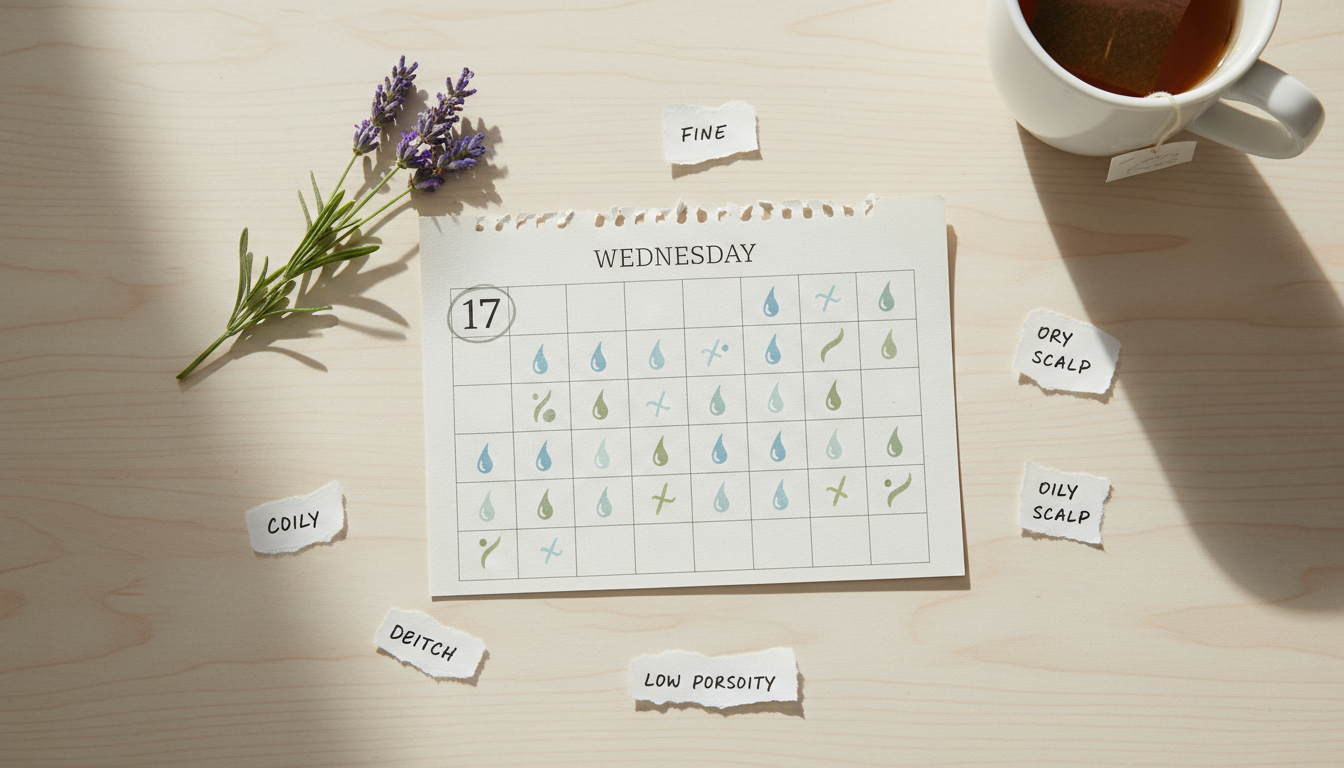
Picture this: fine, straight hair might need a daily wash to stay full, but thick curls can dry out quick from too much washing. Washing too often takes away natural oils and causes frizz or breakage. Not washing enough lets dirt and products pile up, blocking follicles. You want a clean, even scalp that helps hair grow strong without any hassle. Try watching your hair for a week: jot down when it gets greasy, itchy, or heavy. Use that as your starting point. Tweaking from there can change everything, and you'll soon feel your hair lighter and brighter. For a deeper dive into building a solid foundation, check out our guide on the ultimate hair care routine for healthy hair growth.
By hair type
Fine/thin hair: Daily to every other day (It's okay to wash more!)
With fine or thin hair, it gets oily fast since the strands don't hold oils well—they slide down quick and flatten everything. Women with this hair type often say a daily wash keeps it bouncy. Go for a gentle shampoo that adds volume so you don't strip too much. Every other day works if you can, but a quick rinse on other days is fine too.
Thick/coarse hair: 2-3 times per week
Thick or coarse hair stands up to things better and keeps oils longer, so washing too much dries it out and brings on frizz. Wash twice or three times a week with something moisturizing. On off days, try a co-wash with just conditioner to freshen up without full soap. That way, your hair stays strong and soft.
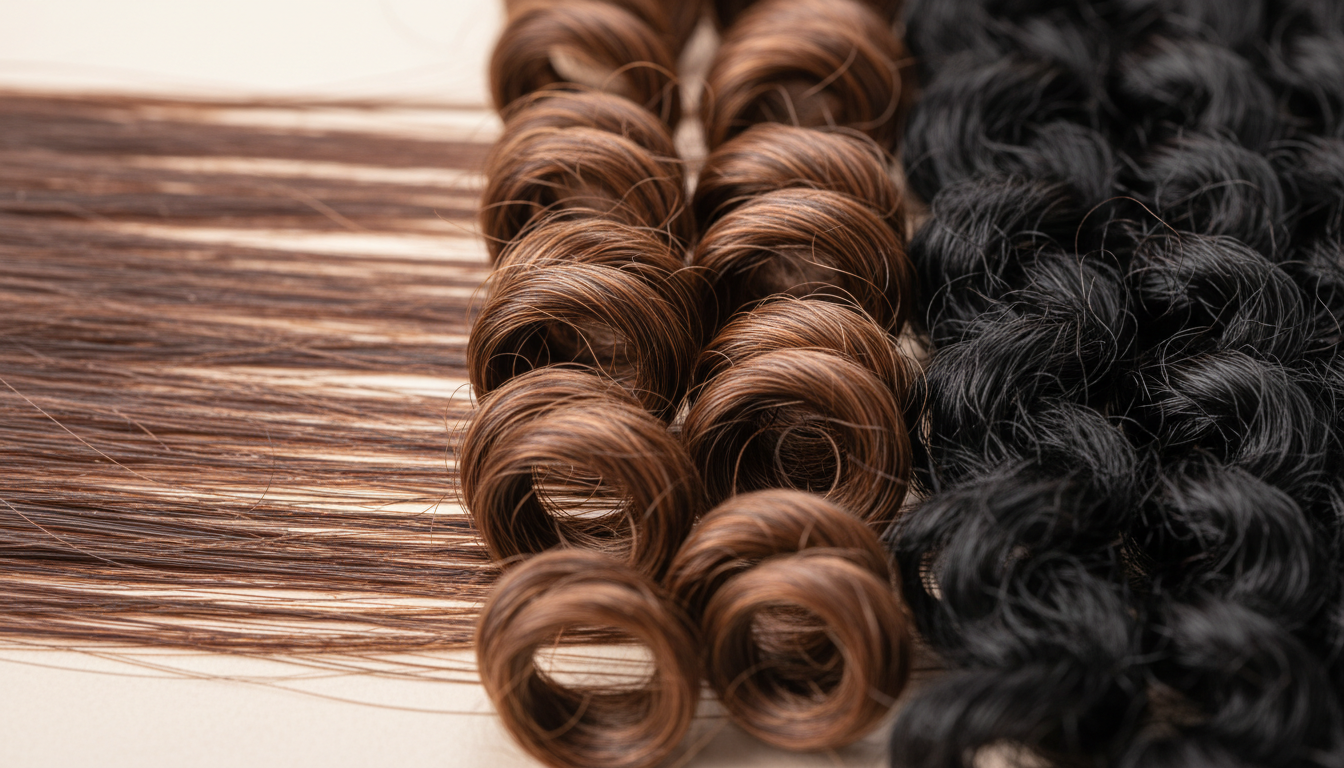
Curly/coily hair: 1-2 times per week
Curly and coily hair needs its natural oils to look defined and shiny, so washing often breaks that down. Stick to once or twice a week with a sulfate-free shampoo aimed at the scalp. Use water sprays or leave-in conditioners during the week to keep curls bouncy without gunk building up.
Wavy hair: 2-4 times per week
Wavy hair sits in between: it gets oily but can dry out from extra washes. Every 2 to 4 days fits most people, based on the wave. Use warm water and put light conditioner just on the ends. This stops roots from going flat while keeping waves nice and soft.
By scalp type
Oily scalp: Daily washing is fine
If your scalp gets oily fast, it makes sebum nonstop, so roots turn greasy by day two. A daily wash with a clarifying shampoo controls that without drying things out too much: focus on the scalp, skip the lengths. Active women I know love this to stop buildup and help treatments sink in better.
Dry scalp: 2-3 times per week
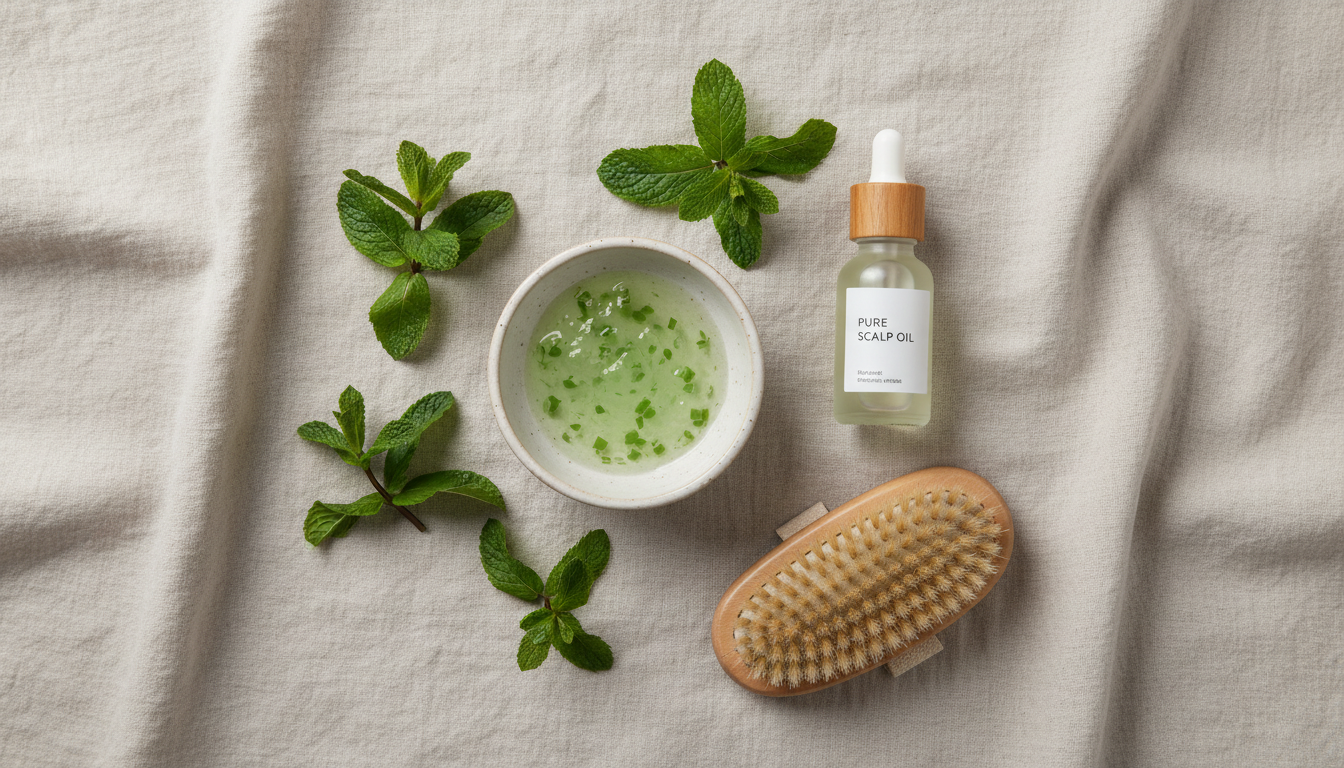
A dry scalp gets flaky and itchy if you wash too much, so do it twice or three times a week. Pick hydrating, mild cleansers and always follow with conditioner. For really dry spots, add scalp oil before washing to ease it.
Balanced scalp: Every 2-3 days
If your scalp stays even, it handles oils well. Washing every other day or every three days keeps it good. Keep an eye out for shifts; things like hormones or weather can change it quick.
Sensitive scalp: Gentle, as needed
Sensitive scalps flare up easy, so wash when you need to, maybe every 3 to 4 days, with fragrance-free, gentle products. Skip hot water and rough scrubbing; pat dry soft. This cuts down on irritation while staying clean. For more tips on maintaining scalp health, take a look at our post on how to create a scalp care routine.
By lifestyle
Active/gym-goers: More frequent washing
If you work out, run outside, or sweat a lot, your scalp picks up extra. Sweat plus oils make gunk that blocks pores, so wash every 1 to 2 days after. Grab a fast shampoo made for sweat and pull hair back during exercise to cut damage.
Office workers: Less frequent
Sitting at a desk means less sweat, so you can go every 2 to 3 days. That saves natural moisture for better shine. Dry shampoo on the second day soaks up oils without a full wash.
Swimmers: Special care needed
Chlorine and pool stuff dry hair out and make color fade quick. Rinse with fresh water before and after swims, then wash 2 to 3 times a week with a chelating shampoo to clear residues. Add a deep conditioner after to bring back moisture; it stops breakage.
Signs you're washing too much
Washing too often sneaks up on you: it seems clean at first, but your hair pushes back. Look for a tight, dry scalp after washing, like it's stretched, or more flakes than usual dandruff. Hair can turn frizzy and brittle, with split ends showing up sooner. If color-treated hair loses color fast or feels like straw, that's a sign.
Women I talk to often find out they're taking oils away too hard, so the scalp makes more to catch up—a bad loop. To fix it, spread out washes and use softer products. Try co-washes or oil treatments to give your scalp rest; in a week, you might see less bother and tougher hair. A clean but not bare scalp takes in nutrients better for overall health.
📊 Not sure what's causing your hair concerns?
Take our 2-minute Hair Analysis Quiz to get personalized product recommendations based on your unique hair type, scalp condition, and lifestyle.
Start Your Free Hair Analysis →
Signs you're not washing enough
The other way, going too long without washing causes problems. Constant itch or a weird smell means buildup: dead skin, oils, and products holding bacteria. Greasy roots make hair flat and limp, and you might see flakes or pimples along the hairline from blocked follicles.
I hear from women who figured less washing meant more moisture, but it left hair dull and heavy. The answer is to pay attention to these hints and bump up washes a bit. Do a clarifying wash once a week to start over, then keep a schedule that stays fresh without drying. Staying balanced stops these troubles and lets hair feel free.
Dry shampoo guide
How to use properly:
Dry shampoo saves the day for stretching out washes, but get it wrong and it adds to gunk. Spray it at the roots on dry hair, wait 2 minutes, then rub it in with your fingers or a brush. Hit the oily parts: don't spray the ends too much, or they dry out.
When it helps vs hinders:
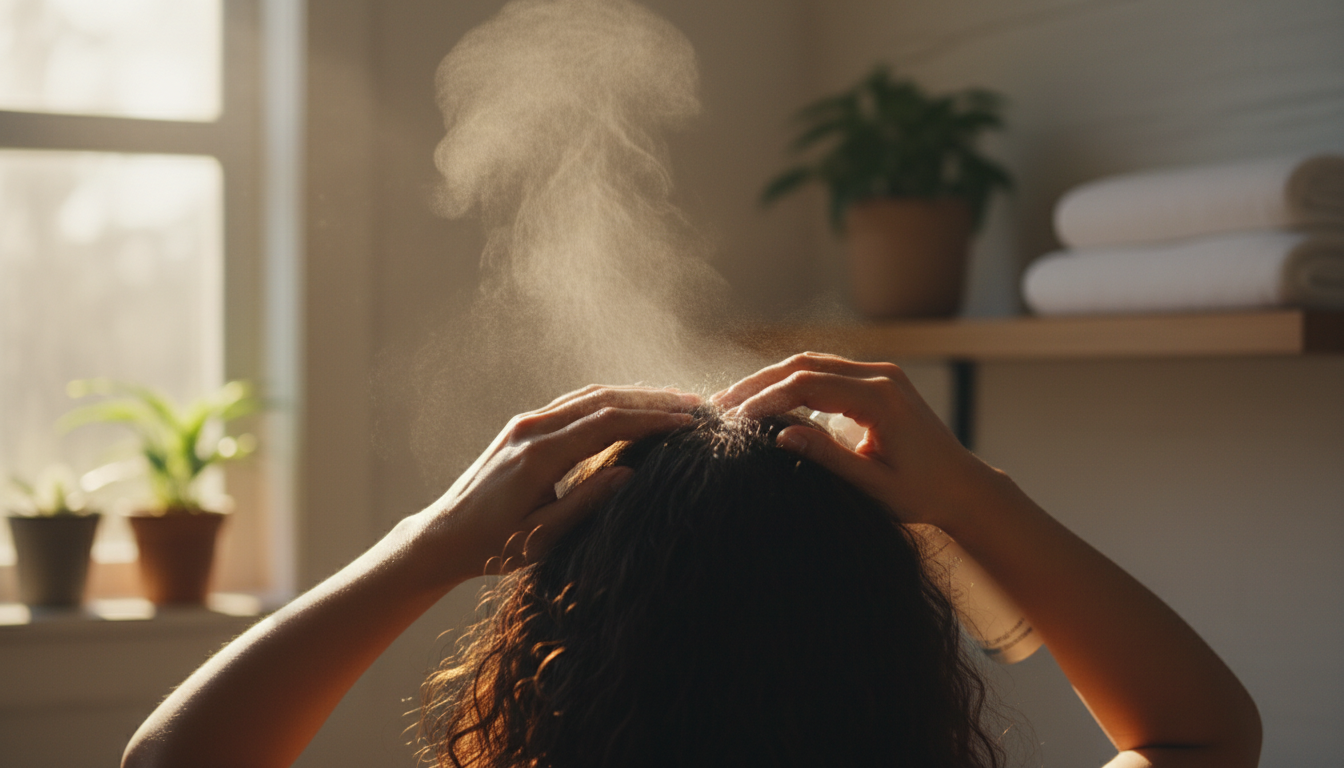
It's great for busy days or trips, soaking oils for a clean feel. But using it every day over time can build up and bother sensitive scalps. Use it 1 to 2 days between washes; it's not for folks who need a deep clean often.
Not a replacement for washing:
See it as a quick fix: good for now, but real washing clears what it misses, like sweat or leftover product. Mix in water rinses to keep balance. Tip: Pick natural kinds to skip rough chemicals.
Water temperature matters
Hot water feels good, but it hurts hair: it opens cuticles and pulls oils, causing dry and faded color. Use lukewarm for the wash; it cleans well without the shock. End with cool water to close cuticles, which adds shine and makes it smooth.
Lots of women say their hair feels softer after a cool rinse, and it helps with knots too. If your water has lots of minerals, a filter stops buildup. This easy change can make your routine better and hair tougher.
Thin hair exception
Thin hair works different: it gains from more washes since extra oils make it look flatter. Daily or every other day lifts roots and builds volume. But pick super gentle shampoos without sulfates to skip dryness coming back.
Women with thin hair tell me it looks fuller when they wash often but condition light. Add volumizing mousse for more lift. If hair's getting thinner, regular washing keeps the scalp clean so treatments like Grow & Glow Serum reach the roots better. For additional styling tips, see our article on the perfect ponytail for thin hair.
Your personalized washing schedule
Want to make your own? Mix the factors: say you're wavy with an oily scalp and hit the gym daily, go every 1 to 2 days. Track it in a notebook: check oil, itch, and feel after 7 to 10 days, then tweak. If you're not sure, cut one wash a week and test with dry shampoo.
Seasons play in too: more washes in summer for sweat, fewer in winter for dry air. Check back each month. This custom way gives you control, cuts worry, and helps growth. A good routine means a healthy scalp set for serums.
Frequently asked questions
Is it bad to wash hair every day?
Not really: it depends on your type. For oily or fine hair, daily washes stop flatness and gunk. Use gentle stuff to avoid taking too much; many women say it keeps hair better without problems.
How often should I wash curly hair?
Curly hair does best with less: 1 to 2 times a week saves oils for shape. Freshen with water or co-wash in between to fight frizz without drying the curls.
Can over-washing cause hair loss?
Over-washing might help cause it by drying the scalp and making strands weak, which leads to breaks. It doesn't start loss but stresses roots; keep balance to help growth.
What's the best shampoo for frequent washing?
Go for mild, sulfate-free ones that clean soft. Find hydrating kinds with aloe or tea tree to calm and hold moisture, good for daily.
Does hard water affect washing frequency?
Yes, it leaves minerals that dull hair and need more clarifying. A shower filter helps, so you can keep your usual schedule.
How do I know if my scalp is oily?
Oily scalps have greasy roots by day one or two, with flat hair. After a wash, wait: if it gets slick quick, wash every other day.
Can dry shampoo replace washing?
No, it's just for soaking oil short-term but misses sweat or deep gunk. Use it light, 1 to 2 times between real washes, to skip leftover stuff.
Does washing temperature impact hair health?
Yes: lukewarm cleans right, cool rinses bring shine by sealing cuticles. Hot water dries and fades color; change it and texture gets better.
How often to wash color-treated hair?
Every 2 to 3 days with color-safe shampoo to hold color. Skip sulfates; it cuts fade while cleaning scalp without too much strip.
What if my routine changes with seasons?
Normal: summer might call for more washes from sweat, winter less from dry. Adjust by how it feels; staying flexible keeps hair even all year.
Key takeaways
- Tailor your washing to hair type, scalp, and lifestyle: no single rule fits all.
- Spot signs like itch or dry to adjust and skip too much or too little.
- Lukewarm water with cool rinses makes hair healthy and shiny without harm.
- Use dry shampoo smart as a helper, not the main thing, between washes.
- For thin hair, gentle often washes add lift and aid growth.
- Clean scalp takes in treatments like Grow & Glow Serum better.
- Check your schedule each month to match changes and keep hair strong.