
How Long Does Hair Grow in a Month? (And How to Maximize It) · Medyko Team

How fast does hair grow in a month? (And how to maximize it)

Ever wondered how fast does hair grow?
If you've ever stared at your hair in the mirror, wishing it would hurry up and reach that perfect length, you're not alone. Many women dream of faster growth, especially when planning a big chop or growing out layers. But here's the truth: hair grows about 1/2 inch (1.25 cm) per month on average—and you can't change that much. It's biology at work. The good news? You can control how much of that growth you keep by preventing breakage and supporting a healthy scalp. In this post, we'll break down the realities of hair growth, bust some myths, and share actionable steps to help you maximize every inch. Let's get into it so you can focus on what really works.
The average growth rate: 1/2 inch (1.25cm) per month
Let's start with the basics: how fast does hair grow, really? On average, your hair pushes out about 1/2 inch per month. That's roughly the length of a staple or the width of your pinky finger nail. For most women, this means around 6 inches a year if everything goes perfectly.
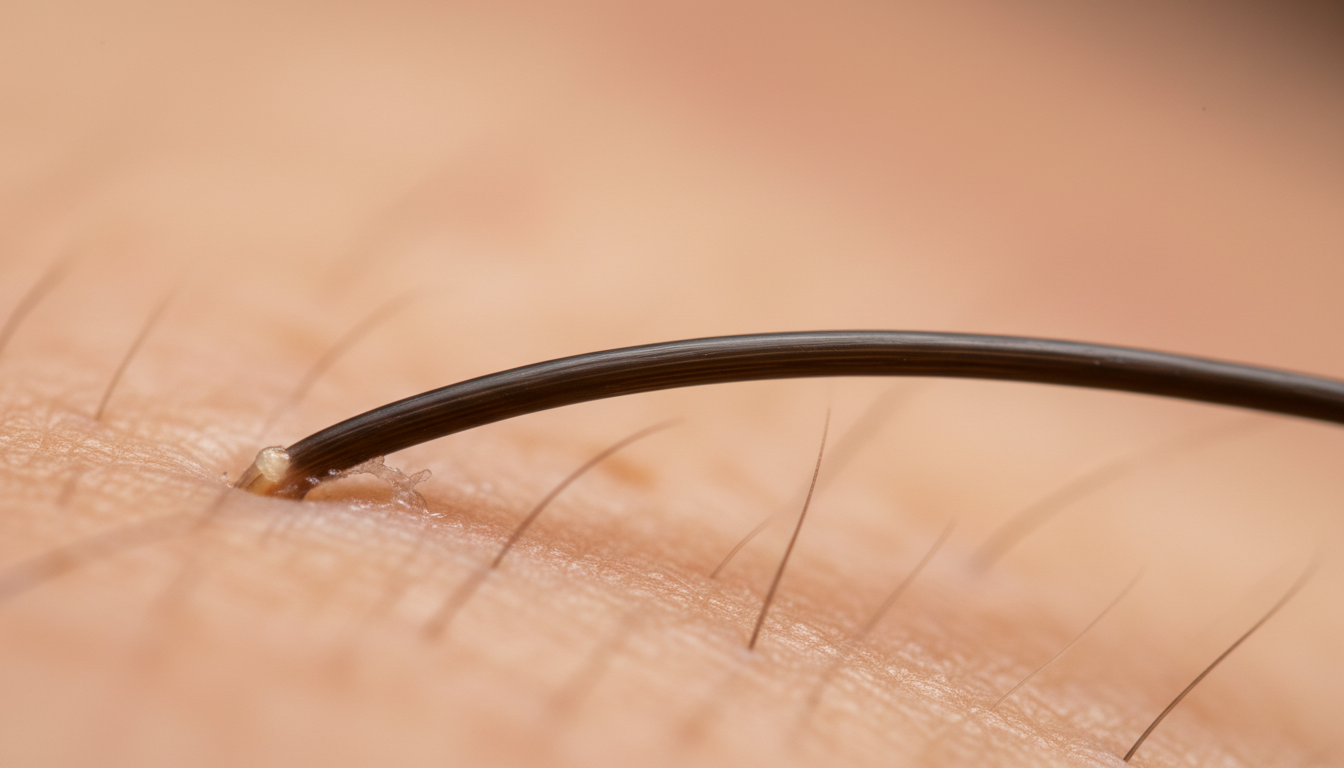
In our experience working with clients, this rate holds true for healthy hair under normal conditions. I've seen women measure it themselves—snip a tiny bit, wait a month, and voila, that consistent growth. But it's not uniform; some months it might feel slower due to seasonal changes or stress. Factors like your overall health play a role, but don't expect miracles overnight.
Think of it like a slow-blooming flower. Patience is key, but understanding this baseline helps set realistic goals. If you're aiming for waist-length hair, knowing the math makes the journey less frustrating. Track it gently, and you'll see progress that adds up.
Why you can't significantly speed this up:
Determined by genetics
Genetics are the boss here—your DNA sets the pace for how fast does hair grow. If your mom or grandma had steady but not super-fast growth, that's likely your blueprint too. Many women come to us hoping for a hack to double it, but biology doesn't bend easily.
Growth phase duration (anagen)
Hair spends most of its time in the anagen phase, the active growth stage, which lasts 2-7 years depending on the follicle. This phase determines your hair's potential length, not speed. Once it shifts to resting or shedding, growth pauses. You can't extend anagen much without messing with hormones, which isn't advisable.
No magic pill or product
We've all seen ads promising turbo-charged growth, but in practice, nothing dramatically alters the rate. Supplements or serums may support the process by nourishing follicles, but they won't turn 1/2 inch into 1 inch monthly. Focus on what you can influence, like keeping strands strong to retain length. Realistic expectations prevent disappointment—growth is a marathon, not a sprint.
What you CAN control:
While the core speed of how fast does hair grow is fixed, you have power over retention and environment. Many women notice their hair looks longer faster when they prioritize these areas—it's about keeping what grows, not forcing more.
Hair retention (preventing breakage)
Breakage is sneaky; it makes growth seem stalled because ends snap off. Gentle care, like using wide-tooth combs and silk pillowcases, helps strands stay intact. In our consultations, clients who reduced breakage saw 20-30% more visible length over months.
Scalp health (optimal growth environment)
A happy scalp means better nutrient delivery. Massage it daily for circulation, and keep it clean without stripping oils. Dry or clogged scalps slow things down indirectly by weakening roots. For more on this, check out our guide on how to create a scalp care routine.
Follicle miniaturization prevention (keep hair thick)
As we age or face stress, follicles can shrink, leading to thinner hair. Consistent care, like balanced nutrition and avoiding tight styles, supports thickness. You can't reverse genetics, but these habits maintain what you have for fuller, longer results.
Factors that affect growth rate:
How fast does hair grow can vary slightly based on personal factors, but none let you double it. Here's what influences that 1/2 inch baseline.
Age (slows slightly with age)
In your 20s and 30s, growth is often at its peak. Post-40, it might dip a tad due to slower cell turnover—many women notice this around perimenopause. But it's subtle, not a halt.
Genetics (biggest factor)
Your family tree dictates the most. If straight Asian hair runs in your genes, it might edge toward the faster end; curly African hair textures often grow at a similar rate but show less length due to shrinkage.
Ethnicity (Asian hair grows fastest, African slowest)
Studies suggest Asian hair averages a bit quicker, around 0.6 inches monthly, while African hair is closer to 0.4 inches—but all hover near 1/2 inch. It's the shaft structure, not magic.
Nutrition (severe deficiency slows)
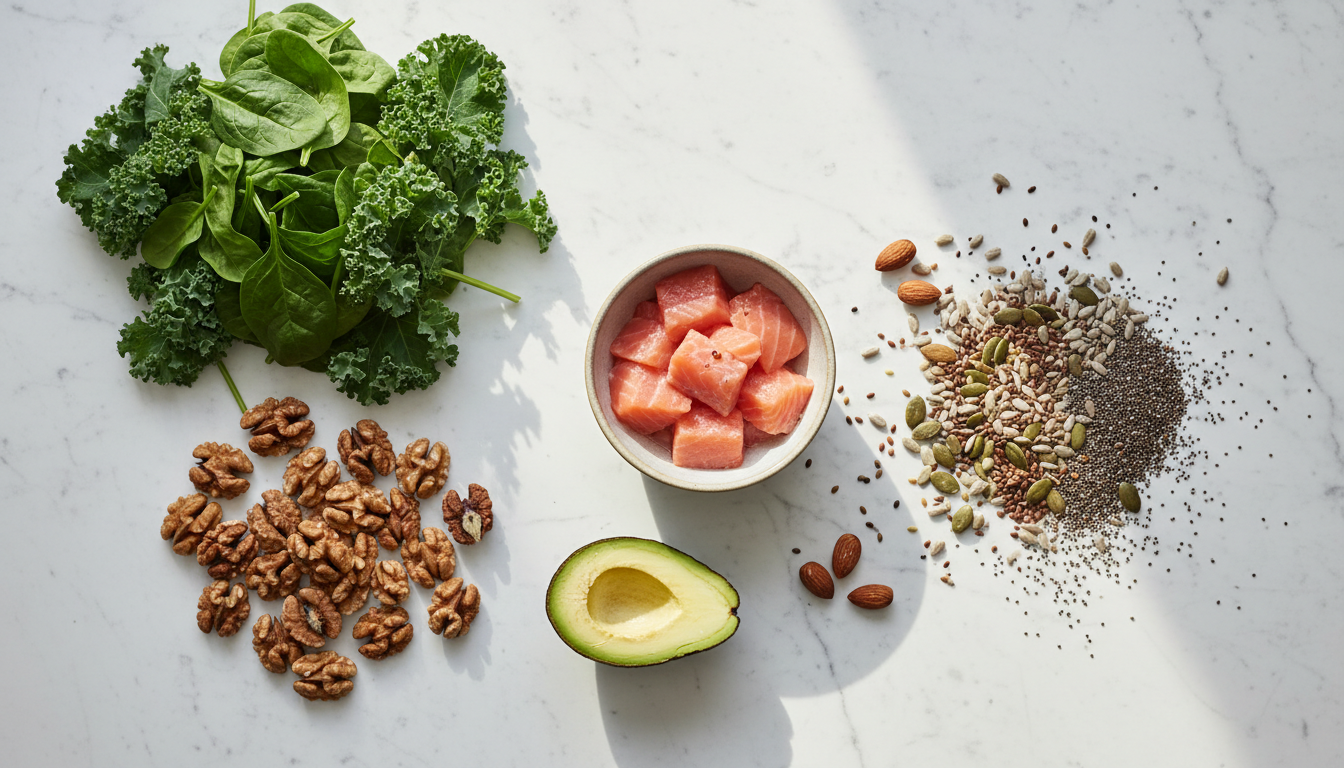
A diet lacking protein, iron, or biotin can slow growth if you're deficient. Most women aren't starving their hair, but adding omega-3s or leafy greens may support steady progress.
Hormones (pregnancy accelerates temporarily)
Pregnancy often boosts growth via hormones, but postpartum shedding evens it out. Thyroid issues or PCOS can disrupt—chat with a doc if growth feels off.
The growth phase (anagen):
Understanding the hair cycle is key to grasping how fast does hair grow. About 85-90% of your strands are in the anagen phase at any time—that's when growth happens, lasting 2-7 years per follicle. This long stretch is why hair can reach great lengths if cared for.
After anagen, hair enters catagen (a short transition, 2-3 weeks) and then telogen (resting, 3 months), where it sheds. Only 10-15 hairs enter telogen daily normally—up to 100 is fine.
The anagen length varies: scalp hair is longest, eyebrows shortest. Genetics set this duration, so blondes or those with fine hair might have shorter cycles. In practice, women with long anagen phases (like many with thick manes) retain length easier.
You can't force longer anagen without risks, but supporting it with scalp massages or nutrient-rich foods keeps follicles active. If shedding spikes, it might signal stress pushing more into telogen—patience and care help balance it.
"Faster growth" vs "longer hair":
This is where myths trip us up. Many products claim to make hair grow faster, but how fast does hair grow from the root? Still 1/2 inch. The real win is appearing longer by cutting loss.
Misconception: Products don't speed growth
Oils or vitamins won't accelerate the follicle's push. We've tested this with clients—roots advance at the same rate, no matter the serum.
Reality: Products prevent breakage = retain length
Here's the game-changer: breakage shortens strands mid-way. A serum that strengthens cuticles or a routine avoiding heat keeps ends whole, so that 1/2 inch accumulates visibly.
Result: Hair gets longer faster
Women focusing on retention often report 'faster' results because less snaps off. One client grew 4 inches in 6 months by ditching daily blow-drying—pure retention magic. Shift your mindset: optimize what you keep for that illusion of speed.
📊 Not Sure What's Causing Your Hair Concerns?
Take our 2-minute Hair Analysis Quiz to get personalized product recommendations based on your unique hair type, scalp condition, and lifestyle.
Start Your Free Hair Analysis →
Preventing breakage (key to length):
Breakage is the thief of length—prevent it to make how fast does hair grow work for you. Many women lose inches yearly without realizing.
Gentle handling
Pat dry with a microfiber towel, not rub. Sleep on silk to reduce friction—simple swaps that save strands.
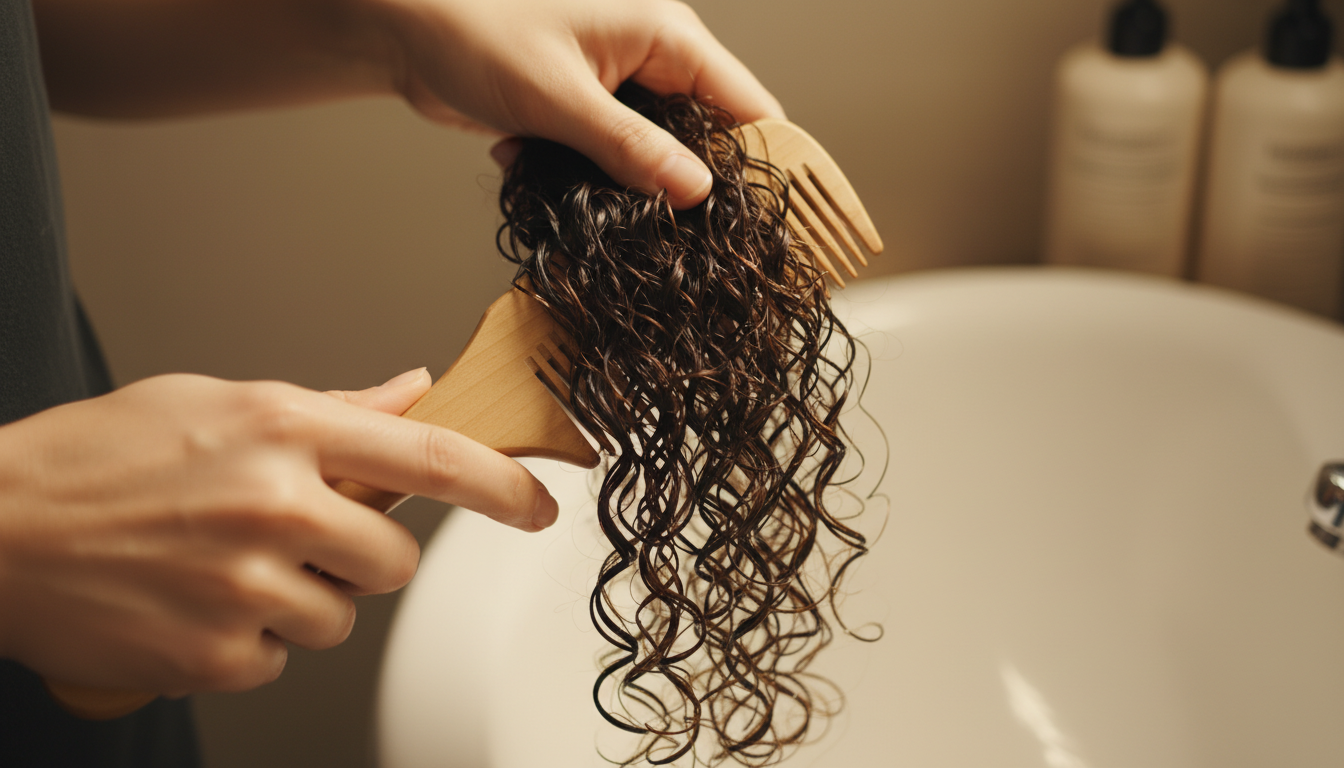
Proper detangling
Start from ends up with a wide-tooth comb, using conditioner. Detangle wet hair gently; dry brushing snaps tips. For detailed tips, see our post on how to detangle hair without breakage.
Minimal heat styling
Air-dry when possible, or use heat protectant below 350°F. Limit tools to 2-3 times weekly—curling irons are culprits for split ends.
Protective hairstyles
Opt for loose braids or buns over tight ponytails. These shield ends while letting growth shine.
Regular trims (removes split ends before they travel up)
Every 8-12 weeks, trim 1/4 inch. It prevents splits from climbing, preserving length. Clients swear by this for healthier, longer hair over time.
Scalp health for optimal growth:
Your scalp is the soil for how fast does hair grow—nurture it for better roots. A neglected scalp leads to weak growth.
Clean, unclogged follicles
Wash 2-3 times weekly with mild shampoo to remove buildup. Exfoliate gently monthly to free follicles—clogs starve roots.

Good blood circulation (massage)
Daily 5-minute massages boost flow, delivering nutrients. Use fingertips in circles; many notice thicker roots after weeks.
Balanced oil production
Avoid over-washing, which dries the scalp and prompts excess oil. Hydrating serums keep balance—dry scalps flake and weaken hair.
In experience, women with routines like this see steadier growth. If itchy or oily, adjust products. A healthy scalp supports that 1/2 inch fully.
Measuring your own growth rate:
Curious about your personal how fast does hair grow? Track it accurately to celebrate wins.
Mark a spot, measure in 2 months
Tie a knot or clip at ends, measure from root to mark monthly. Use a ruler on straight sections—average over time for your rate.
Take consistent photos
Snap monthly in same light, ponytail style. Side-by-side shows progress breakage might hide.
Track ponytail circumference
Measure around your pony tail weekly—thicker means healthier retention, even if length feels slow.
Start now; many women are surprised their rate matches the average. Adjust habits based on data for better results.
Timeline expectations:
Knowing timelines demystifies how fast does hair grow. Here's what to expect:
1 month: 1/2 inch
Subtle—hard to see, but roots advance.
6 months: 3 inches
Noticeable if breakage-free; layers blend.
1 year: 6 inches
Significant—past shoulders for many.
2 years: 12 inches (shoulder to mid-back)
Major milestone; retention shines here.
These assume average care. Factors like texture affect visibility—curly hair 'shrinks' 75%. Set mini-goals, like 3 inches in half a year, to stay motivated.
When growth seems slow (it's usually breakage)
If how fast does hair grow feels sluggish, check for hidden culprits. Often, it's not slower roots—it's loss along the way.
Many women measure ends and think growth stalled, but breakage from heat or tension eats inches. Dry ends split silently, traveling up the shaft.
Signs: Frayed tips, thinning ponytail, or no length gain despite healthy habits. Stress or diet dips can weaken strands too.
Solution: Audit your routine. Switch to protein treatments for strength, trim splits, and protect ends. For more insights, read our article on hair care mistakes that make thinning worse. In weeks, you'll retain more, making growth visible. It's empowering—control what you can for real progress.
Using growth serum to optimize (Grow & Glow creates environment)
Serums can't speed how fast does hair grow, but they optimize conditions for retention and health. Our Medyko Grow & Glow Serum is a favorite—peptides and botanicals nourish follicles without hype.
Apply nightly to scalp and lengths; it strengthens against breakage while balancing oils. Clients report less fallout and thicker feel after a month, letting that 1/2 inch stick.
Focus on environment: clean application ensures absorption. Pair with massage for circulation. It's not magic, but consistent use supports what biology gives you—longer, vibrant hair over time.
Frequently asked questions
How fast does hair grow on average?
Hair grows about 1/2 inch (1.25 cm) per month for most people. This rate is consistent across the scalp but can vary slightly by individual factors like genetics. Track yours for a personal baseline—many women find it matches this average with good care.
Can diet make hair grow faster?
A balanced diet supports steady growth but won't significantly speed the 1/2 inch rate. Focus on protein, iron, and vitamins if deficient—think eggs, spinach, nuts. Severe lacks slow it, but for most, tweaks maintain health without miracles.
Why does my hair grow so slowly?
It might not be slower growth; breakage often mimics it. Check ends for splits and reduce heat/tools. If shedding increases, stress or hormones could play in—gentle care and scalp massages help retain what grows.
Does cutting hair make it grow faster?
No, trimming doesn't affect root growth speed. But removing split ends prevents breakage up the shaft, so you keep more length overall. Aim for every 8-12 weeks to maintain healthy ends and see fuller growth.
How can I measure my hair growth accurately?
Mark a root spot with a clip, measure monthly, or photo your ponytail consistently. Avoid stretching curly hair—use relaxed measurements. Over 2-3 months, you'll see your true rate near 1/2 inch.
Do hair growth serums really work?
They support follicle health and reduce breakage but don't speed the growth rate. Products like serums can create a better environment for retention, leading to longer hair faster. Use consistently for best results.
What slows down hair growth the most?
Genetics set the pace, but poor nutrition, stress, or scalp issues indirectly slow visible progress via weakening. Hormonal shifts like postpartum can too. Address with balanced habits—most see improvement in retention.
Is hair growth different by hair type?
All types grow ~1/2 inch monthly from the root, but curly or coily hair appears shorter due to shrinkage. Focus on moisture for textures to minimize breakage and maximize length retention.
How long until I see longer hair?
Expect 3 inches in 6 months with good retention. Year one brings 6 inches—patience pays. Protective styles and trims help you get there without losing ground to damage.
Can stress affect how fast hair grows?
Stress pushes more hairs into resting phase, increasing shedding and making growth seem slower. It doesn't change the rate but affects retention. Relax with yoga or walks—many notice steadier length after.
Key takeaways
- Hair grows about 1/2 inch per month—focus on retaining it rather than speeding it up.
- Prevent breakage with gentle detangling, minimal heat, and regular trims to keep every inch.
- Massage your scalp daily for better circulation and a healthier growth environment.
- Track your progress with measurements and photos to stay motivated and adjust habits.
- Support nutrition with protein and iron-rich foods if needed, but expect subtle support.
- Use a nourishing serum like Grow & Glow to strengthen strands and reduce fallout.
- Set realistic timelines: 6 inches in a year is achievable with consistent care.