
Hair-Healthy Habits to Start Today (10 Easy Changes) · Medyko Team

Hair-Healthy Habits to Start Today (10 Easy Changes)
Tired of hair struggles that won't quit?
Picture this: you make 10 small changes today, and in 90 days, your hair looks a lot healthier. As someone who loves hair care and talks to tons of women dealing with thinning, breakage, or dullness, I know how frustrating those quick fixes can feel. The upside is, you don't need expensive products or complicated routines. It's all about steady healthy hair habits that work with your everyday life. In this post, we'll look at why habits matter more than trends and go over 10 steps you can try starting tonight. They're not magic, but plenty of women end up with thicker, stronger hair after sticking with them. Want to set up your hair for success?
Why habits beat products (consistency > intensity)
Hair care shelves are full of serums, shampoos, and tools that promise fast results. From what I've heard from women who've tried everything, though, the big difference comes from what you do every day, not the newest gadget. Products can help your hair, of course, but if you don't use them regularly, they just sit there.
Your hair grows about half an inch each month, and that depends on your scalp, what you eat, and how you care for it. One big treatment might feel nice, but doing it now and then doesn't make hair stronger for good. Healthy hair habits set up a reliable space for growth. A lot of women I know began with easy switches, like getting better rest for their hair, and saw less breakage in a few weeks.
The best part is these habits don't take much work, and they add up. Begin with little steps, keep at it, and your hair will show it. You don't have to get everything right; even doing some of them helps. If stress or outside factors are causing issues, habits like these speed up getting back on track better than any one product. Let's check out 10 simple ones to get started.
Habit #1: Silk pillowcase tonight
Do you ever wake up with messy hair? Cotton pillowcases pull on your strands all night and cause breakage. Switching to silk is one of the easiest healthy hair habits to pick up right now. For more tips on protecting your hair during sleep, check out our guide on how to protect hair at night.
Action: Go online or to a shop and get a silk pillowcase, maybe even for tonight. Put it on your bed so your hair can relax.
Why it helps: Silk cuts friction by up to 43% compared to cotton, which means fewer tangles and split ends. Women usually see less frizz in the morning and better ends after a week. It's perfect if you move around a lot in your sleep.
Cost: €20-40 for a good one, and it lasts for years.
This habit goes well with loose braids for more protection. You won't wake up to broken hairs anymore; your hair stays smoother. If your hair gets dry, silk keeps in the moisture too. Try it tonight, and you'll notice by morning, it's that simple.
Habit #2: Daily scalp massage (5 minutes)
Your scalp acts like soil for your hair: ignore it, and growth slows down. A short daily massage gets blood moving, which keeps follicles healthy and active. Curious if this really works? Dive into our detailed post on scalp massage for hair growth.
Action: In the shower or before bed, use your fingers to rub your scalp in circles for 5 minutes. You don't need anything special, just steady pressure.
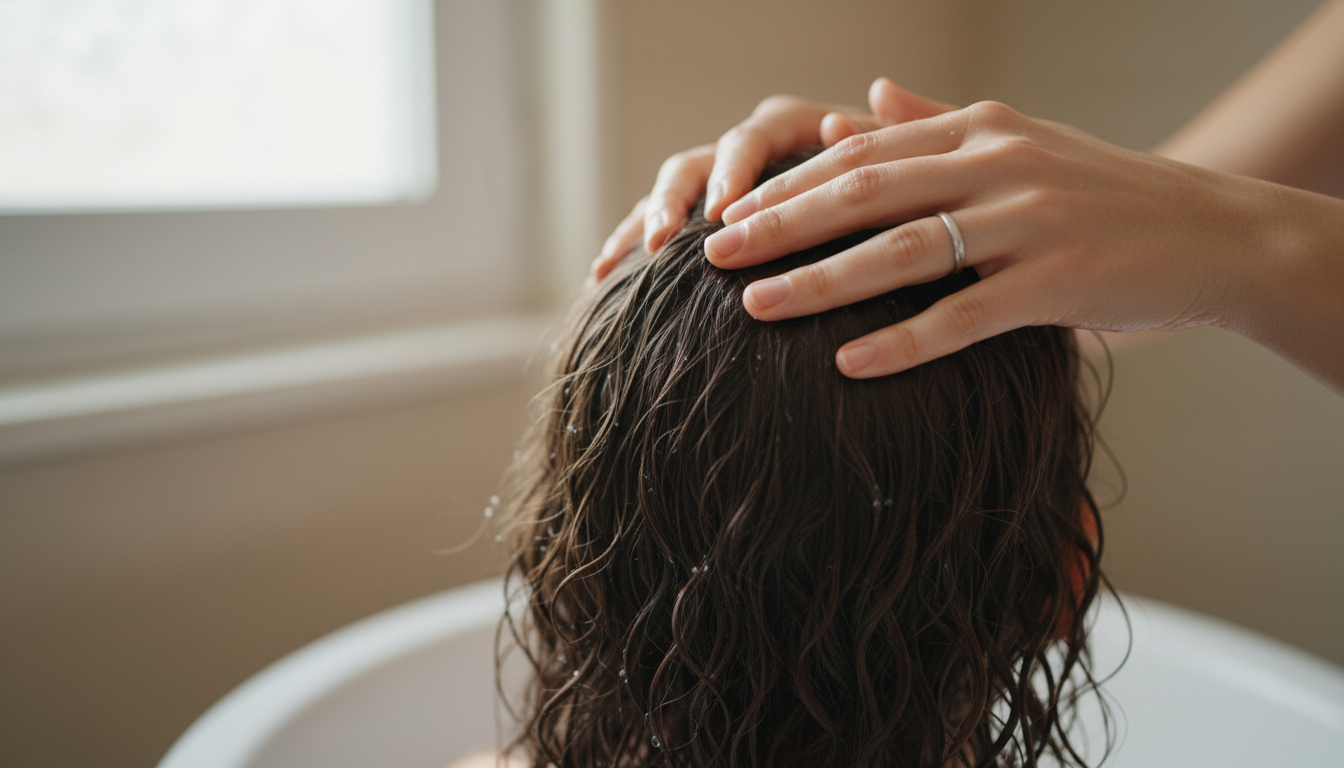
Why it helps: It boosts blood flow so nutrients reach the roots. Lots of women say their hair feels thicker after a month because it clears buildup and wakes up sleepy follicles. It's free and feels good, like a quick spa break.
Cost: Free!
I've found that doing it in the shower with some conditioner makes it easy. Pay attention to the top and sides where tension sits. If your scalp gets oily, try it dry at night. This habit keeps your scalp in good shape, which matters if stress or getting older is slowing things down. Try it out; your hair gets a bit stronger bit by bit.
Habit #3: Weekly deep conditioning
Got dry, brittle hair? Deep conditioning once a week brings back moisture and fixes everyday damage, so your strands hold up better.
Action: Make Sunday night your time: put deep conditioner from mid-lengths to ends, cover with a shower cap, and leave it for 20-30 minutes (or overnight if you need more repair). Rinse with cool water.
Why it helps: It gets into the hair shaft, makes bonds stronger, and cuts down on breakage. Women tell me it turns rough hair soft and smooth, which helps growth by stopping breaks.
Cost: €10-20 for a solid mask, and you don't use much each time.
Make it enjoyable: play your favorite music. Go for ones with natural oils like argan if you avoid chemicals. Colored or treated hair needs this because damage builds up quick. It adds protection over time, so styling doesn't hurt as much. Begin this week; a few times in, and you might see more bounce.
Habit #4: Reduce heat styling frequency
Heat tools make life easy, but they dry out hair and make it weak eventually. Dialing them back lets your natural look come through and keeps strength.
Action: Let your hair air-dry at least twice a week. On other days, go low heat or use a protectant if you have to style.
Why it helps: Too much heat takes away moisture and proteins, which causes breakage. Cutting back means less hair falls out and you keep more length, since what grows stays.
Cost: Free (and you save time skipping the blow-dryer).
Wrap wet hair in a microfiber towel to dry faster without frizz. Try styles like twists or buns that don't need heat. If you love straighteners, this eases you off slowly. In practice, it leads to healthier tips and simpler mornings. Your hair bounces back fast once heat isn't the main thing.
Habit #5: Eat protein at every meal
Hair is made mostly of protein called keratin, so not enough means weaker hair. Adding it to meals every day helps growth from within. For specific ideas on what to eat, explore our list of the best foods for hair growth.
Action: Put protein in each meal, like eggs at breakfast, fish or chicken at lunch, and lentils at dinner. Shoot for 20-30g per meal.
Why it helps: Protein gives the pieces hair needs to build itself. Women who add more often see less thinning and shinier hair, especially if their diet missed it before.
Cost: Not much if you shop smart, beans and eggs are cheap.
Mix it up: Greek yogurt in smoothies or nut butter on toast. If you're vegetarian, tofu and quinoa do the trick. Keep track for a week to feel how satisfied you get. This ties into feeling good overall, helping nails and energy too. You don't need to be perfect; regular portions build stronger hair in months.
📊 Not Sure What's Causing Your Hair Concerns?
Take our 2-minute Hair Analysis Quiz to get personalized product recommendations based on your unique hair type, scalp condition, and lifestyle.
Start Your Free Hair Analysis →
Habit #6: Drink more water (hydration)
When you're dehydrated, it hits your scalp and hair first, making them dry and breakable. Drinking more keeps things moist for better condition.
Action: Go for 2 liters a day, carry a reusable bottle and take sips all day. Add lemon if plain water gets boring.
Why it helps: Water clears out junk and helps nutrients get to follicles. People say their hair feels softer and breaks less after staying hydrated.
Cost: Free from the tap!
Use reminders or drink with meals. If coffee dries you, add extra water. This makes other habits better, like massages, by keeping the scalp damp. Women in dry areas love it for fighting weather effects. Track what you drink today; things like fewer flyaways show up quick.
Habit #7: Trim every 8-12 weeks
Split ends don't fix themselves by growing out, they just climb higher and weaken hair. Trims on a schedule keep it sound and growing.
Action: Book salon appointments every 8-12 weeks for a quarter-inch cut. Check ends at home each month.
Why it helps: Cutting off bad tips stops more breakage, so you can grow length. People often feel like their hair grows faster because less breaks off.
Cost: €30-50 each time, but it helps you keep what you have.
Ask for light trims to lose as little as possible. Use silk in between to guard ends. This shifts your thinking from just length to real quality. If money's short, pick up safe home methods. It sets up a loop of getting stronger, so styling is simpler and less falls out.
Habit #8: Use hair growth serum consistently
A good topical can back up what you do. Applying serum regularly feeds follicles.
Action: Each night, part your hair and put a pea-sized drop of serum like Medyko's Grow & Glow on the scalp. Rub it in softly.
Why it helps: Things like peptides help follicles and cut shedding. Using it steady often brings thicker hair in 3 months, with lots of women seeing new baby hairs.
Cost: You pay for the product, but a bottle goes 1-2 months.
The Grow & Glow Serum mixes gentle, tested ingredients that apply easy without grease. Use it with a massage to soak in better. This connects inside and outside care. If mornings rush by, nights work fine. Keep going; changes come slow but pay off if you wait.
Habit #9: Manage stress
Stress messes with the hair growth cycle and puts follicles to sleep. Getting it under control keeps growth even.
Action: Spend 10 minutes a day on meditation, a walk, or deep breaths. Apps help if you're new.
Why it helps: It lowers cortisol so growth keeps going. Women who add this see less shedding when life gets hard.
Cost: Free.
Do it after your evening massage to relax. Write down worries to let them go. If work stresses you, quick breaks help. This lifts your mood and makes hair tougher. Feeling calmer means better sleep, which adds more good. Begin with little bits; even 5 minutes works over time.
Habit #10: Track progress with photos
It's hard to stay motivated without seeing changes. Photos show what's happening and keep you going.
Action: Each month, take pictures from the same spots in natural light, front, side, back. Jot down what you notice.
Why it helps: Pictures catch small wins like less thinning or more shine. They keep you at it, since day-to-day stuff is easy to miss.
Cost: Free with your phone.
Pick a plain spot for clear shots. Look back at 3 months to see the whole thing. This makes care feel like a path. Tell a friend to check in with you. Spotting growth makes you want to keep up the other habits.
Building sustainable habits
Now you have 10 healthy hair habits, but don't jump into all of them right away. Trying too much leads to giving up. Pick 2-3 that feel right, maybe silk pillowcase and drinking water, then add more.
Start small: Make them part of what you already do, not perfect every time. Link them up, like massaging while you watch shows or adding protein to breakfast.
30-day challenge: Stick to your choices for a month. Note how your hair and mood feel. Tweak if something doesn't fit; keeping it going matters more than pushing hard.
Women I've talked to get the best from this slow way, it turns into changes that last. If you miss one, just pick it back up, no big deal. In 90 days, they add up to lively hair. Add Grow & Glow if you want more help, but sticking with it is what counts most.
Frequently Asked Questions
How long until I see results from these healthy hair habits?
Most women spot small shifts like less breakage in 4-6 weeks, and fuller hair by 3 months. Sticking with it beats rushing; use photos to keep going. If nothing changes after 90 days, talk to a doctor about other causes.
Can these habits reverse hair thinning?
They help a lot by keeping the scalp healthy and cutting damage, though it depends on you. Massage and protein make current hair stronger and encourage growth. For bad thinning, add a serum and check with a skin doctor.
What's the easiest healthy hair habit to start with?
The silk pillowcase, since it just happens while you sleep. Get one today, and tomorrow your hair feels smoother. No work needed every day, but it reduces pulling a ton.
Do I need expensive products for these habits?
No way! A lot are free or cheap, like drinking water or massages. For conditioner or serum, budget picks do fine if you use them regular. Put habits first; products just add to them.
How does stress really affect my hair?
It can cause telogen effluvium, where hair falls out too soon. Walks or meditation balance hormones and keep growth on track. Shedding often slows in weeks after you ease stress.
Is protein intake crucial if I eat a balanced diet?
If your meals have it already, you're set! Hair needs a steady flow, so mix in eggs, nuts, and fish. Shortages don't happen much but can soften hair; adjust if you think so.
What if I can't air-dry my hair often?
Begin with 1-2 days a week and protect with spray on others. Lower heat works too. This cuts damage over time; try natural looks for options and better health.
How do I know if a habit is working for my hair type?
Watch for less fallout, more shine, or easier brushing. Fit it to your hair, curly might need extra conditioning, straight less. Make it yours and wait 30 days.
Can these habits help with postpartum hair loss?
Yes, they aid getting better by feeding from inside and out. Hydration, protein, and less stress help most. Moms often see new growth steady in 3-6 months if they keep at it.
Should I combine these with Medyko serum?
Sure, it works great with massage to sink in deeper. Put it on at night for direct help. Women mix it with 2-3 habits and get better results without too much.
Key takeaways
- Pick 2-3 habits to begin, like silk pillowcase and daily water, for wins that last.
- Consistency over intensity: Little daily steps add up to healthier hair.
- Boost internal health with protein and stress management for stronger strands.
- Track monthly photos to visualize progress and stay motivated.
- Incorporate a serum like Grow & Glow for extra follicle support.
- Trim regularly to prevent damage from spreading up the shaft.
- Habit stack: Pair new routines with existing ones, like massage during TV time.