Hair Care Mistakes That Make Thinning Worse · Medyko Team

10 hair care mistakes that make thin hair worse

These 10 daily mistakes are making your thin hair worse - and you don't even know it
Hey there, if you've been noticing your hair looking a bit flatter or thinner than you'd like, you're not alone. Many women with thin hair tell me they feel like they're doing everything right, but those strands just won't cooperate. The truth is, it's often the little, everyday hair care mistakes thin hair owners make that add up over time. They speed up thinning and make your hair look even sparser. With thin hair, you have less to work with, so these slip-ups hit harder. But don't worry. I'm here to walk you through the top 10 culprits specific to thin or thinning hair, plus easy, actionable ways to fix them. By tweaking a few habits, you can support healthier growth and get that fuller look you've been chasing. Let's dive in and get your routine on track.
Why mistakes matter more with thin hair (less to spare)
When it comes to thin hair, every strand counts. It's like you have a smaller team working for you, so any damage or stress shows up fast. I've seen so many women with fine or thinning hair struggle because they treat it like thick, resilient locks. But here's the thing: thin hair is more fragile, with weaker follicles that can't bounce back as easily from rough handling or product overload.
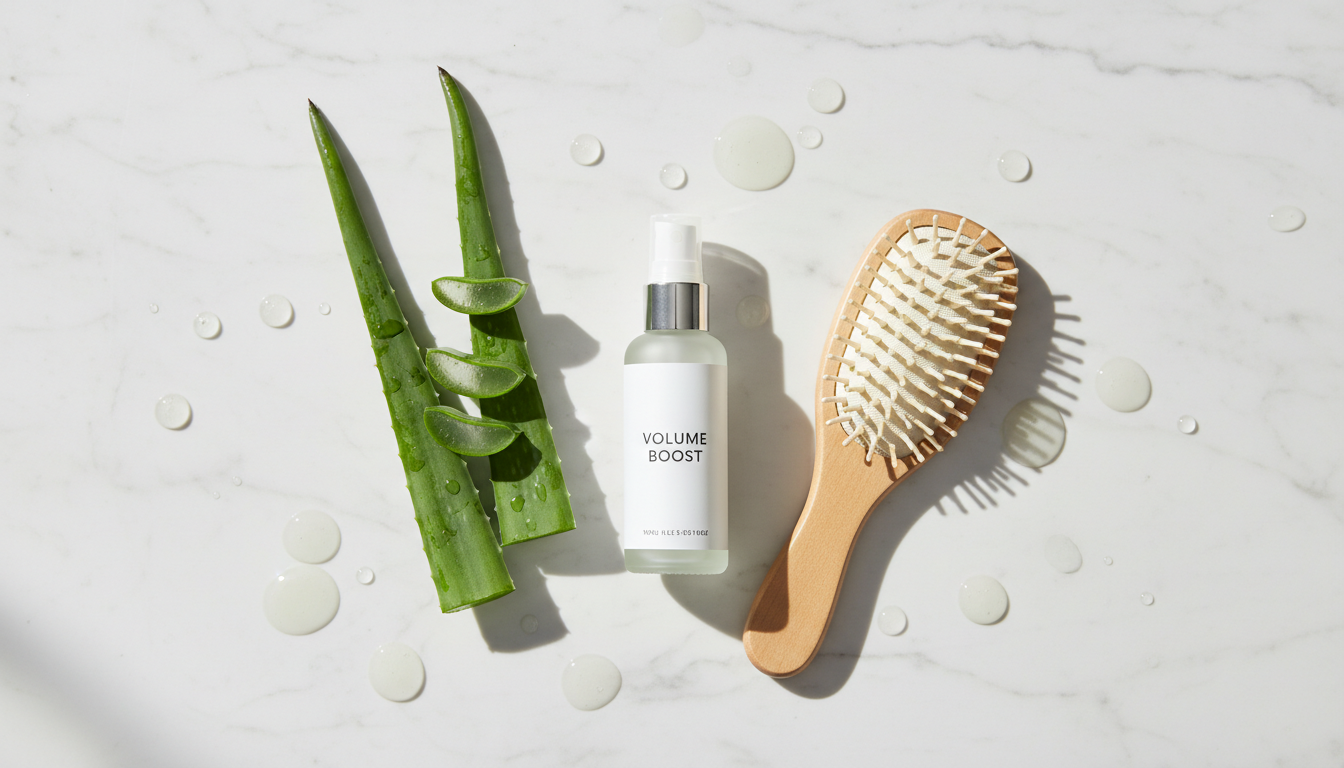
Small mistakes, like using heavy products or skipping scalp care, add up over weeks and months. They weaken roots, cause breakage, and even speed up shedding, making thinning worse. In my experience chatting with clients, those who ignore these details often see their part widen or hair look limp faster than they expect. The good news is spotting and fixing them early can make a big difference in supporting volume and strength. It's not about perfection, but about gentle, consistent care that works with your hair type, not against it. Think of it as protecting what you've got while encouraging better growth. Realistic steps that fit into your busy day.
Mistake #1: Using products for thick hair
One of the biggest hair care mistakes thin hair makes is grabbing products meant for thick, coarse strands. Those heavy oils, rich creams, and thick conditioners might tame frizz on lush manes, but on thin hair, they just weigh everything down, making it look flat and lifeless.
Many women notice this after trying a new 'moisturizing' line. They love the shine at first, but soon their hair clings to the scalp, showing more skin than before. The issue is that thin hair needs lift, not load. Look for labels like 'volumizing,' 'lightweight,' or 'fine hair formula' instead. These use lighter ingredients that coat without smothering.
In practice, swap out that heavy argan oil serum for a water-based one, and you'll see roots perk up. It's a simple switch that prevents that greasy, weighed-down feel, helping your thin hair appear fuller right away. Over time, this alone can reduce the appearance of thinning by keeping strands bouncy and separated.
Mistake #2: Washing too much or too little
Getting the washing frequency wrong is a classic hair care mistake for thin hair. Too often, and you strip away natural oils that protect and plump those fine strands. Too rarely, and buildup from dirt, sweat, or products weighs everything down, making it look greasy and thin.
I've heard from so many women who wash daily out of habit, only to find their hair drying out and breaking more. On the flip side, skipping washes leads to that flat, oily root situation where thin hair hides under grime. The sweet spot? For most with thin hair, every 2-3 days works best, depending on your lifestyle and oiliness. For more guidance on finding the right balance, check out our post on how often to wash hair.
To find yours, observe how your scalp feels. Oily roots mean more frequent gentle cleanses with a clarifying shampoo once a week. Use lukewarm water to avoid further stripping. This balance keeps your scalp healthy, which supports stronger hair growth without the extremes that make thinning worse. Many see less fallout just from dialing this in.
Mistake #3: Rough towel-drying
Rubbing your hair vigorously with a regular towel after washing? That's a sneaky hair care mistake thin hair can't afford. Wet strands are super stretchy and prone to breakage, and that rough friction causes split ends, frizz, and snaps that make thin hair look even sparser.
Picture this: many women do it absentmindedly in the shower, then wonder why their ends are frayed. Thin hair, being finer, tangles easily when wet, so rubbing just pulls and damages more.
Switch to gently squeezing excess water out with your hands, then wrap in a soft t-shirt or microfiber towel for 10-15 minutes. Pat dry the roots lightly to encourage lift. This method cuts down on breakage big time. I've seen clients report less shedding after just a week. It's a low-effort change that preserves your hair's length and volume, countering thinning without any fancy tools.
Mistake #4: Brushing wet hair (wrong brush)
Brushing wet hair with a regular paddle or fine-tooth brush is one of those hair care mistakes thin hair makes that leads to unnecessary breakage. When soaked, hair is at its weakest, stretching up to 30% longer, and aggressive brushing yanks out strands or snaps them mid-shaft.
Women often reach for their everyday brush post-shower, thinking it'll detangle faster, but it just causes fallout, especially on thin hair where every loss shows.
Opt for a wide-tooth comb or a detangling wet brush, starting from the ends and working up slowly. Do this in sections to avoid pulling. Air-dry as much as possible before brushing. This gentle approach minimizes damage, keeping more hair on your head and reducing that thinned-out look. Over time, it helps maintain length, which adds to the illusion of fullness. For more tips on choosing the right tools, see our guide on how to choose the right hair brush for your hair type.
Mistake #5: Too much heat styling
Relying on flat irons, curling wands, or blow-dryers every day is a major hair care mistake for thin hair. It builds up damage from heat, drying out strands and making them brittle, which worsens thinning over time.
Many with thin hair crave volume, so they heat-style daily, but without protection, it scorches the cuticle, leading to breakage that exposes more scalp.
Aim to air-dry when you can, especially overnight on a pillowcase that doesn't snag. When styling, always use a heat protectant spray first, and keep tools below 350°F. Limit to 2-3 times a week. This preserves moisture and strength, helping thin hair stay resilient. Clients who've cut back often notice less shedding and more natural bounce.
📊 Not Sure What's Causing Your Hair Concerns?
Take our 2-minute Hair Analysis Quiz to get personalized product recommendations based on your unique hair type, scalp condition, and lifestyle.
Start Your Free Hair Analysis →
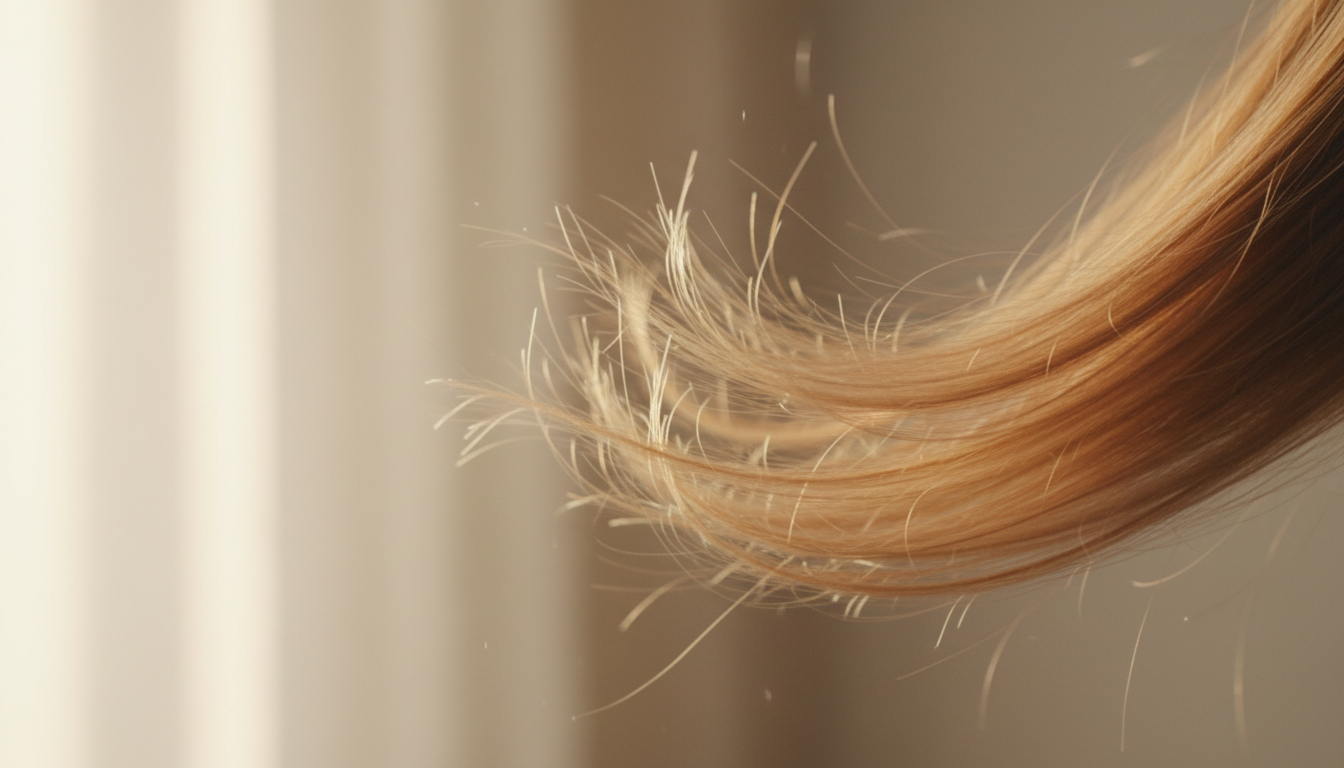
Mistake #6: Tight hairstyles every day
Pulling thin hair into tight ponytails or buns daily causes traction alopecia, a hair care mistake that stresses follicles along the hairline and crown, leading to breakage and permanent thinning if ignored.
It's tempting for that sleek look, but constant tension pulls roots, especially on fine hair that's less anchored.
Vary your styles: go loose braids, half-up dos, or let it down more often. Use soft scrunchies instead of elastics. If tying up, position low and loose. This reduces pull, allowing follicles to recover and grow stronger. Many women find their edges fill in after easing up on tension. It's a game-changer for preventing worse thinning.
Mistake #7: Skipping scalp care
Focusing only on the lengths and ignoring your scalp is an overlooked hair care mistake thin hair makes. The scalp is where growth happens, and neglect leads to clogged follicles, poor circulation, and faster thinning.
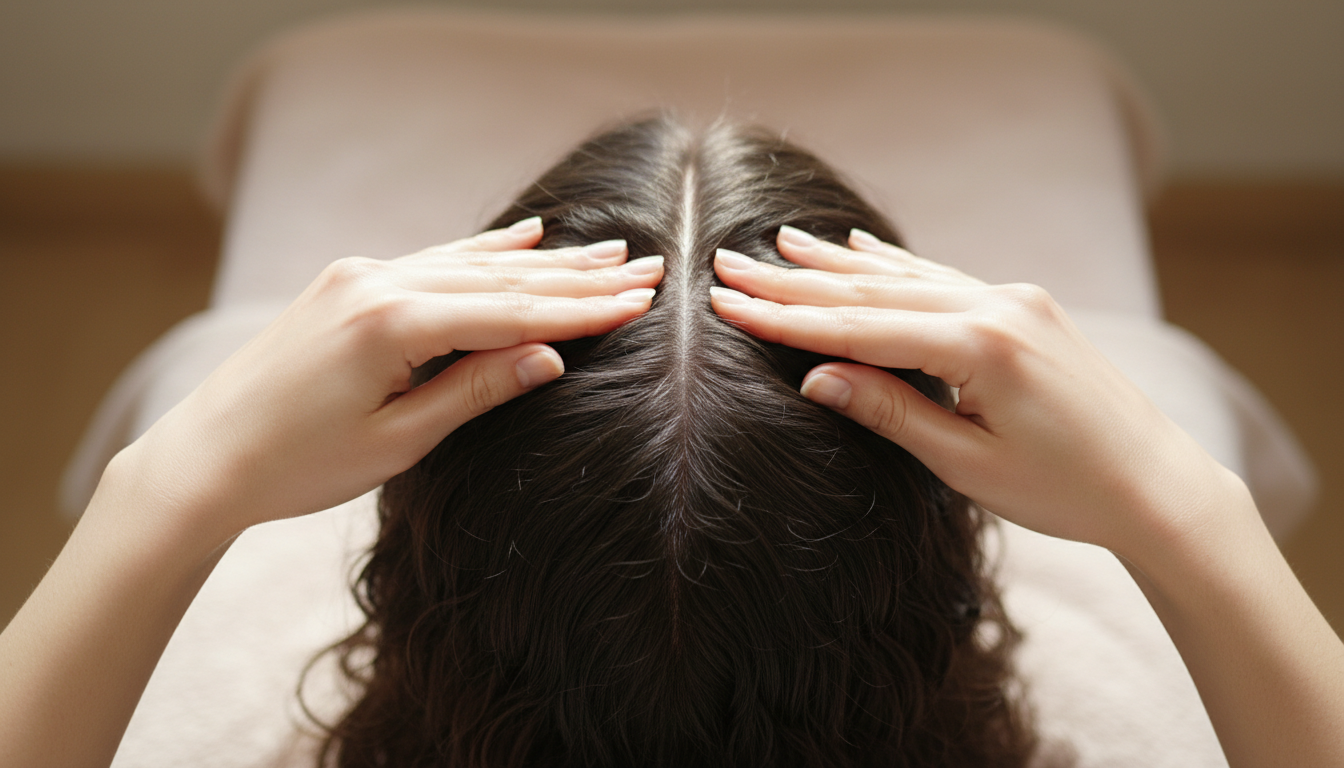
Women often massage conditioner in but skip the roots, letting buildup hinder new hair.
Incorporate weekly scalp massages with fingertips or a gua sha tool for 5 minutes to boost blood flow. Use a gentle exfoliating scrub once a month. A healthy scalp supports thicker strands emerging. For a deeper dive into this essential step, check out our guide on how to create a scalp care routine. Products like our Medyko Grow & Glow Serum can help here, with lightweight peptides that nourish without weighing down. This habit alone often leads to noticeable improvements in density.
Mistake #8: Heavy products at roots
Applying oils, serums, or conditioner directly to the roots flattens thin hair fast, a common hair care mistake that turns volume into grease and makes thinning obvious.
It's easy to slather everything from scalp to tips, but heavy stuff clogs pores and weighs down fine strands.
Keep roots product-free or use just a spritz of lightweight mist. Apply conditioners and oils mid-length to ends only. This lifts the roots for better fullness. In my experience, this tweak makes thin hair look instantly thicker and stays fresh longer between washes.
Mistake #9: Wrong haircut/color
Sticking with one-length long styles or solid dark colors highlights thin hair's flaws, another hair care mistake that makes scalp show through more.
Long, blunt cuts drag down, and uniform shades lack dimension, emphasizing sparseness.
Ask for strategic layers to add movement and volume. Go for highlights or balayage for depth that camouflages thinning. Lighter shades around the face can soften the look. A good stylist tailors to thin hair, and many women swear by how it transforms their confidence without changing much else.
Mistake #10: Inconsistent routine
Starting a routine with serums or treatments but using them sporadically is the ultimate hair care mistake for thin hair. No consistency means no real support for growth, leading to frustration and worsening thinning.
Life gets busy, so products sit unused, and results fizzle.
Commit to daily or every-other-day use, like applying a growth serum after washing. Track progress weekly. Consistency builds habits that strengthen follicles over time. Pairing this with avoiding other mistakes amplifies benefits. Think fuller roots without miracles.
How to fix each mistake (action steps)
Now that we've covered the mistakes, let's get practical with fixes tailored for thin hair. These steps are straightforward, building on what we've discussed to reverse damage and support healthier strands.
Fix #1: Audit your products. Toss heavy ones and stock up on volumizing shampoos and lightweight leave-ins. Apply sparingly for lift.
Fix #2: Experiment with wash days. Start at every other day and adjust based on greasiness. Always follow with a cool rinse.
Fix #3: Ditch the towel rub. Use an old t-shirt to blot instead. Add a silk pillowcase for overnight drying to cut friction.
Fix #4: Invest in a wide-tooth comb. Detangle in the shower gently, no rushing.
Fix #5: Set a heat limit. Use protectant every time, and embrace no-heat days with braids for texture.
Fix #6: Rotate styles weekly. Try loose waves or accessories to avoid tension spots.
Fix #7: Add 2-minute daily scalp massages. Incorporate a peptide serum like Medyko Grow & Glow for nourished roots.
Fix #8: Section hair before applying products. Roots get nothing heavy, ends get the love.
Fix #9: Book a consult for layers and subtle color. Maintain with touch-ups every 6-8 weeks.
Fix #10: Set reminders for your routine. Combine with a journal to note changes. Stick for at least 3 months.
These aren't overhauls, just tweaks that compound positively, much like the mistakes did negatively. Start with 2-3, and build from there for sustainable, fuller-looking thin hair.
Frequently asked questions
Why does thin hair seem to thin faster than thick hair?
Thin hair starts with fewer, finer strands, so any damage or loss is more noticeable right away. Mistakes like heat or tension hit harder because there's less resilience. Focusing on gentle care helps preserve what you have and supports regrowth over time.
Can changing my products really help with thinning?
Absolutely. Switching to lightweight, volumizing options prevents weighing down and buildup. Many women see immediate lift and less greasiness, which makes thin hair look fuller. Look for formulas without sulfates for gentle cleansing that doesn't strip oils.
How often should I wash thin hair to avoid mistakes?
Every 2-3 days is ideal for most, balancing oil without over-drying. If your scalp gets oily quicker, use dry shampoo on off days. This keeps roots healthy and strands strong, reducing breakage that worsens thinning.
Is air-drying better for thin hair than blow-drying?
Yes, air-drying cuts heat damage, preserving elasticity in fragile strands. If you must blow-dry, use low heat and a diffuser for volume. This simple shift can minimize split ends and keep thin hair looking thicker longer.
What if I've been doing tight hairstyles for years, can I fix the damage?
Loosening up now can stop further traction and let follicles recover. Give it 3-6 months of varied, gentle styles, and you might see edges improve. Massage the area daily to boost circulation for better results.
How does scalp care affect thin hair thinning?
A neglected scalp clogs and starves follicles, speeding thinning. Regular massages and light exfoliation improve blood flow, supporting stronger growth. It's like tending the soil for healthier plants, essential for thin hair.
Should I avoid all oils with thin hair?
Not all. Skip heavy ones at roots, but light oils on ends can prevent dryness. Choose argan or jojoba in mist form for hydration without flatness. This keeps thin hair soft and breakage-free.
What's the best haircut for disguising thin hair?
Layers add movement and volume, while a side part hides the scalp. Avoid blunt cuts that weigh down. Consult a stylist experienced with fine hair for a cut that frames your face and boosts fullness.
How long does it take to see results from fixing these mistakes?
You might notice less breakage in weeks, but fuller growth takes 2-3 months of consistency. Track with photos. Small changes add up, especially when avoiding what harms thin hair most.
Can a growth serum help alongside these fixes?
Yes, something like Medyko Grow & Glow Serum with peptides can nourish follicles without heaviness. Use it consistently after washing for added support, but pair with these habits for the best outcome on thin hair.
Key takeaways
- Switch to lightweight, volumizing products to avoid weighing down thin hair and promote lift.
- Wash every 2-3 days to balance oils and prevent stripping or buildup that worsens thinning.
- Gently blot wet hair with a microfiber towel or t-shirt instead of rubbing to reduce breakage.
- Use wide-tooth combs on wet hair and limit heat styling to protect fragile strands.
- Vary hairstyles to loose options and massage your scalp daily for better circulation.
- Apply heavy products only to ends, not roots, and opt for layered cuts with dimension.
- Stay consistent with your routine. Small daily tweaks compound to support stronger, fuller thin hair.